Quality Control for Custom Retail Display Manufacturing
Quality control starts before final inspection. Approved specifications, reference samples and defined checkpoints help keep custom production aligned with what the buyer approved.
From dimensions and visible surfaces to graphics, assembly and lighting, inspection priorities are defined around the actual risks of each display project.
“Looks Good” Is Not a Production Standard.
Custom displays can combine acrylic, graphics, lighting, hardware and multiple fabricated components. Quality becomes easier to control when the important requirements are defined before repeat production begins.
Depending on the project, those requirements may include dimensions, materials, color, visible surfaces, graphics, assembly, lighting and packing conditions.
The purpose of quality control is not simply to find defects at the end. It is to reduce ambiguity between what was approved and what is being produced.
What Is Production Checked Against?
Custom products need a defined reference. The exact control documents vary by project, but the production and inspection teams need to know what defines an acceptable result.
Defines critical dimensions, materials, construction details and other agreed requirements.
Provides a physical production reference when an approved prototype or pre-production sample is applicable.
Supports appearance-sensitive requirements for acrylic, graphics, surface finishes and other components.
Defines the agreed protection and packing condition required before finished products are released for shipment.
Quality Checks at the Points That Matter
Inspection requirements depend on the product, but custom manufacturing benefits from control before production, at production start, during the run and before packing.
Incoming Material Review
Relevant materials and components are reviewed against project requirements before they enter the production flow.
Before ProductionFirst Article Verification
For suitable projects, the first production output is reviewed against critical requirements before the same setup continues across the batch.
Production StartIn-Process Inspection
Relevant dimensions, appearance, fabrication and assembly details are checked during production rather than waiting until the full order is finished.
During ProductionFinal Inspection
Finished products are reviewed against applicable project requirements before they are released into the agreed packing process.
Before PackingQuality Control Is Visible on the Production Floor.
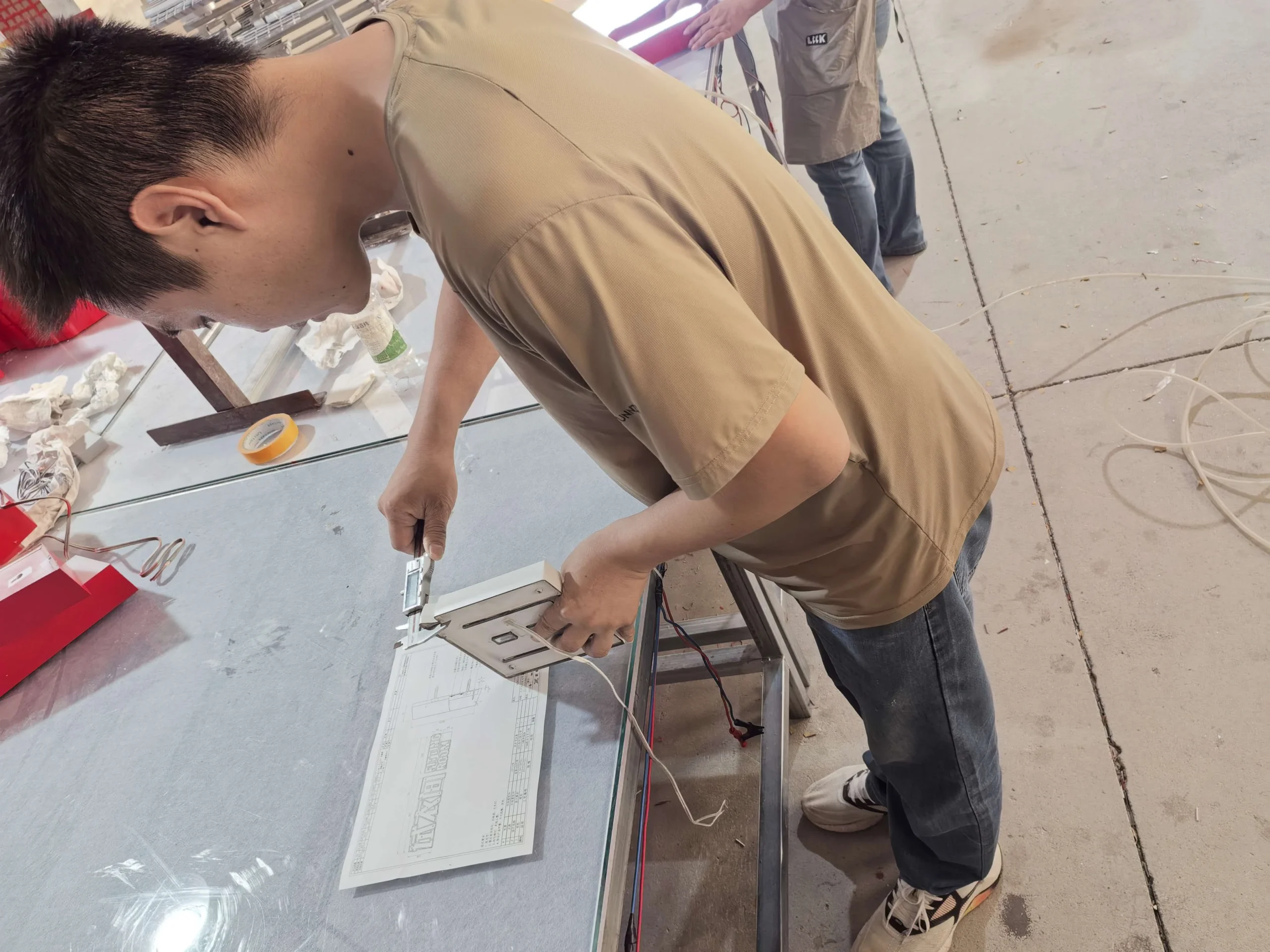
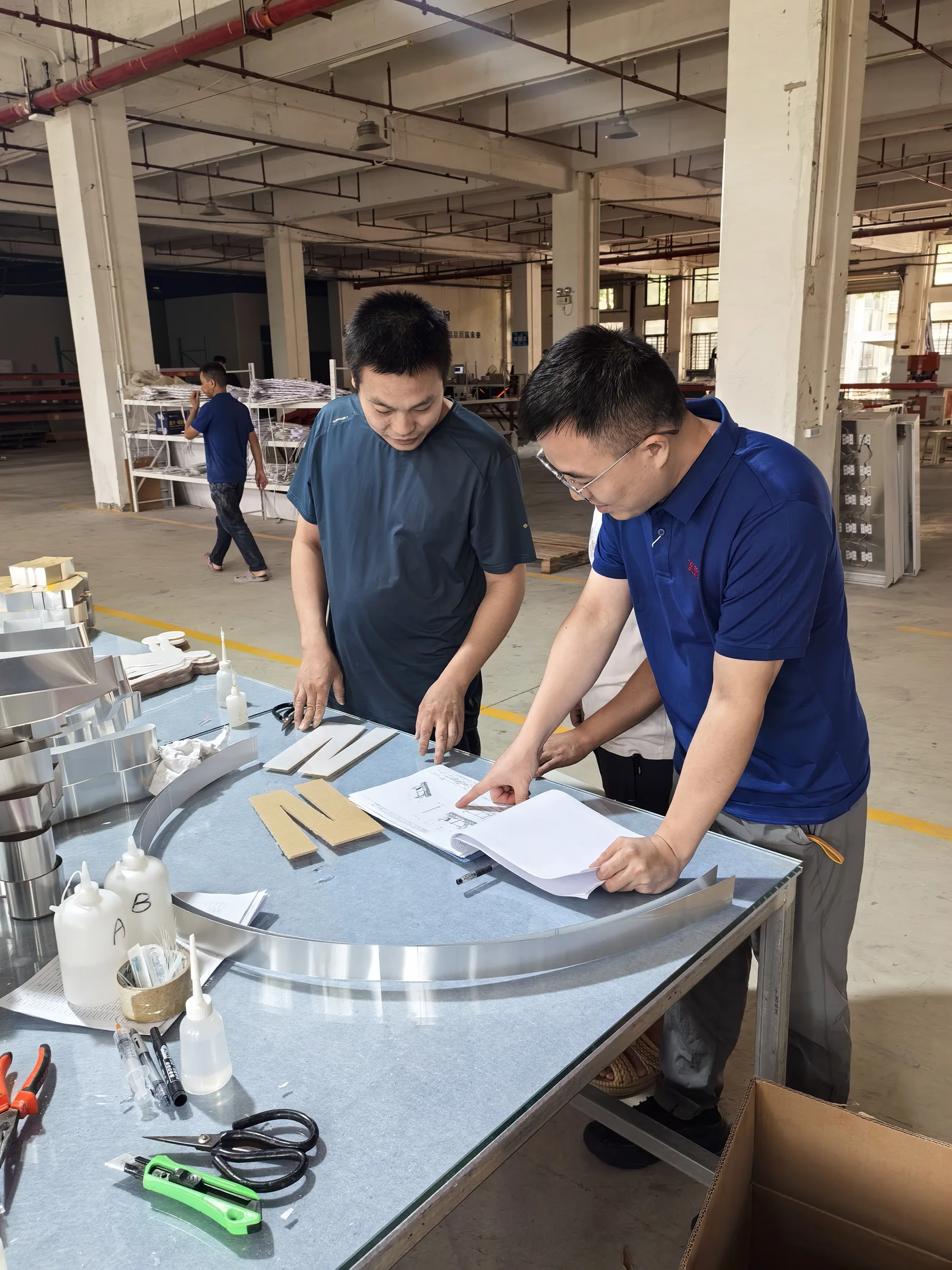
Real inspection work changes with the product. Dimensions, lighting, assembly and visual appearance are reviewed according to the features that matter to the finished display.
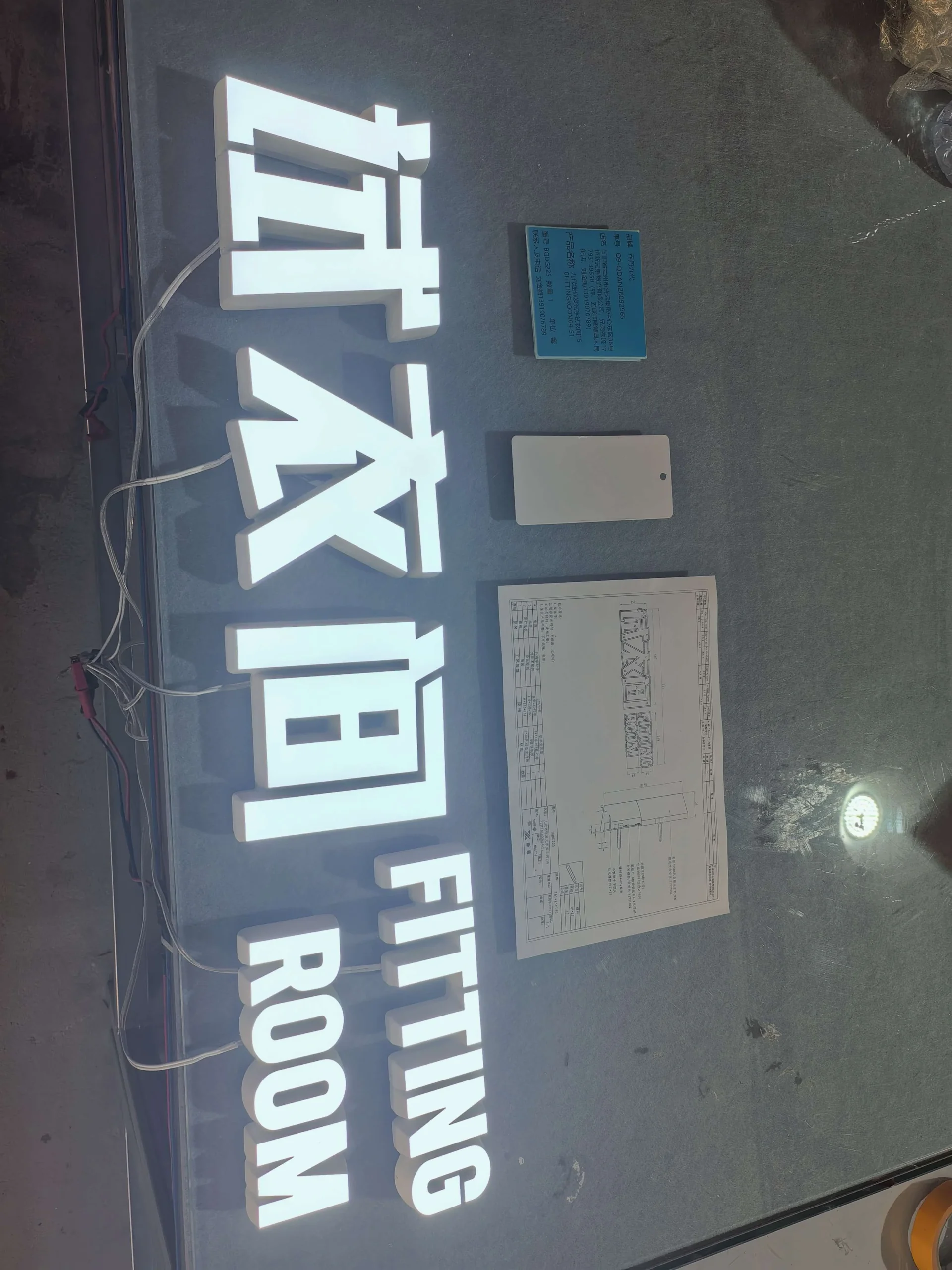
The examples below are taken from actual production and sample review work, showing dimensional inspection, lighting checks and illuminated product evaluation.
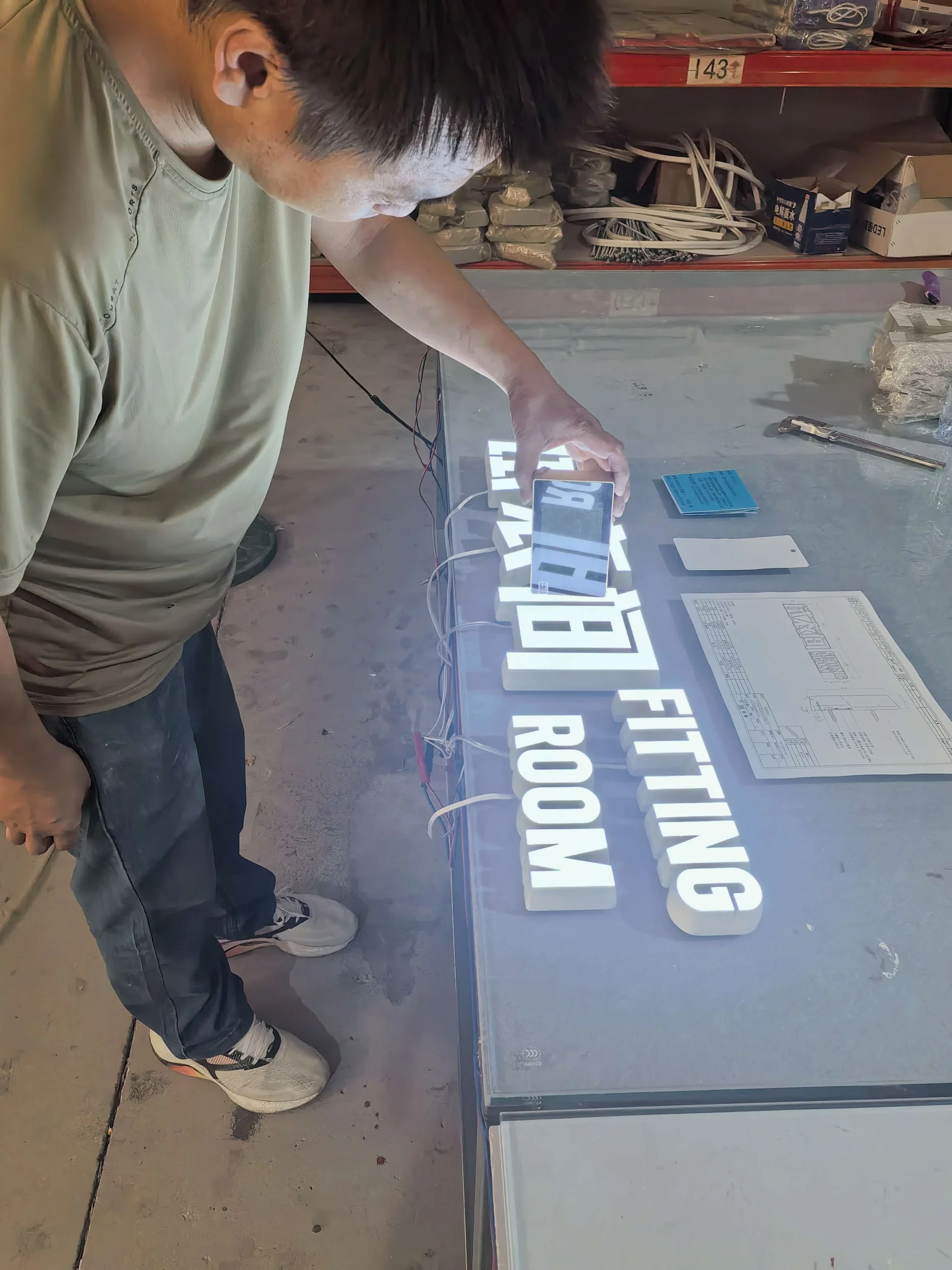
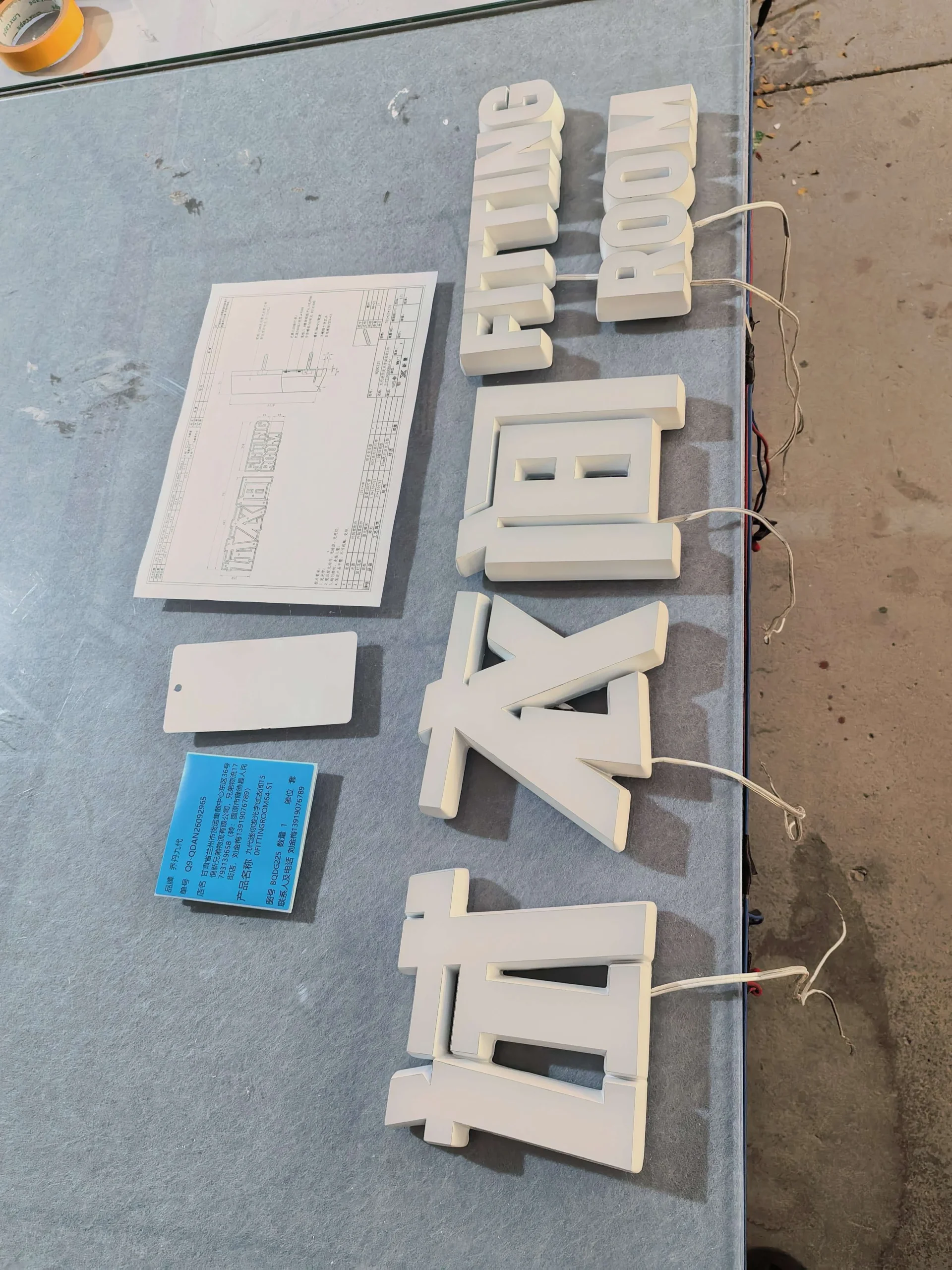
Review the Physical Sample
Sample inspection provides an opportunity to evaluate fabrication, assembly and appearance before the result becomes the production reference.
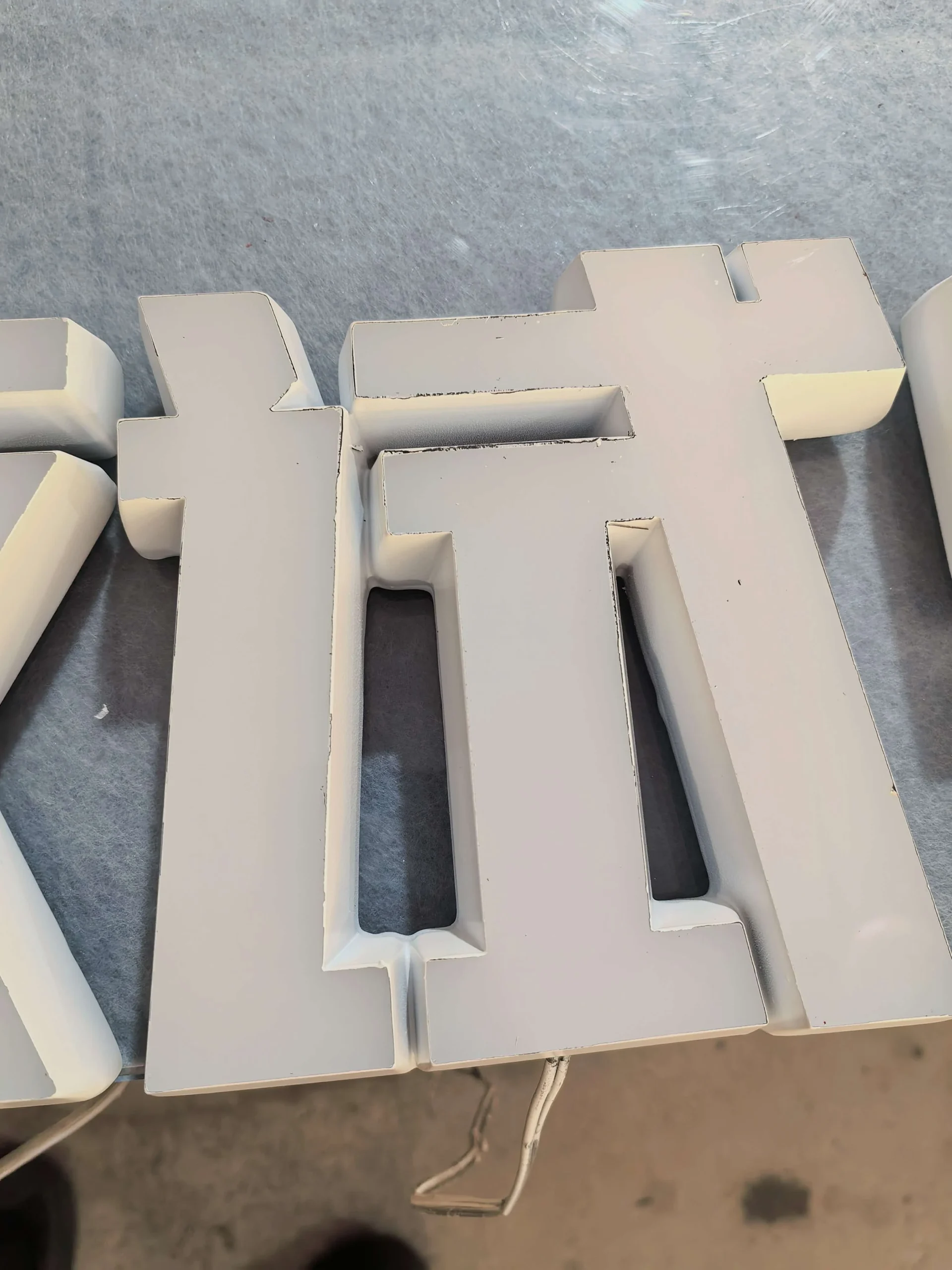
Identify Visible Differences
When an issue is found, the important step is to identify the affected area and determine what needs to be corrected before approval.
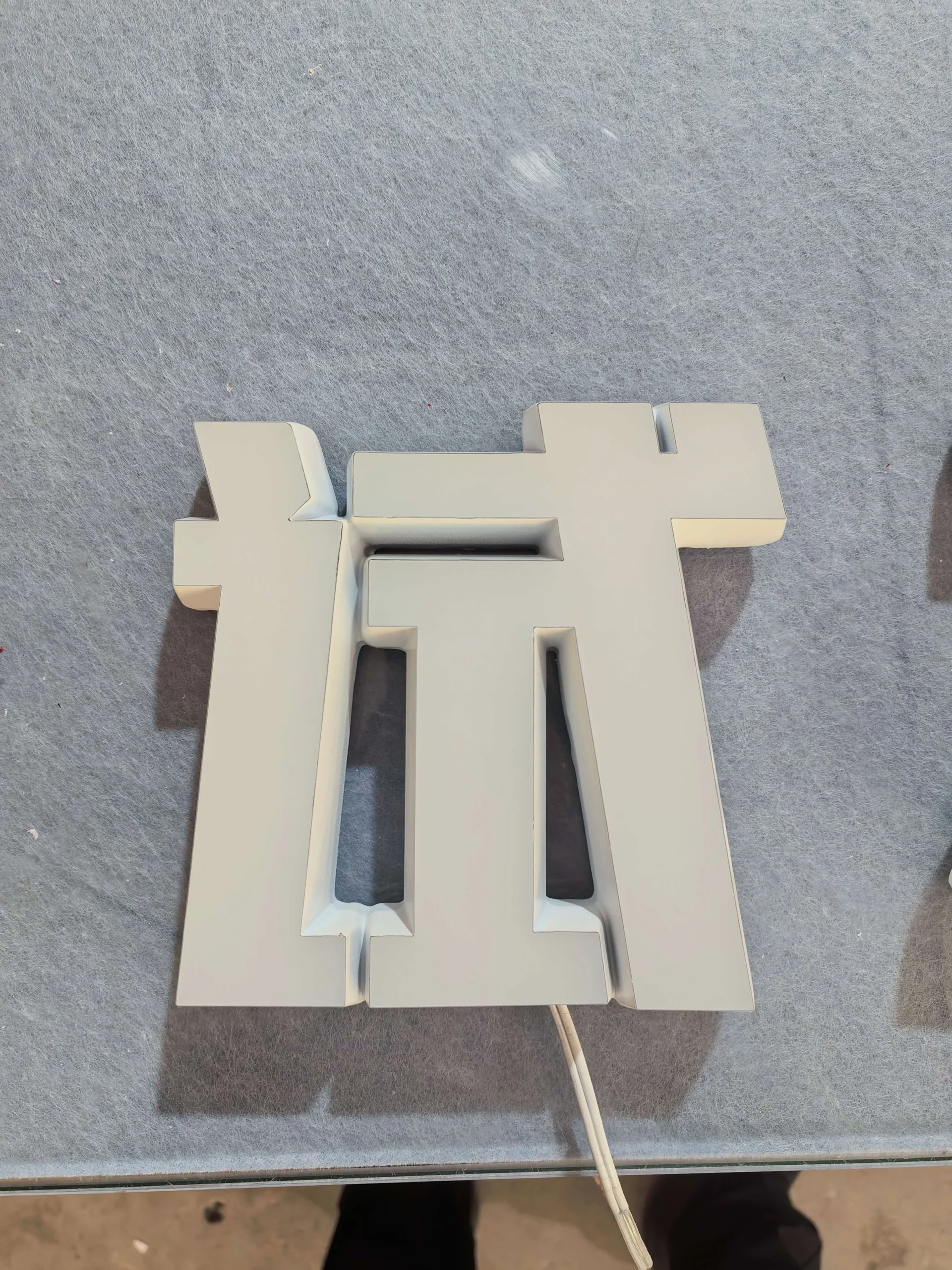
Verify the Result After Rework
Correction is not the end of the process. The affected area should be reviewed again before the sample or product moves forward.
Inspection Should Follow the Product Risk.
Not every project needs the same checklist. Inspection priorities are selected according to the structure, appearance and function of the display.
Dimensions & Fit
Critical measurements, interfaces, holes, slots, alignment and assembly clearances where relevant.
Material & Construction
Specified materials, relevant thicknesses, components and construction details according to project requirements.
Surface & Edge Appearance
Visible scratches, chips, edge quality, bonding areas and other appearance-sensitive surfaces.
Printing & Branding
Position, scale, orientation and visual consistency against the approved artwork or reference.
Assembly & Hardware
Bonding, fittings, fasteners, hinges, magnets and other integrated components where applicable.
Lighting & Function
For illuminated or functional displays, relevant lighting, assembled operation and visible performance become part of the review.
Different Displays Need Different Quality Priorities
The inspection plan should reflect what can affect appearance, assembly, function or consistency in the finished display.
Clear Acrylic & Premium Surfaces
Greater attention to transparent surfaces, visible edges, bonding quality, handling marks and appearance-sensitive areas.
Printed & Branded Displays
Greater attention to artwork position, orientation, visual appearance and consistency with the approved reference.
Illuminated Displays
Fabrication quality is combined with relevant lighting, assembly, wiring and functional review.
Multi-Part & Integrated Displays
Component fit, alignment, hardware and assembly become important when several materials or fabricated parts must work together.
Check the First Output Before Repeating It.
An approved prototype confirms the intended product. For suitable projects, first article verification adds another checkpoint when that approved result is transferred into the production setup.
The objective is to identify a relevant difference before the same production condition is repeated across the order.
See Prototype & Sampling →Prototype approval and production verification serve different purposes. One confirms the product reference; the other helps confirm that production has transferred that reference correctly.
Finding a Problem Is Only the First Step.
Quality control also needs a response when something does not match the approved result. The issue should be identified, corrected where appropriate and reviewed again before approval.
Inspect the Deviation
Identify the visible or functional difference and determine which approved requirement is affected.
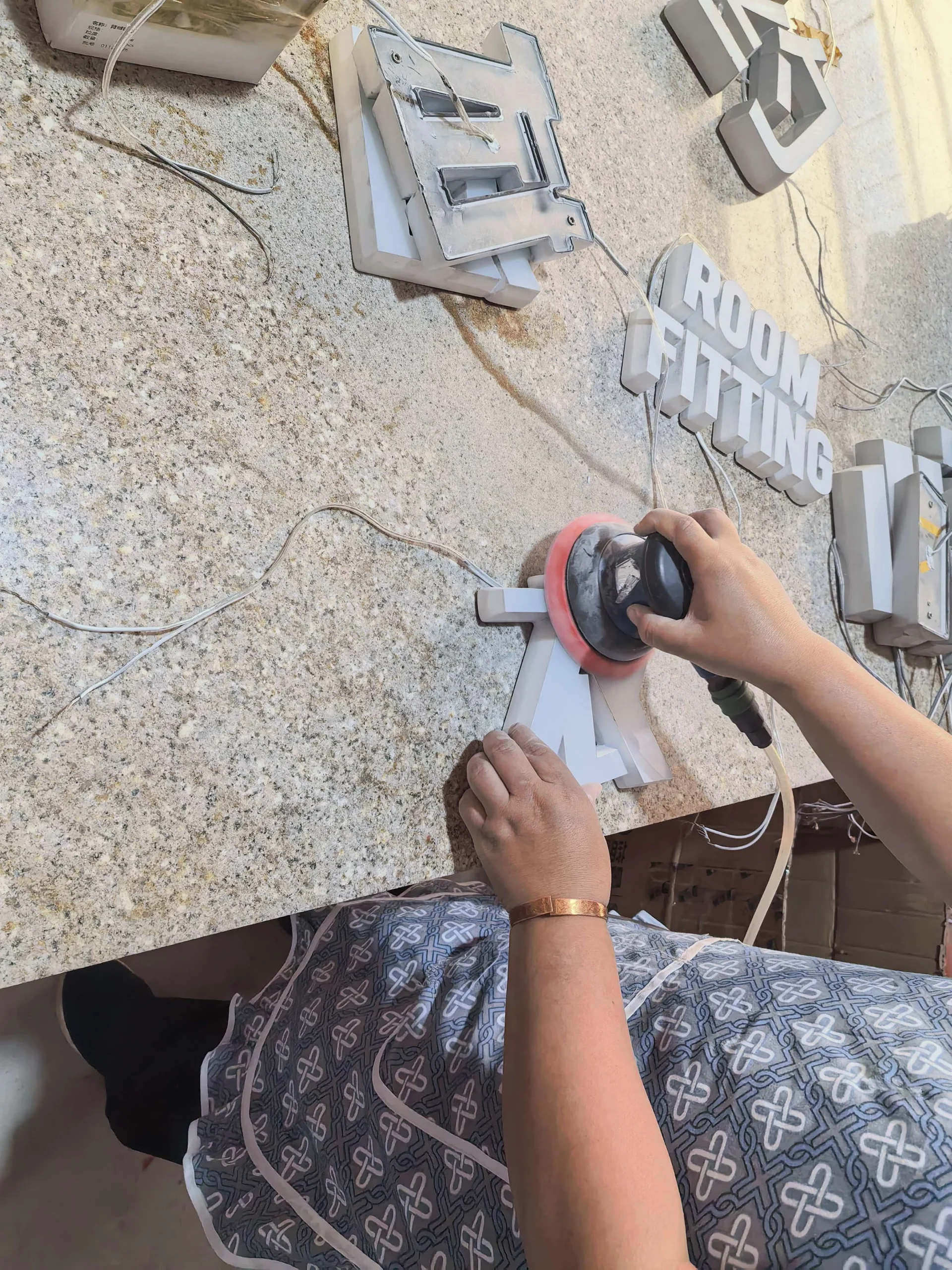
Rework Where Appropriate
Where the issue can be corrected, the affected area is reworked before the product is presented for another review.
Review the Corrected Result
Rework should be followed by another inspection so the corrected result can be evaluated before moving forward.
Identify
Define what differs from the approved reference, drawing or requirement.
Contain
Keep the affected output from simply continuing through the normal production flow.
Correct
Rework, replace or adjust the relevant production condition where appropriate.
Re-Inspect
Review the corrected result before the product or production stage is released.
Quality Control Continues Until Release for Packing
After applicable final checks are completed, finished products move into the agreed packing process. Protection, packing configuration and shipment preparation are handled according to the project requirements.
View Packaging & Shipping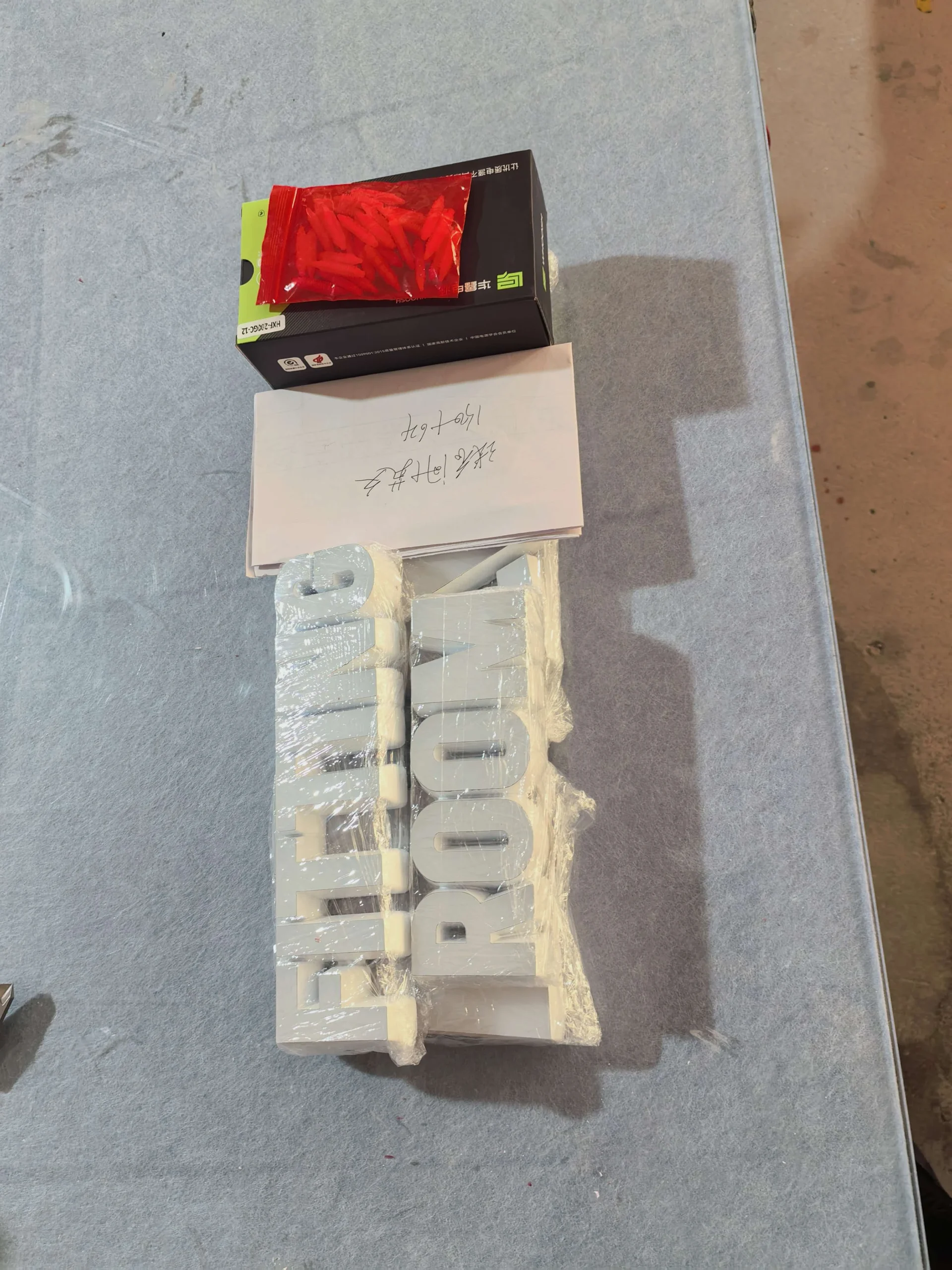
Quality Control Is Part of a Connected Manufacturing Process
See how engineering, prototype approval, manufacturing and packaging connect with production quality control.
Have Critical Quality Requirements for Your Display Project?
Send us your drawing, specification, sample or inspection requirements. We can review the important control points before production begins.
Drawing · Sample · Specification · Quality Requirements · NDA Available