
PACKAGING & SHIPPING
Packaging & Shipping for Custom Retail Displays
Retail display packaging is planned around the finished product — its geometry, visible surfaces, fragile areas, components and shipment requirements.
From surface protection and internal cushioning to project identification, export packing and shipment preparation, the packing method is developed around the actual display.
PACKAGING STARTS WITH THE PRODUCT
The Product Determines the Packing Method.
A clear acrylic riser, an illuminated display, a multi-part fixture and a large assembled structure create different risks during handling and transport. They should not automatically receive the same packing specification.
Packaging therefore starts with the approved product: its geometry, finished surfaces, vulnerable areas, integrated components and shipment configuration.
PACKAGING RISK REVIEW
Protect the Areas Most Likely to Be Damaged.
Before the packing structure is finalized, the vulnerable areas of the approved display need to be understood.
Surface & Edge Damage
Clear acrylic, polished edges, printed graphics and finished surfaces may require wrapping and separation to reduce scratching, rubbing and direct contact.
Movement & Deformation
Larger panels, projecting structures and assemblies need suitable positioning and cushioning so the product is not left moving freely inside the package.
Lighting, Hardware & Parts
Lighting modules, hardware and detachable components may require separate protection and controlled placement within the packing structure.
PROTECTIVE PACKAGING
Protection Is Built in Layers.
Depending on the product, several protective methods can work together rather than relying on one universal packaging material.
REAL PACKAGING EVIDENCE
Real Protection Behind the Finished Product.
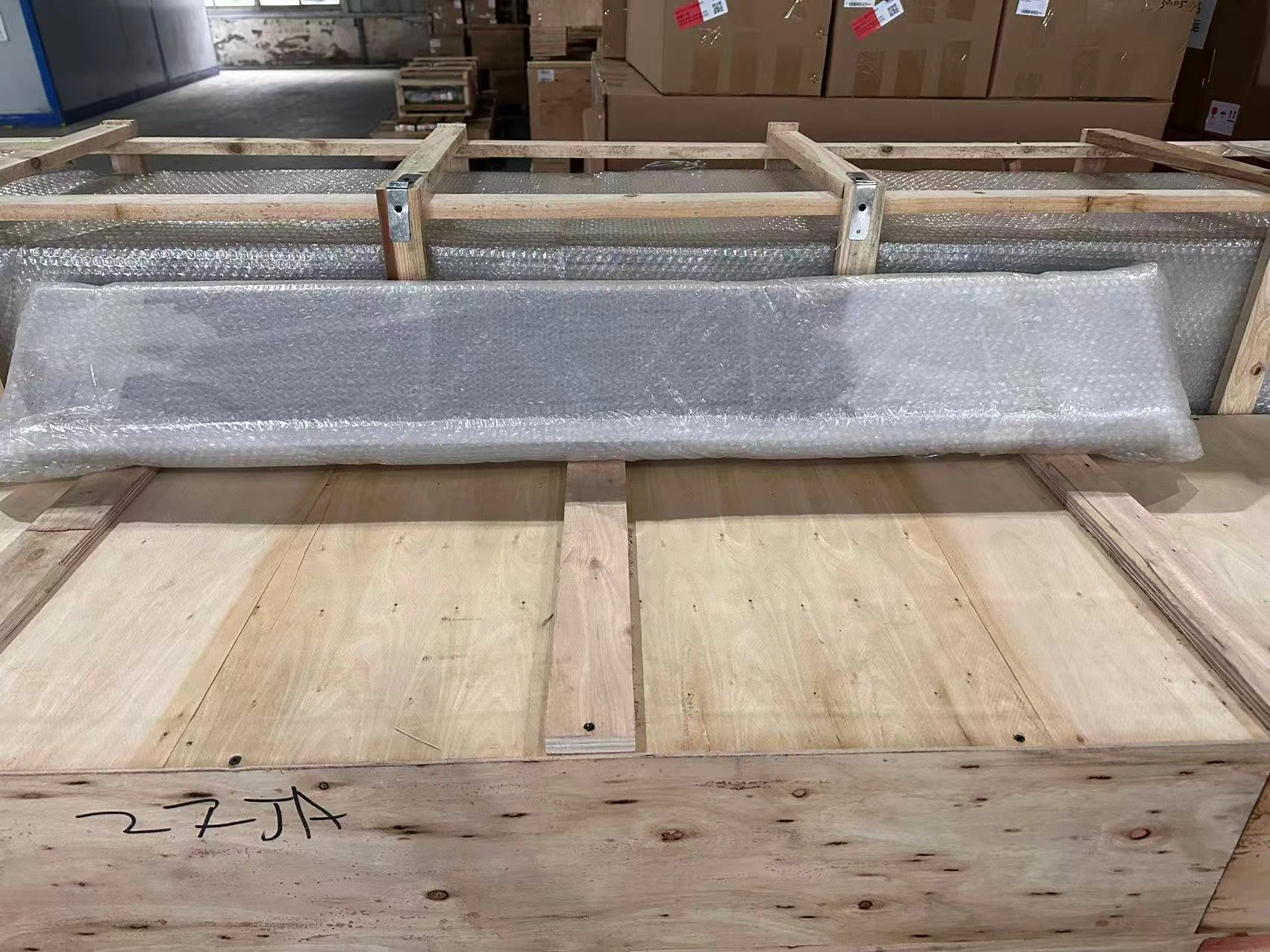
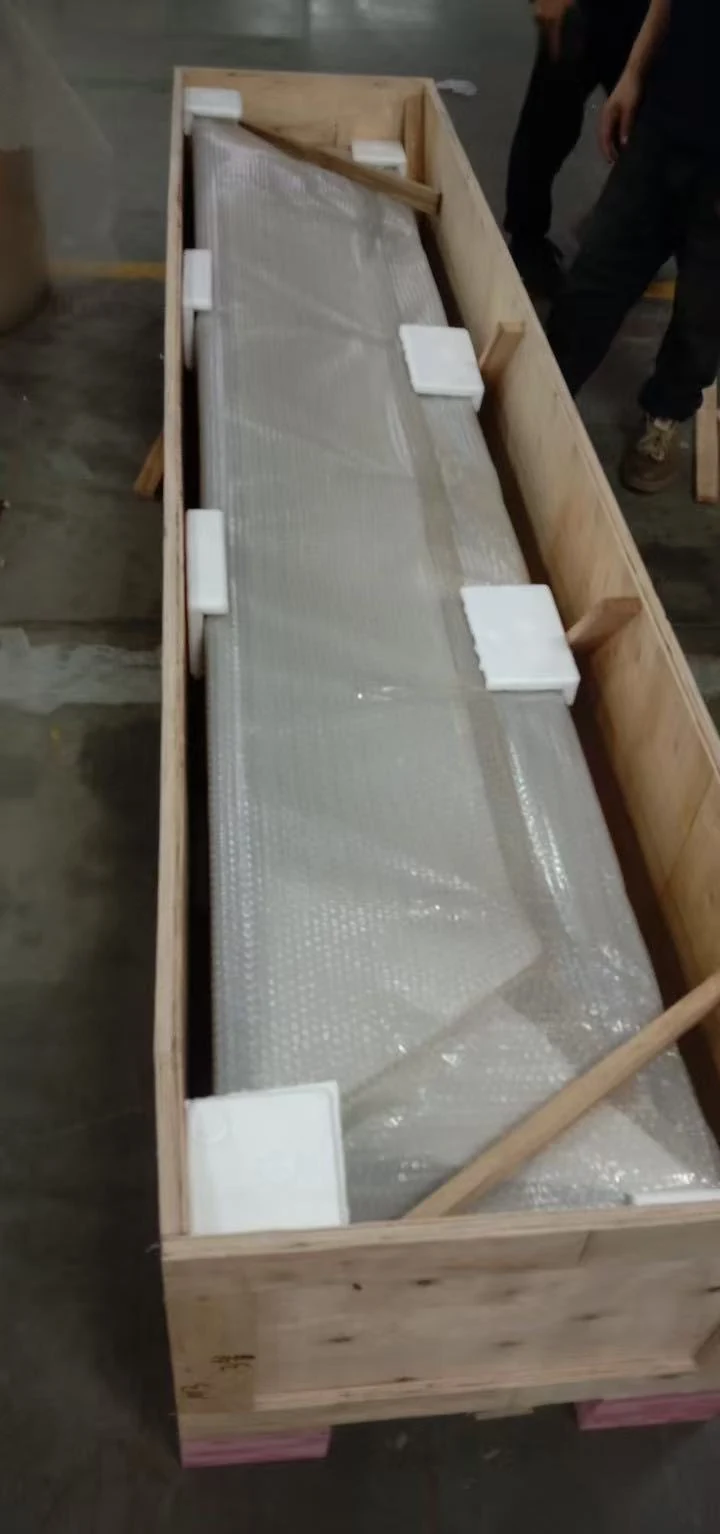
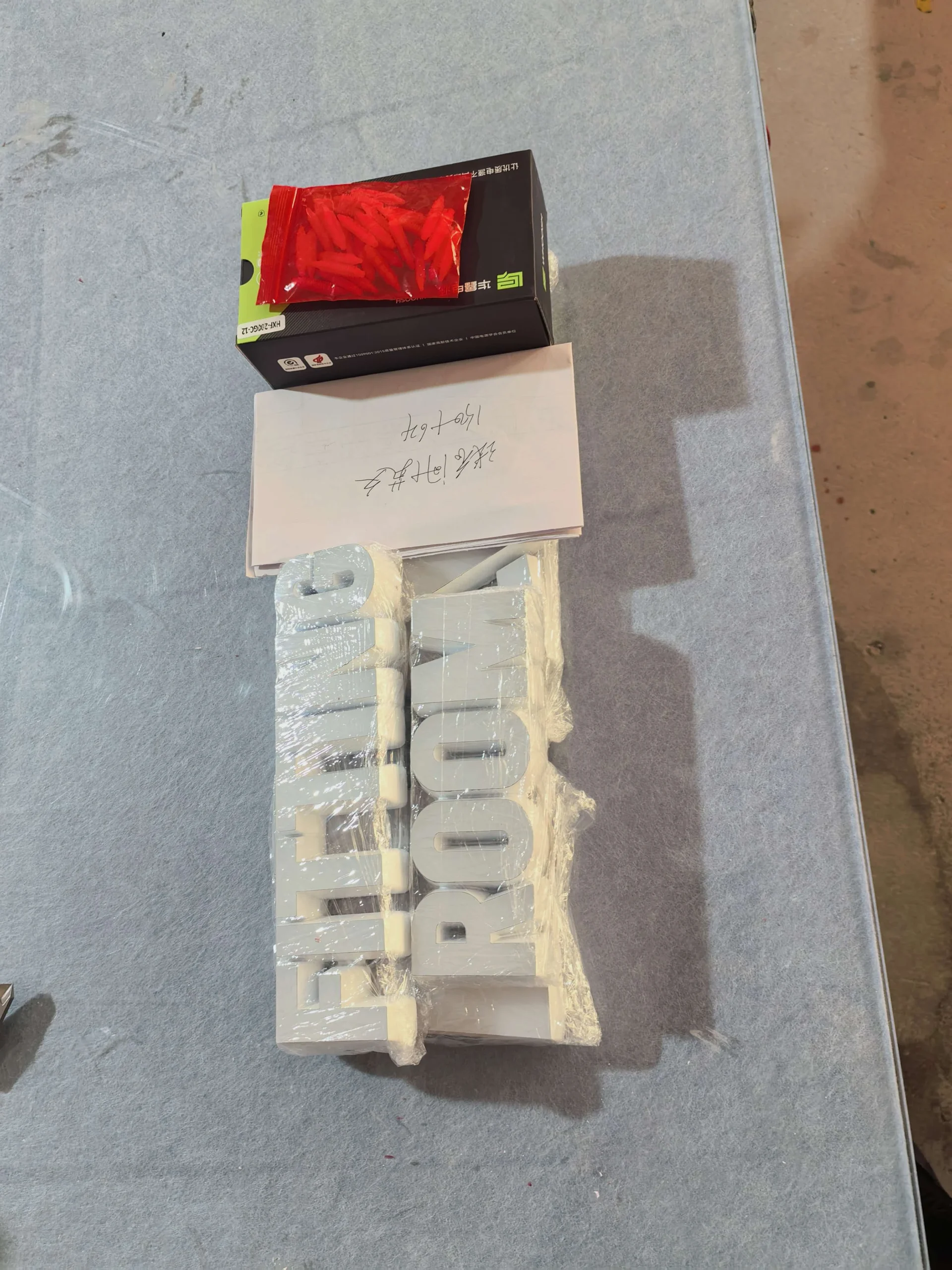
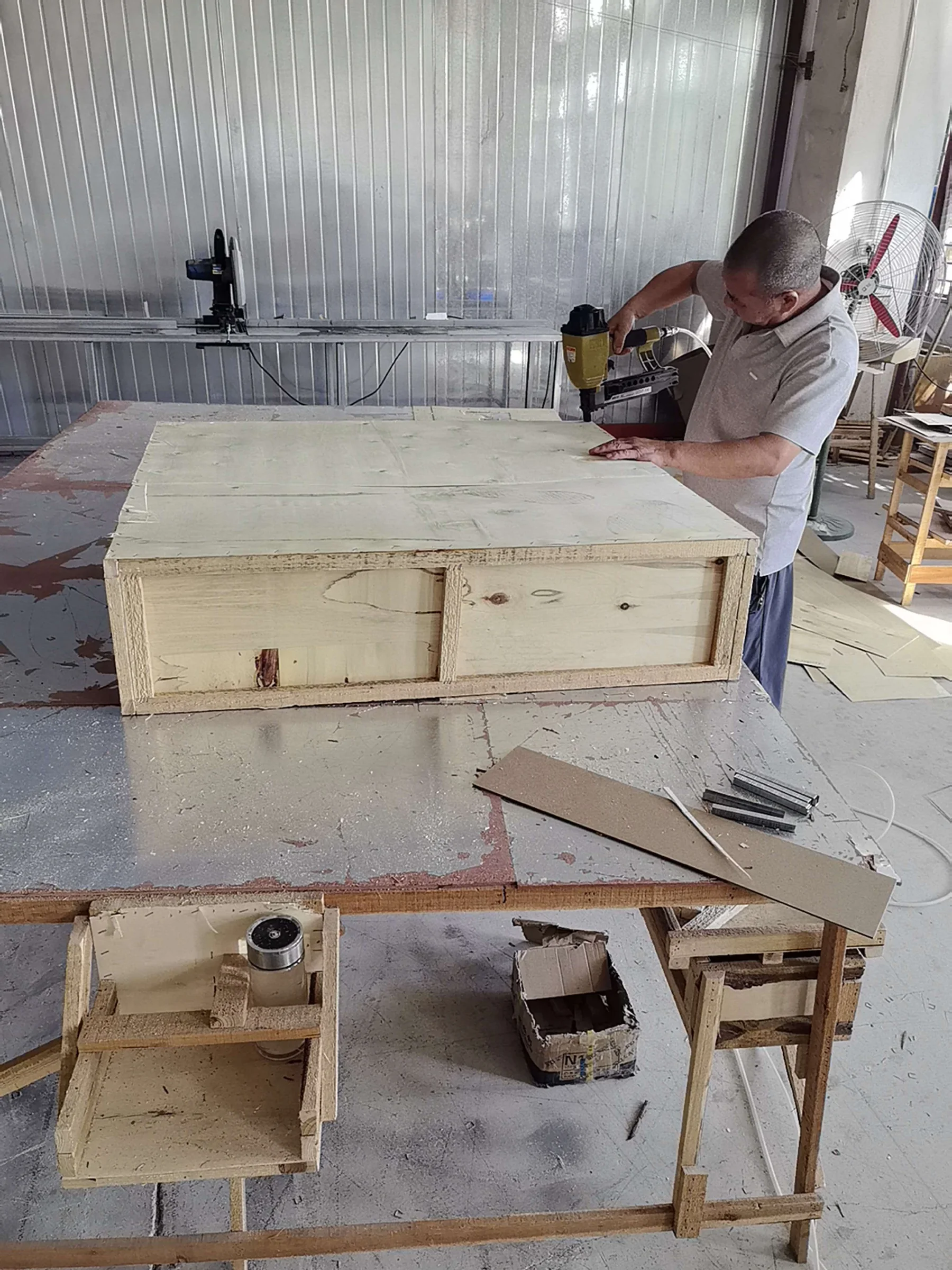
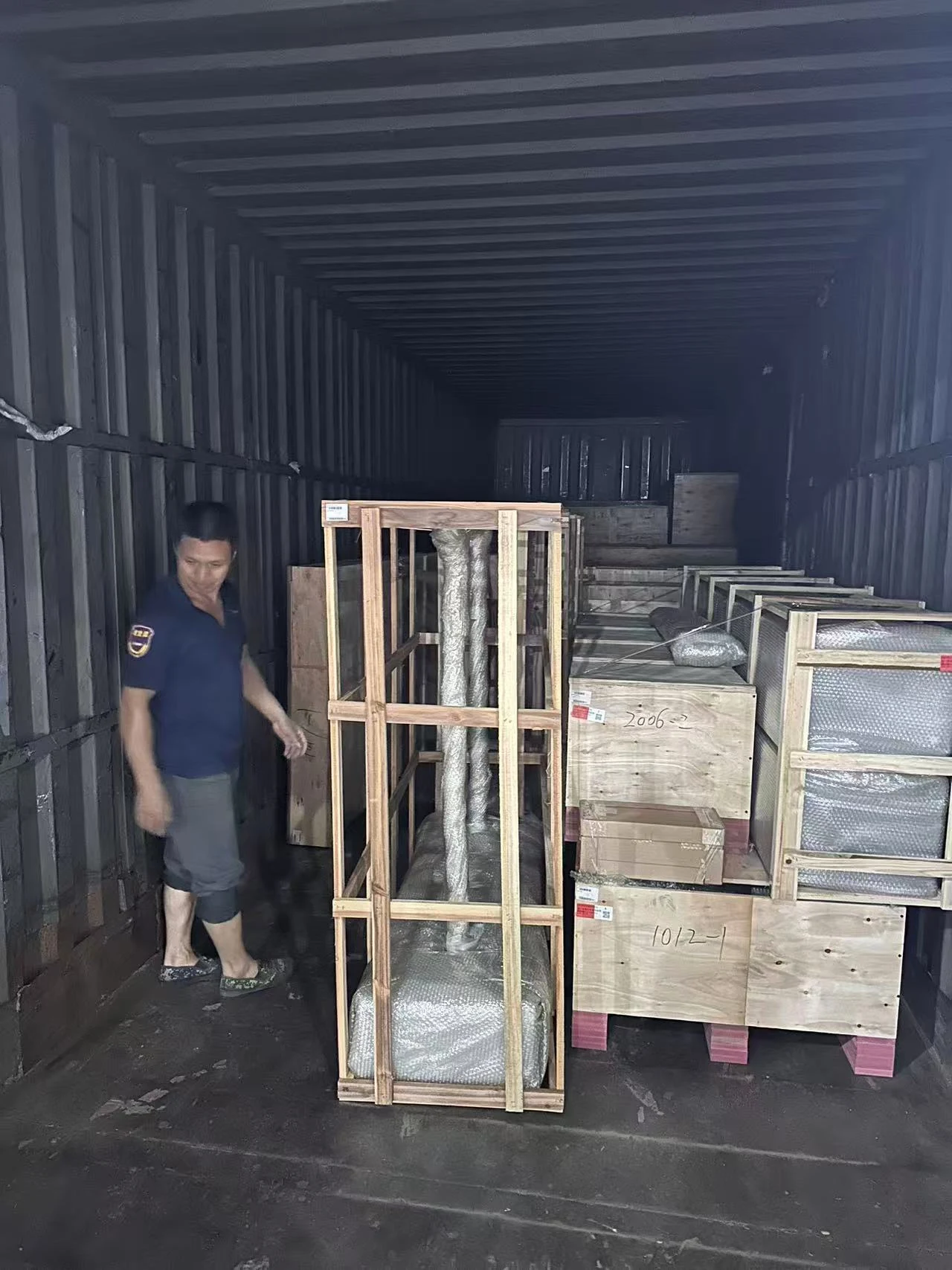
Production examples showing internal cushioning, component separation, protective crating, export packing and loading preparation.
Protective Wooden Crating
Internal Cushioning
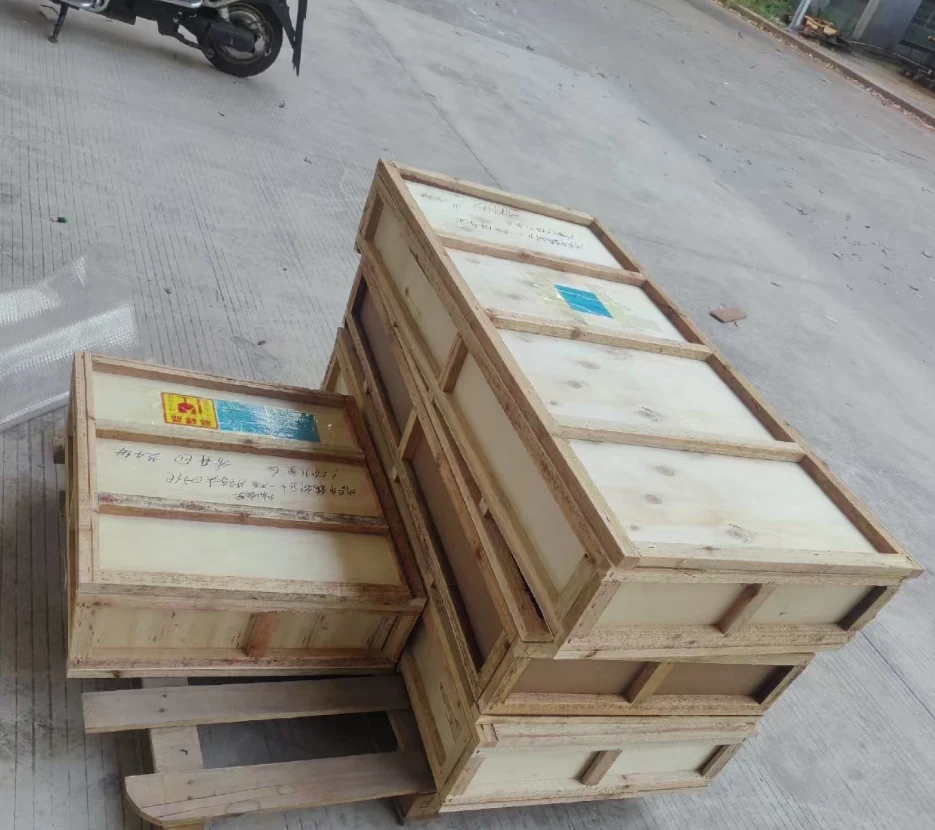 Ready for Shipment
PRODUCT-SPECIFIC PACKING
Different Products Need Different Protection Priorities.
The final packaging specification depends on the approved display rather than one fixed packing standard for every project.
Displays & Cases
Greater attention to transparent surfaces, polished edges and direct contact between individual components.
Lighting Products
Lighting modules, wiring and integrated components may require additional cushioning and controlled positioning.
Multi-Part Displays
Separate parts can be protected and organized so components remain identifiable and ready for final assembly.
Large Structures
Larger assemblies may require stronger positioning and external protection, including wooden crating where appropriate.
PROJECT & ROLLOUT PACKING
Packing Is Also About Identification.
For projects involving multiple SKUs, components or store locations, physical protection is only one part of the packing plan.
Product, carton, component and project identification can help receiving teams understand what has arrived and where each item belongs.
Explore Retail Display Rollout ProgramsProduct Identification
Product codes, descriptions or project references can be applied according to agreed packing requirements.
Carton Labeling
Carton identification can support receiving, sorting and project distribution.
Rollout Labeling
Store- or site-specific identification can support larger commercial rollout programs where required.
Component Labels
Part numbering can reduce confusion when products ship as multiple components.
Hardware Packs
Hardware can be grouped and identified to support final assembly and project handover.
Packing Information
Agreed packing information can support receiving and project coordination at destination.
FINAL RELEASE
Packing Is the Final Manufacturing Control Point.
Before logistics handover, product status, quantity, components, protective packing and project identification need to align with the agreed requirements.
Final Product Review
Relevant product checks are completed before final packing.
Quantity & Parts
Packed units and applicable components are confirmed.
Protective Packing
The agreed protection and packing structure is applied.
Label & Identify
Required carton, component or project identification is added.
Logistics Handover
The packed order is prepared for the agreed shipment handover.
Product control comes before final packing. Explore Quality Control
PACKAGING & SHIPMENT PREPARATION
Part of the Manufacturing Project.
From Finished Product to Logistics Handover
Our role is to prepare the manufactured displays for the agreed shipment method through suitable protection, packing, identification and export preparation.
Freight arrangements can be coordinated according to the individual project, but packaging and shipment preparation are provided as part of our manufacturing support rather than as a standalone logistics service.
RELATED CAPABILITIES
Packaging Connects to the Manufacturing Process.
Product protection is most effective when packaging requirements are considered alongside development, manufacturing, quality control and rollout planning.
PACKAGING FAQ
Common Packaging Questions
Do all custom retail displays use wooden crates?
How are clear acrylic surfaces protected?
Can separate components be packed and identified individually?
Can packaging be organized for multi-SKU or rollout projects?
When is the final packaging method confirmed?
Need Packaging Built Around Your Product or Rollout?
Share your product size, quantity, destination and project requirements. We can review packaging together with the product structure, production plan and shipment preparation.