Custom Products Engineered for Unique Retail & Commercial Projects
From sculptural acrylic forms and RGB illuminated structures to branded installations, special POP features and multi-material project builds, we turn drawings, concepts and physical references into manufacturable custom products.
Your Project Does Not Need to Fit a Standard Product Catalogue.
Some products begin with an unusual shape. Others begin with a lighting effect, an architectural feature, a campaign concept, a retail rendering or a completely new commercial application.
These projects may combine acrylic, metal, wood, LED, graphics, hardware and project-specific structural requirements.
The job is not simply to select an existing product. It is to turn the design intent into something that can be engineered, prototyped and manufactured.
Send a drawing, rendering, physical sample, reference image or initial idea. We can review the materials, structure, lighting and manufacturing route.
What Can a Custom Project Look Like?
These are not fixed catalogue SKUs. They represent the kinds of structures, effects and project requirements that can be developed around a customer’s design.
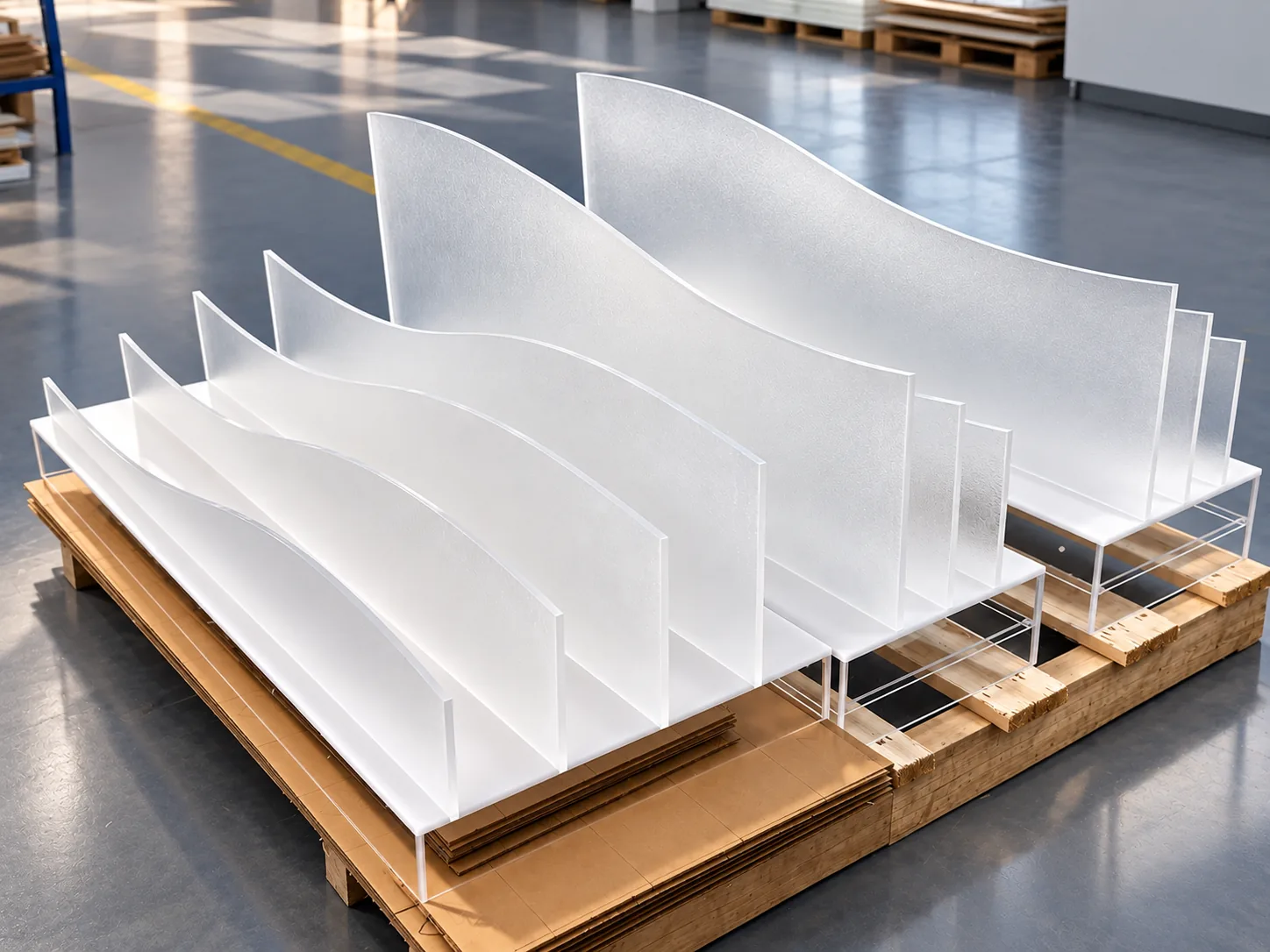 Form & Geometry
Sculptural & Formed Acrylic Products
Curved, formed, layered and unusually shaped acrylic components developed around a project-specific visual or structural requirement.
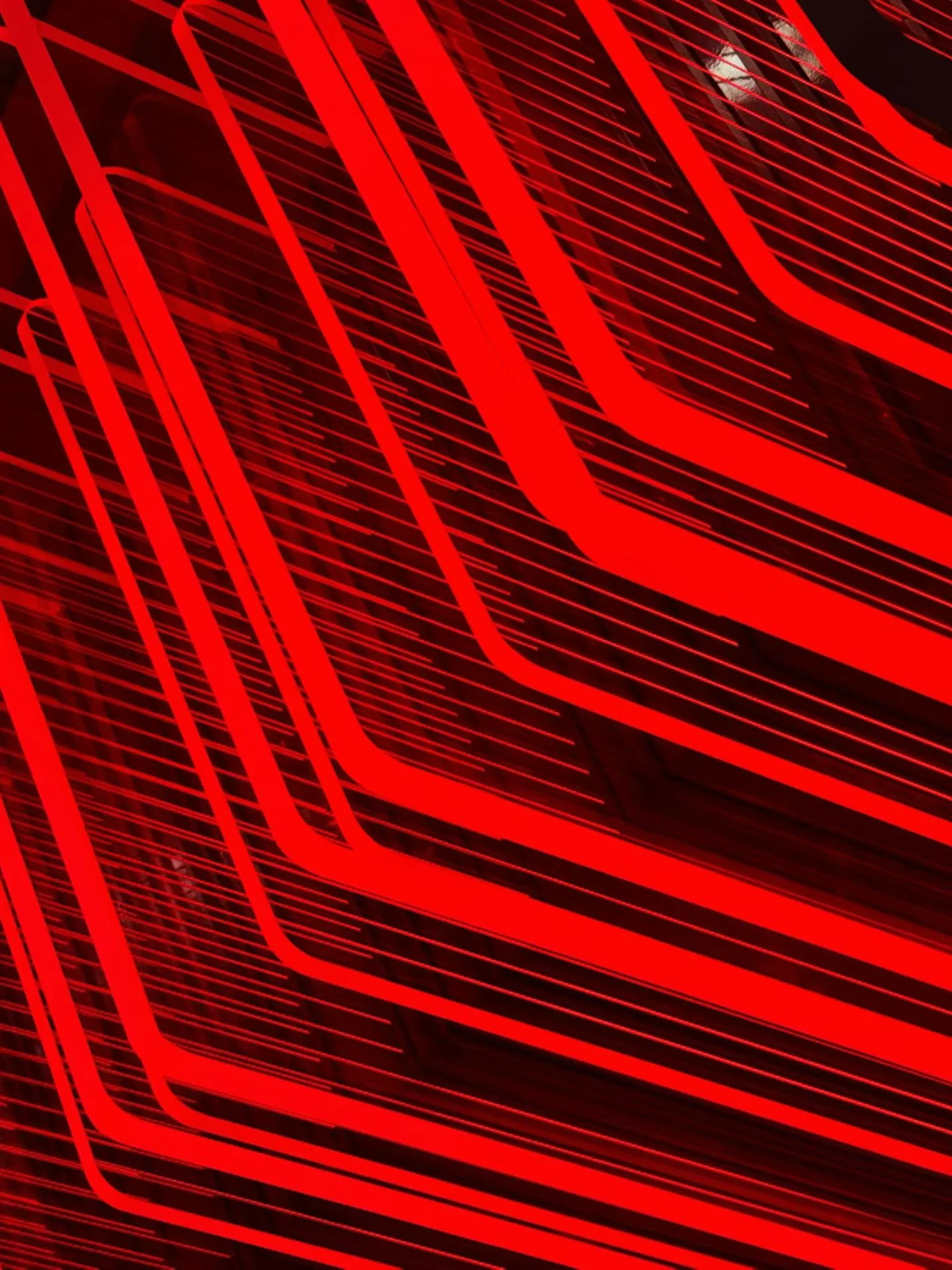 Lighting
RGB & Special-Effect Illuminated Products
Custom illuminated components, light boxes and visual structures developed around special shapes, color effects and project-specific lighting requirements.
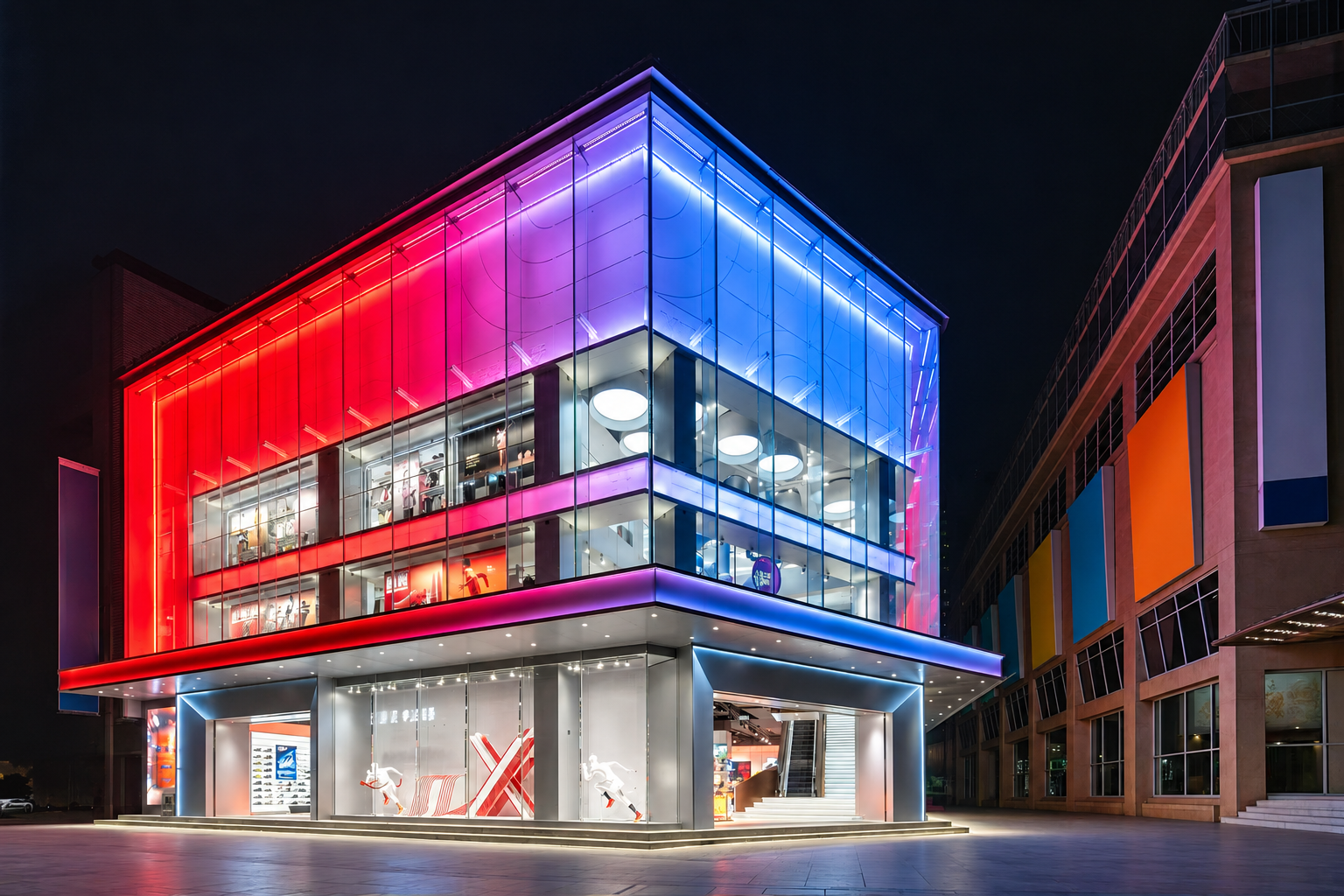 Real Project
Custom Illuminated Structures
Large illuminated architectural and commercial features where geometry, internal structure, surface and lighting must work together as one engineered system.
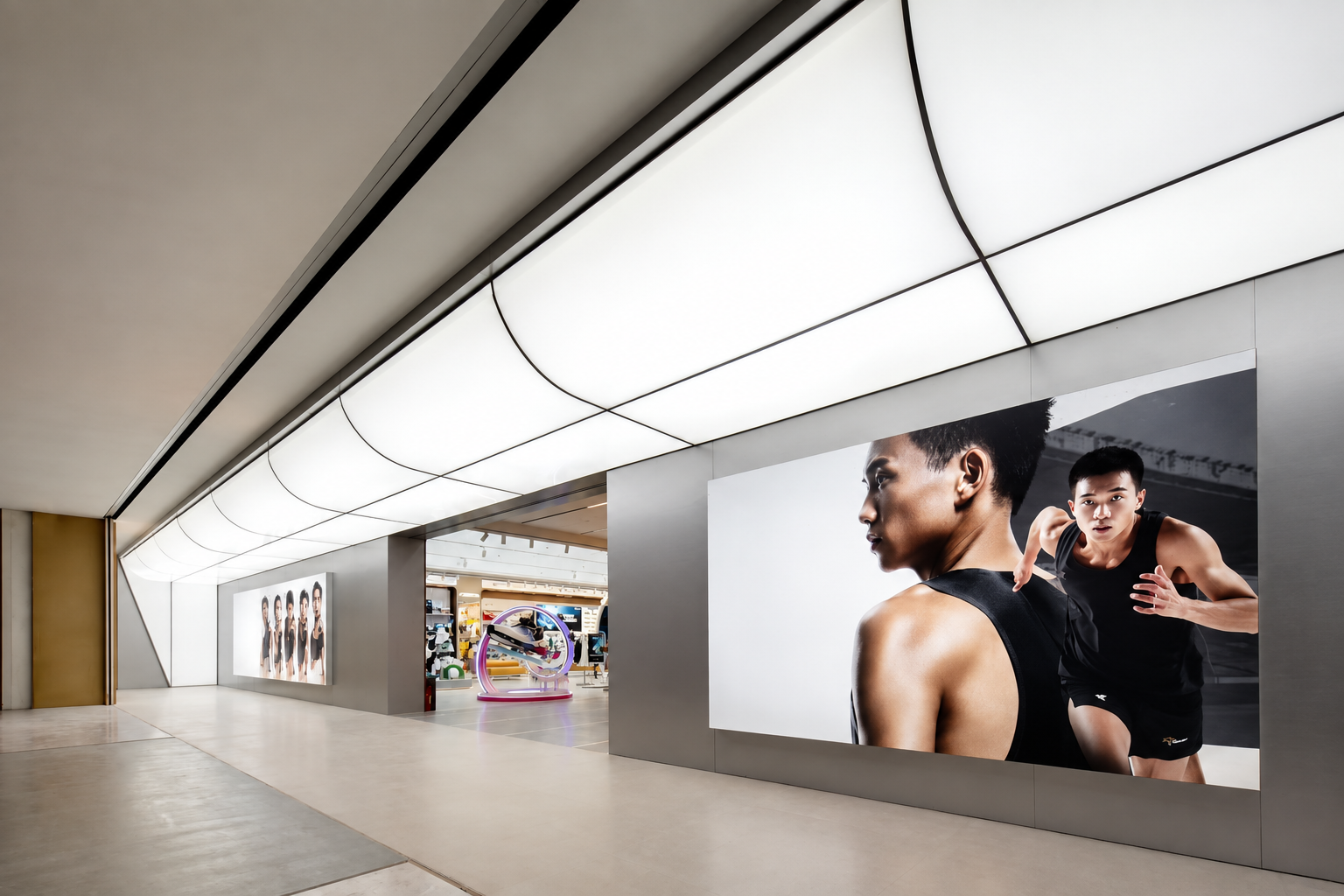 Real Project
Curved & Large-Format Commercial Structures
Custom storefront and commercial structures that combine curved geometry, supporting construction, illuminated surfaces and site conditions.
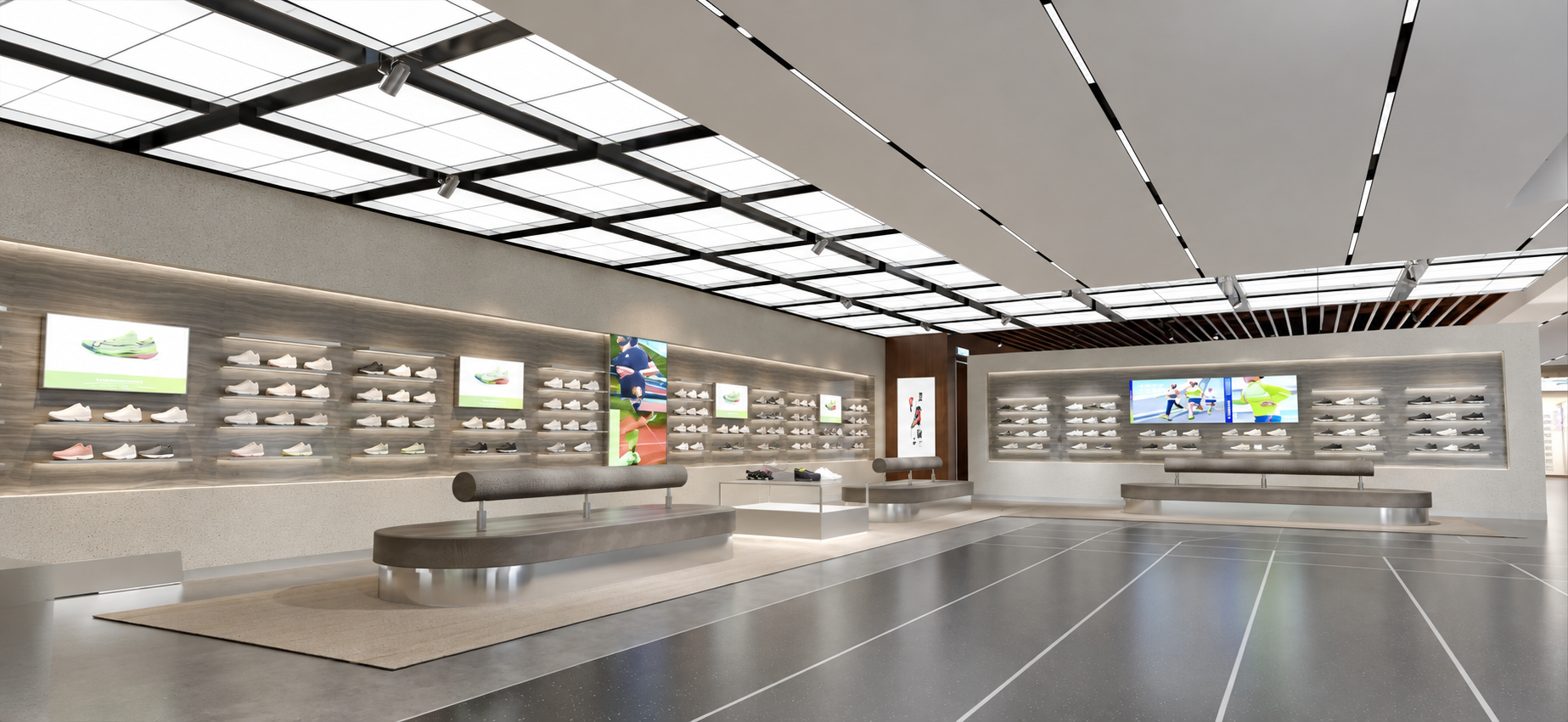 Real Project
Modular & Large-Scale Custom Systems
Large custom visual features divided into coordinated modules for manufacturing, handling, lighting integration and installation.
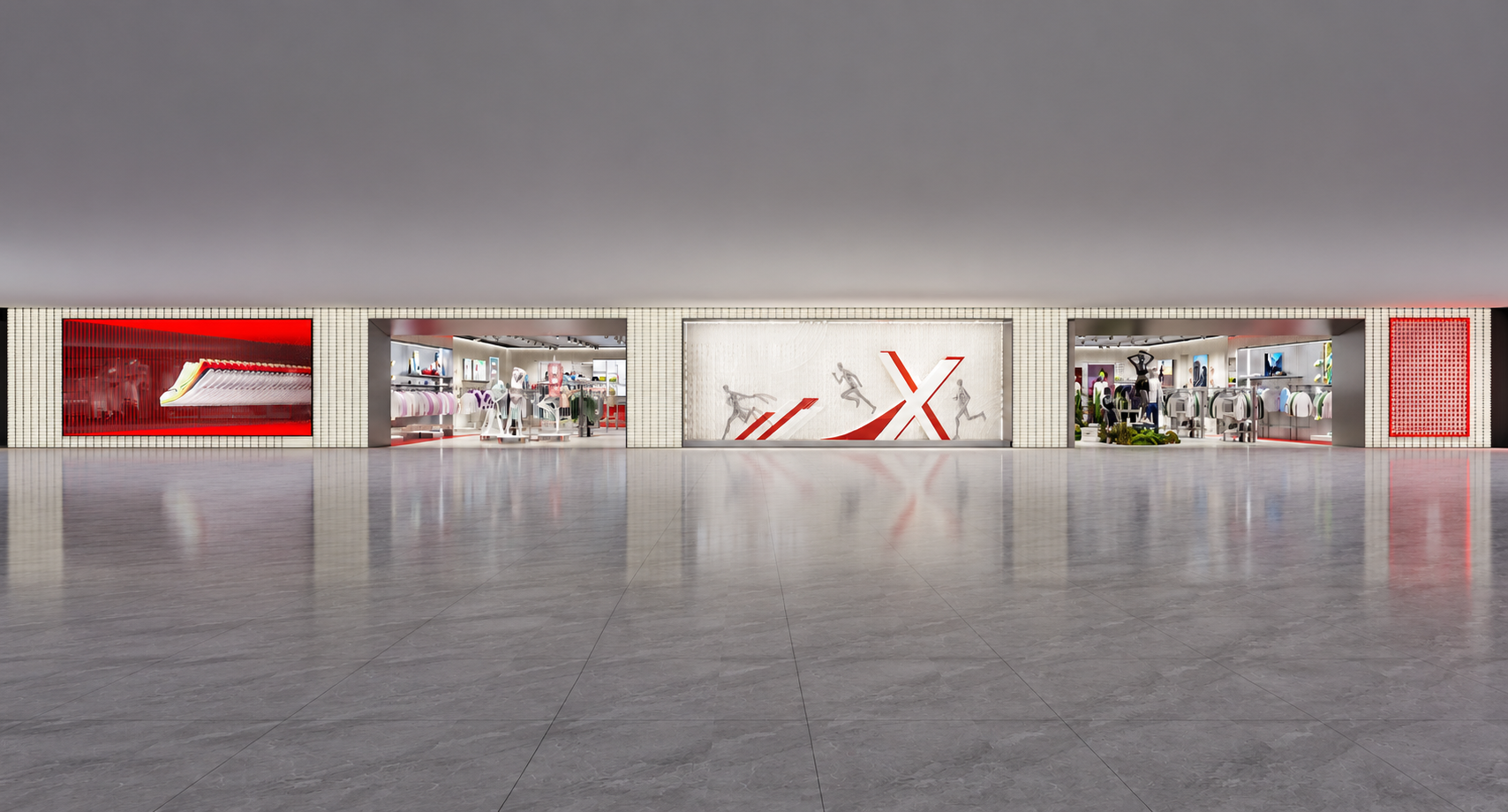 Real Project
Retail & Commercial Installations
Custom acrylic and illuminated structures designed as part of a wider branded retail or commercial environment rather than as a standalone display product.
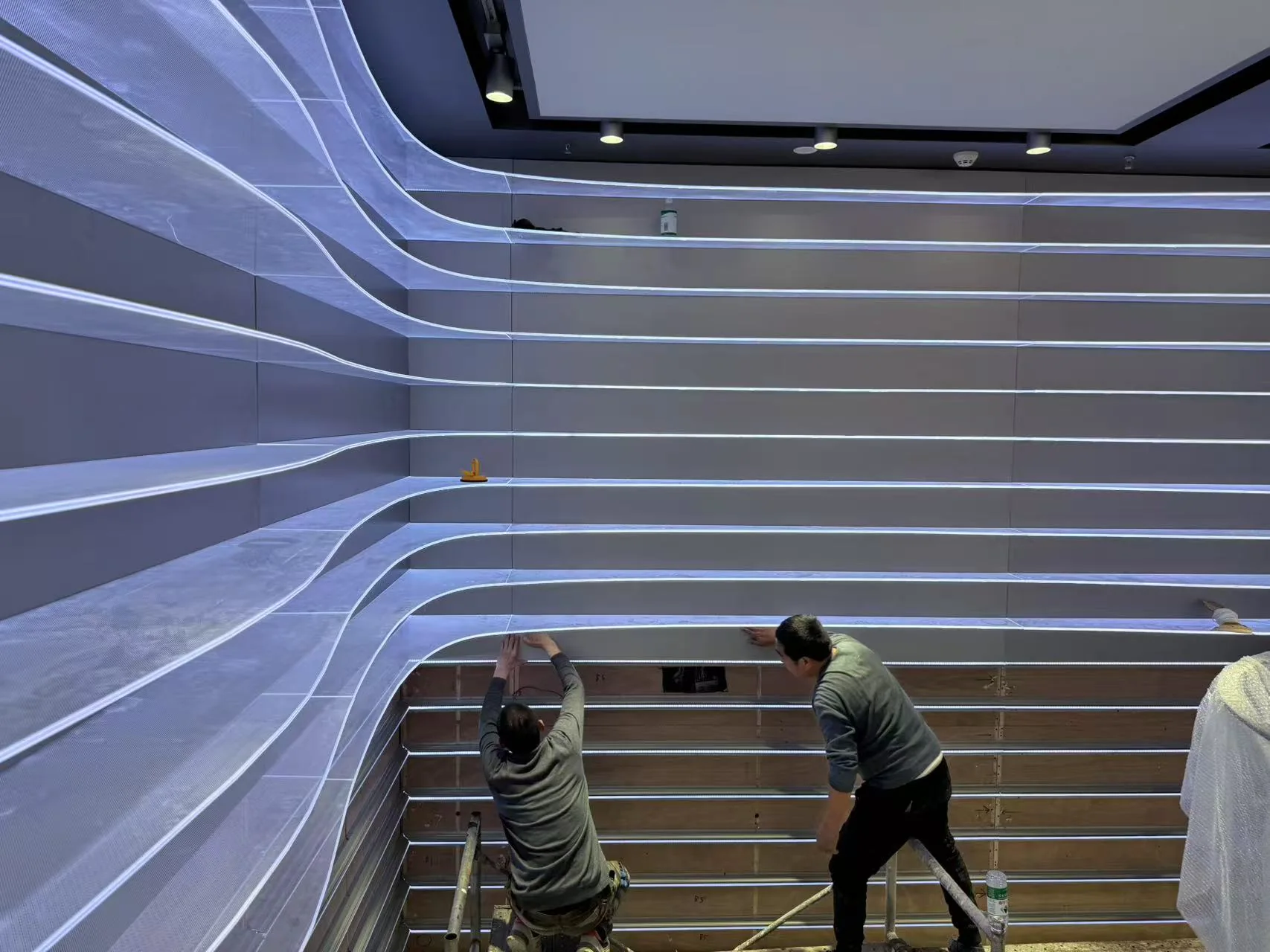 Project Manufacturing
Engineering Project Custom Components
Special fabricated sections, assemblies and project components manufactured around engineering drawings, interfaces and installation requirements.
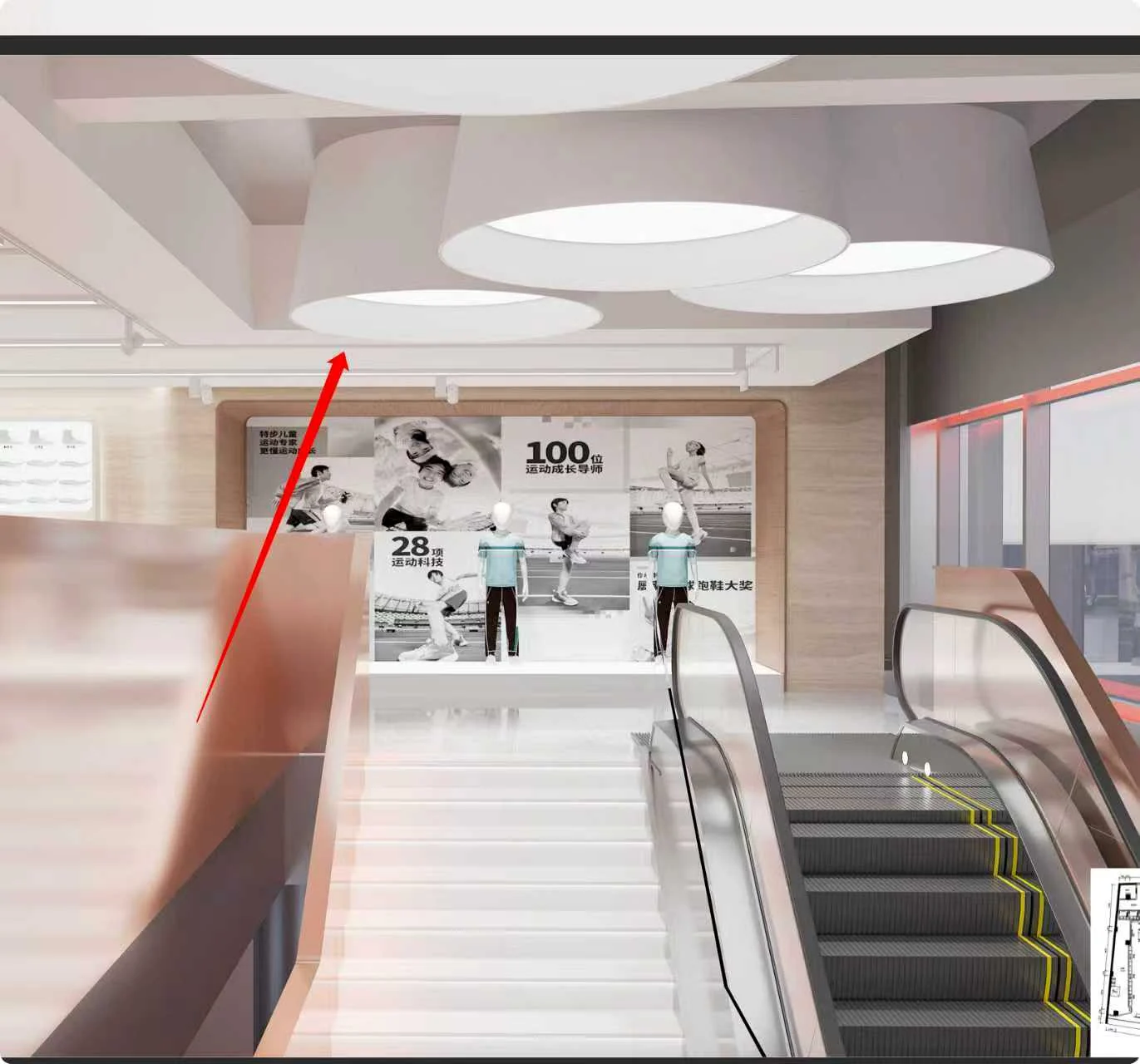 Design to Build
Products Developed from Drawings & Renderings
When the visual design exists but production details do not, engineering development can turn the concept into a more practical manufacturing solution.
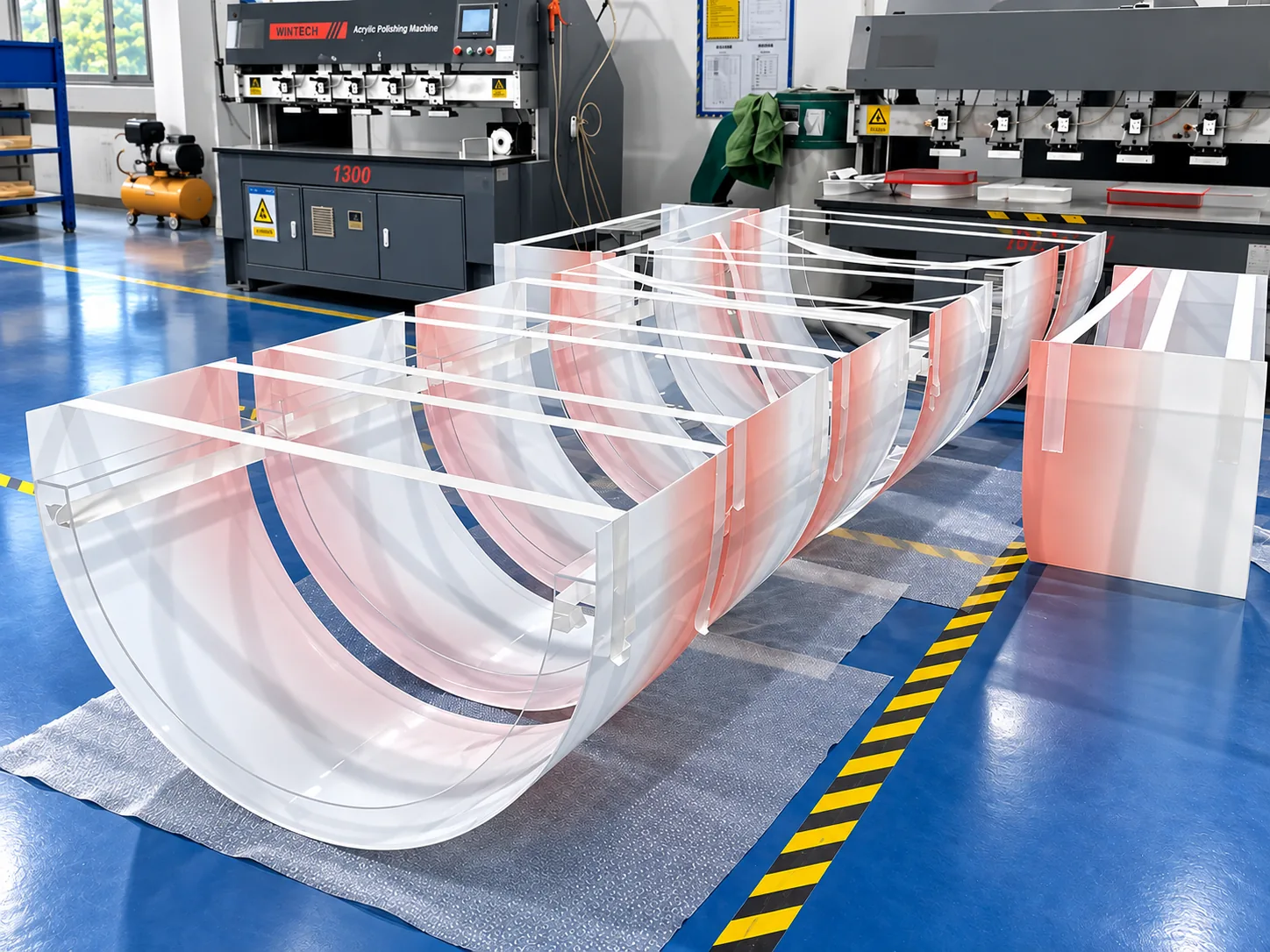 Prototype Development
Special POP, VM & Brand Activation Products
Campaign features, visual merchandising pieces, launch displays and branded props developed for specific retail, event and promotional applications.
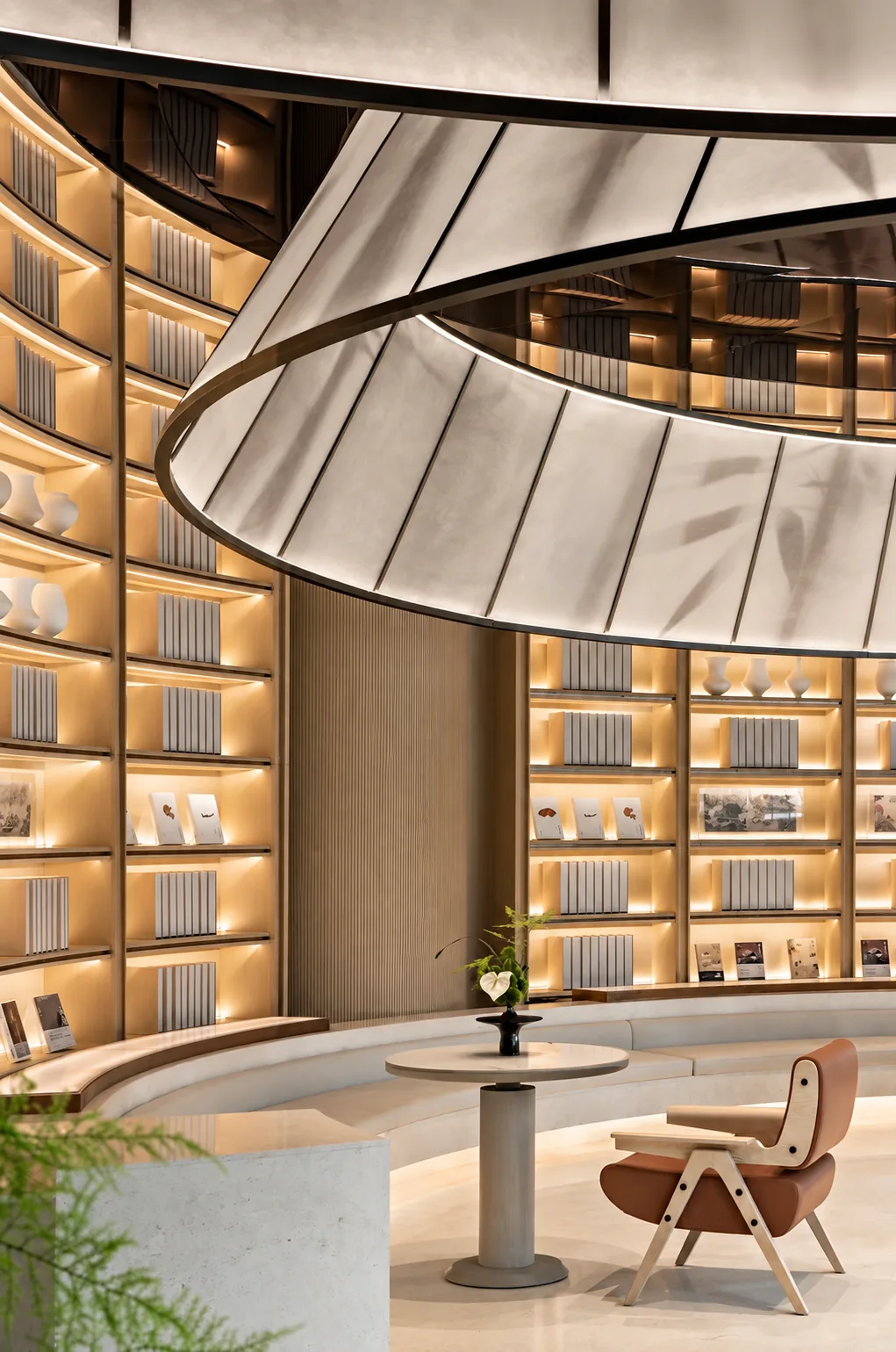 Prototype to Rollout
One-Time Development, Repeatable Production
A special product can begin as one custom prototype and later become a controlled production item for multiple stores, campaigns or repeat orders.
See How Special Designs Become Real Commercial Structures
Several of the custom product directions above are backed by real projects showing engineering development, structural decisions, manufacturing translation and commercial application.
Curved geometry, structural development, lighting and site integration.
View Project → Case Study 02 Custom Illuminated Ceiling FeatureSculptural form, internal metal frame and integrated illumination.
View Project → Case Study 03 Modular Illuminated Ceiling SystemLarge-format feature developed into coordinated production modules.
View Project → Case Study 04 Illuminated Acrylic Grille StorefrontRepeated acrylic elements, lighting and commercial storefront integration.
View Project →Different Inputs. One Development Path.
Custom products do not need to arrive as complete production packages. What matters is having enough information to begin defining the intended result.
I Have a Drawing
We review geometry, structure, interfaces, materials and manufacturing requirements before development moves forward.
I Have a Rendering
The visual design can be translated into practical structure, material, lighting and manufacturing decisions.
I Have a Physical Reference
Existing products or components can provide reference for structure, finish, dimensions and functional requirements.
I Have an Idea
Explain the intended use, effect and requirements so the missing technical decisions can be identified.
Acrylic May Be at the Core. The Final Product Does Not Need to Be Acrylic-Only.
Special commercial products frequently require several materials and processes to work as one complete product.
Acrylic
Transparency, color, formed geometry and precision fabrication.
Metal
Frames, brackets, supports and structural fabrication.
Wood
Decorative surfaces, fixture elements and material combinations.
LED & Lighting
Illumination, RGB effects and integrated lighting systems.
Graphics
Brand communication, printed surfaces and visual elements.
Hardware
Assembly, mounting, connection and functional components.
Custom Does Not Mean Uncontrolled
An unconventional product still needs a controlled path from design intent to approved physical product and repeatable production.
Project Input
Drawing, rendering, sample, image or concept.
Engineering
Structure, materials, lighting and component relationships.
Prototype
Build a physical version for review and evaluation.
Revision
Adjust details identified during prototype evaluation.
Approval
Establish the approved manufacturing reference.
Production
Fabrication, assembly, QC and project preparation.
Creative Concepts Still Need Real Manufacturing Control
Special products are supported by engineering, fabrication, assembly and inspection—not only by visual design.
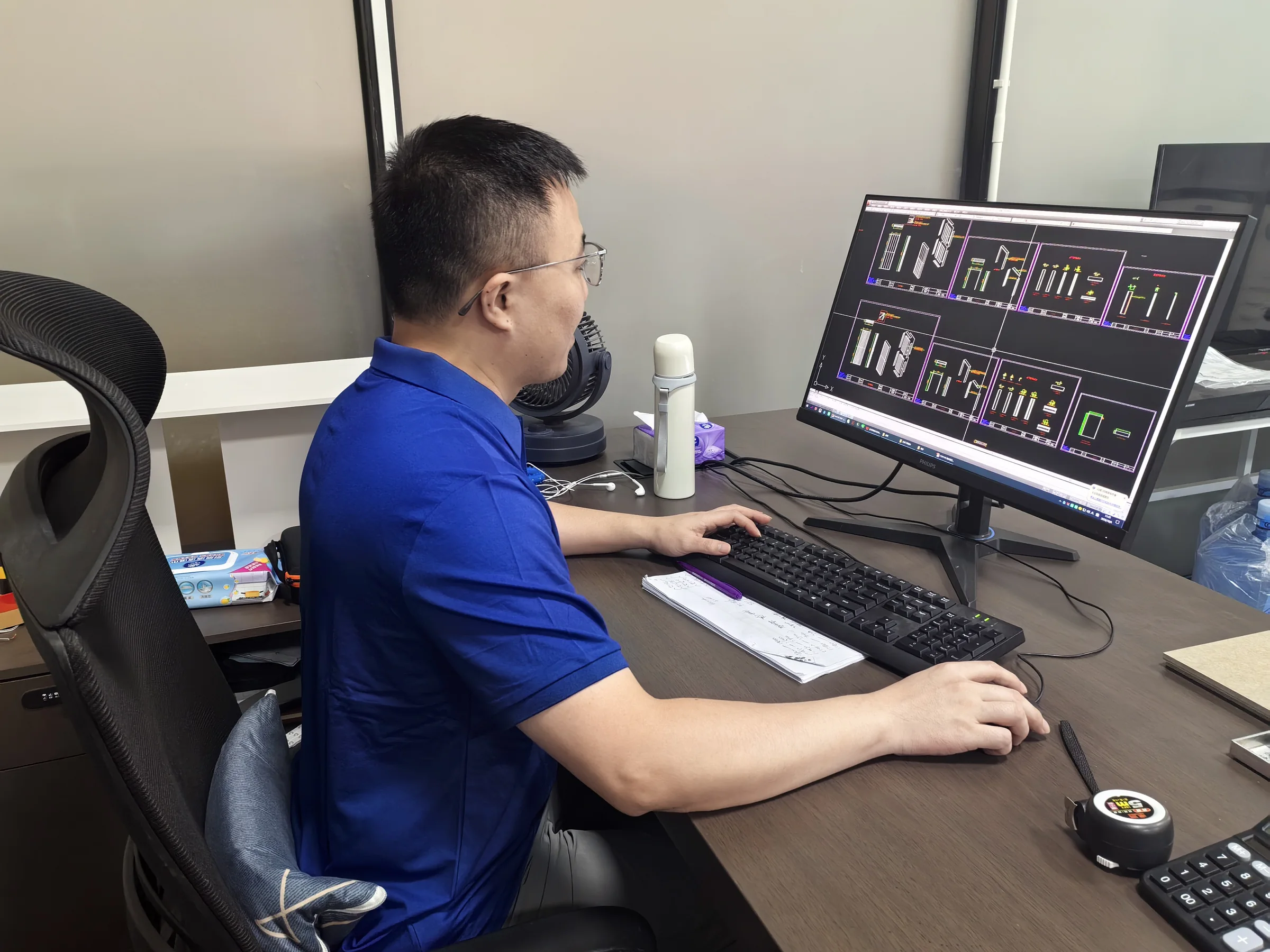
Engineering Development
Define geometry, structure and component relationships before production.
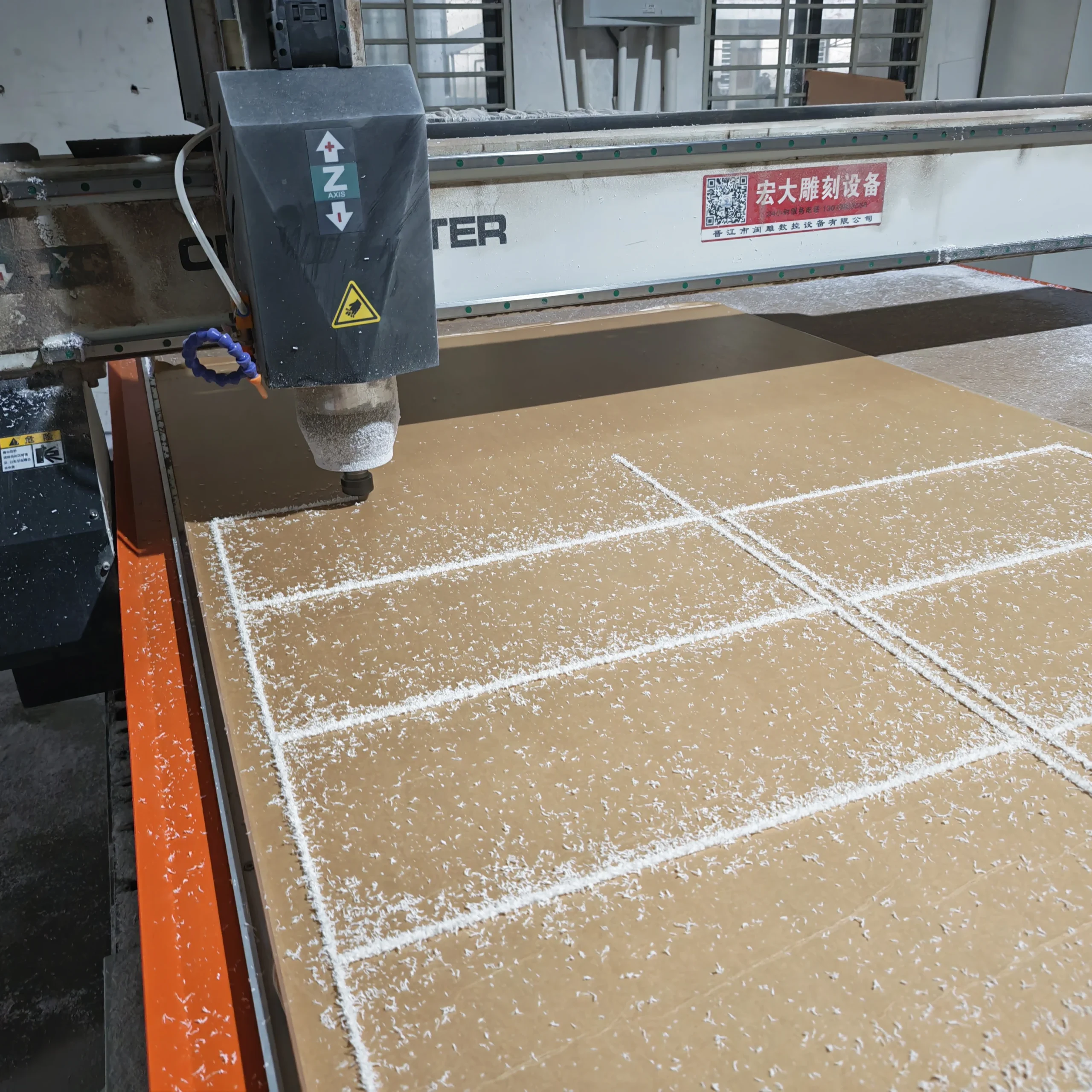
Precision Fabrication
Manufacture project-specific components around approved requirements.
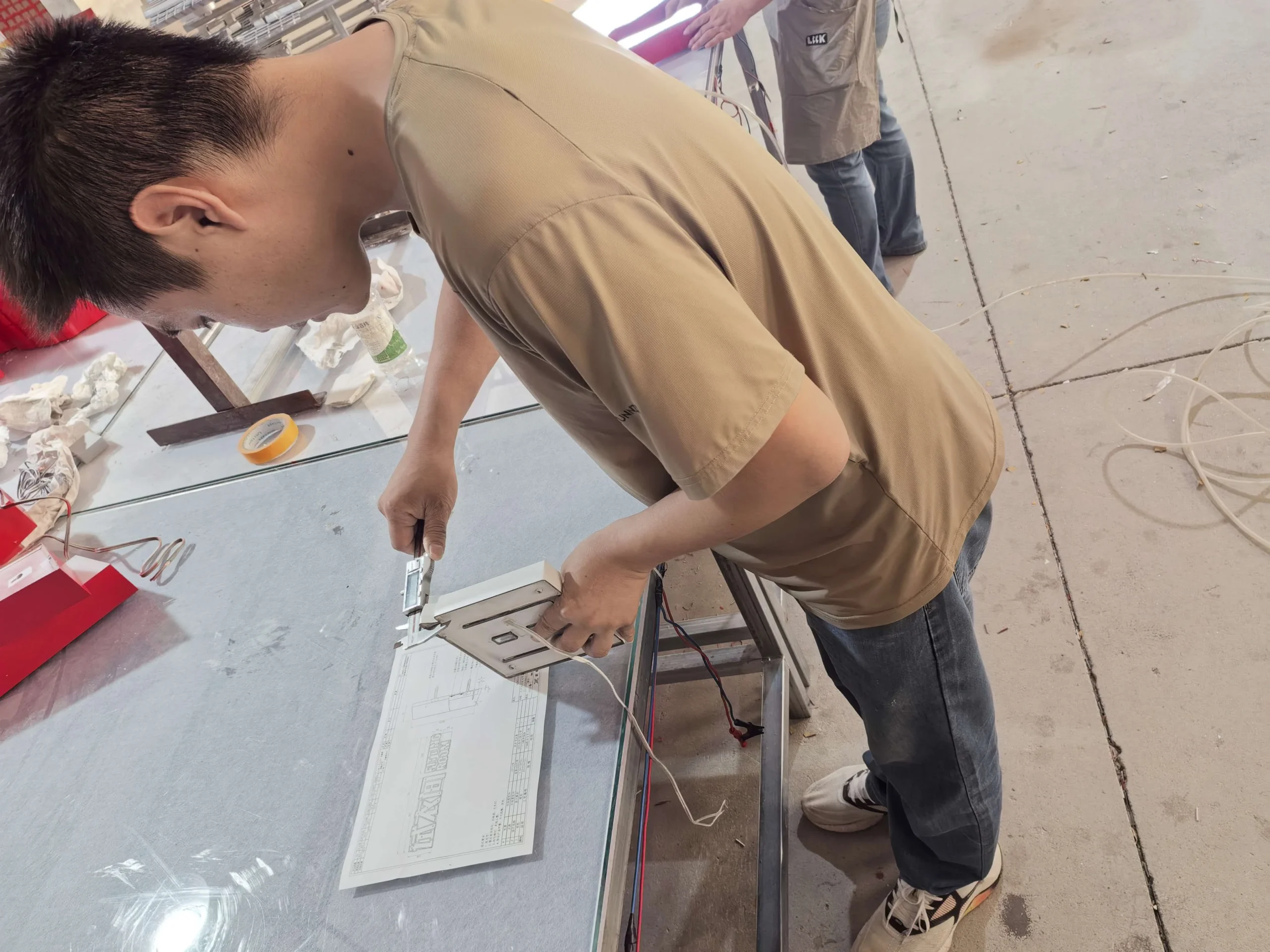
Dimensional Inspection
Check critical dimensions against approved project references.
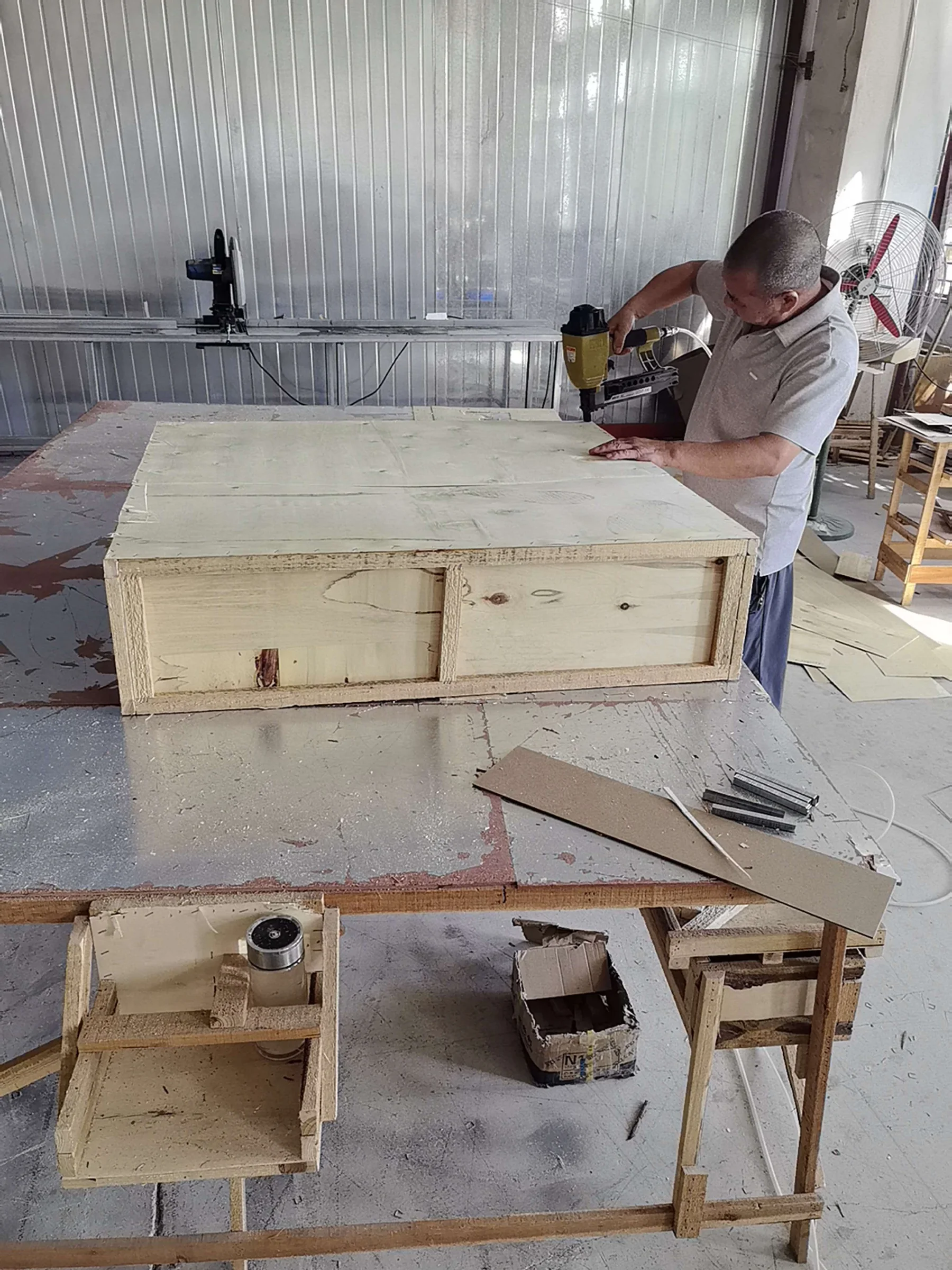
Project Packaging
Protect finished surfaces, components and project-specific assemblies.
Develop Once. Manufacture Again.
Some special projects are one-off builds. Others need to be reproduced across stores, campaigns, project phases or repeat orders.
Develop the first physical version.
Correct details identified during physical evaluation.
Establish the approved product reference.
Check the first production result against the approved reference.
Manufacture repeated products under controlled requirements.
Use retained project references for future manufacturing.
Common Questions About Special Custom Products & Projects
Practical questions from brands, contractors, designers, project buyers and manufacturing partners before a non-standard concept moves into engineering, prototyping and production.
Can you manufacture a custom product if I only have a rendering or concept?
Yes. A project does not need to begin with a complete production drawing. We can review a rendering, sketch, reference image, physical sample, dimensions or an initial concept to understand the intended appearance, function and commercial application.
The next step is to identify the missing technical details, such as structure, material, thickness, lighting, interfaces, hardware, assembly and production method. More complex concepts can move through our Engineering & DFM process before prototyping.
Can a custom project combine acrylic with metal, wood, lighting and hardware?
Yes. Many special commercial products are multi-material structures rather than acrylic-only products. Depending on the project, acrylic can be combined with metal frames, wood components, LED lighting, printed graphics, mounting hardware and other functional parts.
Material selection should follow the required appearance, strength, manufacturing process, assembly method and final commercial environment. You can also review our Materials & Finishes capability.
Can you develop a prototype before committing to production?
Yes. Prototyping is especially useful for non-standard products because it allows structure, dimensions, materials, lighting, interfaces, appearance and assembly details to be evaluated before repeat manufacturing begins.
Prototype development is typically around 15 days, depending on project complexity, materials, components, fabrication requirements and revisions. See our Prototype & Sampling process for more detail.
Can you manufacture one-off custom projects as well as repeat production?
Yes. Some projects are developed as one-time commercial installations or special features, while others begin as a custom prototype and later move into repeat production for stores, campaigns, project phases or replenishment.
The manufacturing approach depends on the project itself. Where repeat production is required, the approved structure, drawings, materials, finishes, components and quality references can be retained for future manufacturing.
What is the MOQ for a special custom project?
There is no single fixed MOQ for every special custom project. Practical order quantity depends on the product structure, dimensions, materials, fabrication processes, components, setup requirements, packaging and the expected production quantity.
A one-off engineered installation and a repeatable retail product have very different manufacturing conditions. Send the expected quantity together with your drawing, rendering, reference image, sample or concept and we can review the appropriate production route.
How do you keep a custom product consistent when it moves into repeat production?
Repeatability begins with an approved physical and technical reference. Depending on the project, the control path can include prototype review, revision, Golden Sample approval, First Article inspection and batch production against the approved specification.
Dimensions, materials, visible finishes, component fit, assembly and other critical requirements can then be checked during production. See our Quality Control process and Retail Display Rollout Programs for projects that need repeat manufacturing across multiple locations.
Have a Custom Product That Does Not Fit a Standard Category?
Send your drawing, rendering, reference image, sample or concept. We can review the structure, materials, lighting, manufacturing feasibility and practical development path.