
Custom Acrylic Displays Built Around the Product You Need to Present.
GREAT ACRYLICS engineers and manufactures custom acrylic displays for retail brands, display companies, distributors and commercial merchandising projects — from simple stands and risers to branded multi-component display systems.
A Good Display Starts with the Merchandise, Not the Acrylic Sheet.
Display development should begin with what needs to be presented: product dimensions, weight distribution, viewing angles, customer interaction, branding and the available retail footprint.
Those requirements then guide acrylic thickness, support structure, joints, fabrication methods, graphic integration and packaging decisions.
Rather than forcing a project into a generic catalogue stand, we develop the display around the physical merchandise and intended commercial use.
Acrylic Display Formats for Different Retail Applications
Existing display formats can be adapted or a new structure can be developed around product geometry, merchandising requirements and brand presentation.
Acrylic Display Stands
Product-specific stands for counters, shelves, showcases and branded presentation areas.
Counter · Shelf · ShowcaseCountertop Displays
Counter units for testers, product launches, promotional placements and organized SKU presentation.
POS · Tester · LaunchRetail & POP Displays
Branded merchandising structures for retail campaigns, product launches and repeat commercial programs.
Retail · POP · CampaignAcrylic Display Cases
Transparent cases and covers where product visibility and physical protection are both important.
Protection · PresentationRisers & Plinths
Single-level and tiered structures used to establish clearer product hierarchy and presentation height.
Tiering · VisibilityCustom Display Systems
Multi-component displays developed from drawings, samples, references or early product concepts.
Drawing · Sample · Concept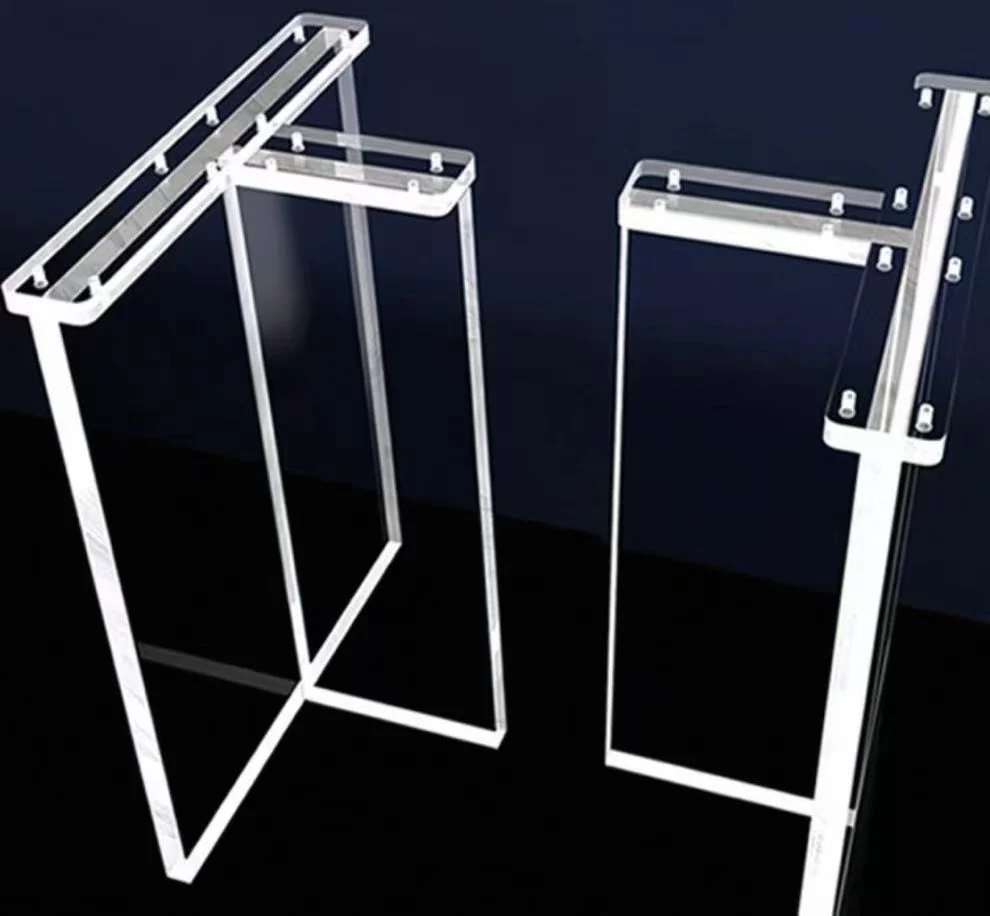
The Display Should Support the Product — Not Compete with It.
Effective acrylic display engineering balances visual transparency with product support, stability, accessibility and efficient use of the available retail footprint.
Different Merchandise Requires Different Display Structures
Acrylic fabrication can support a wide range of retail presentation formats without forcing every project into the same structure.
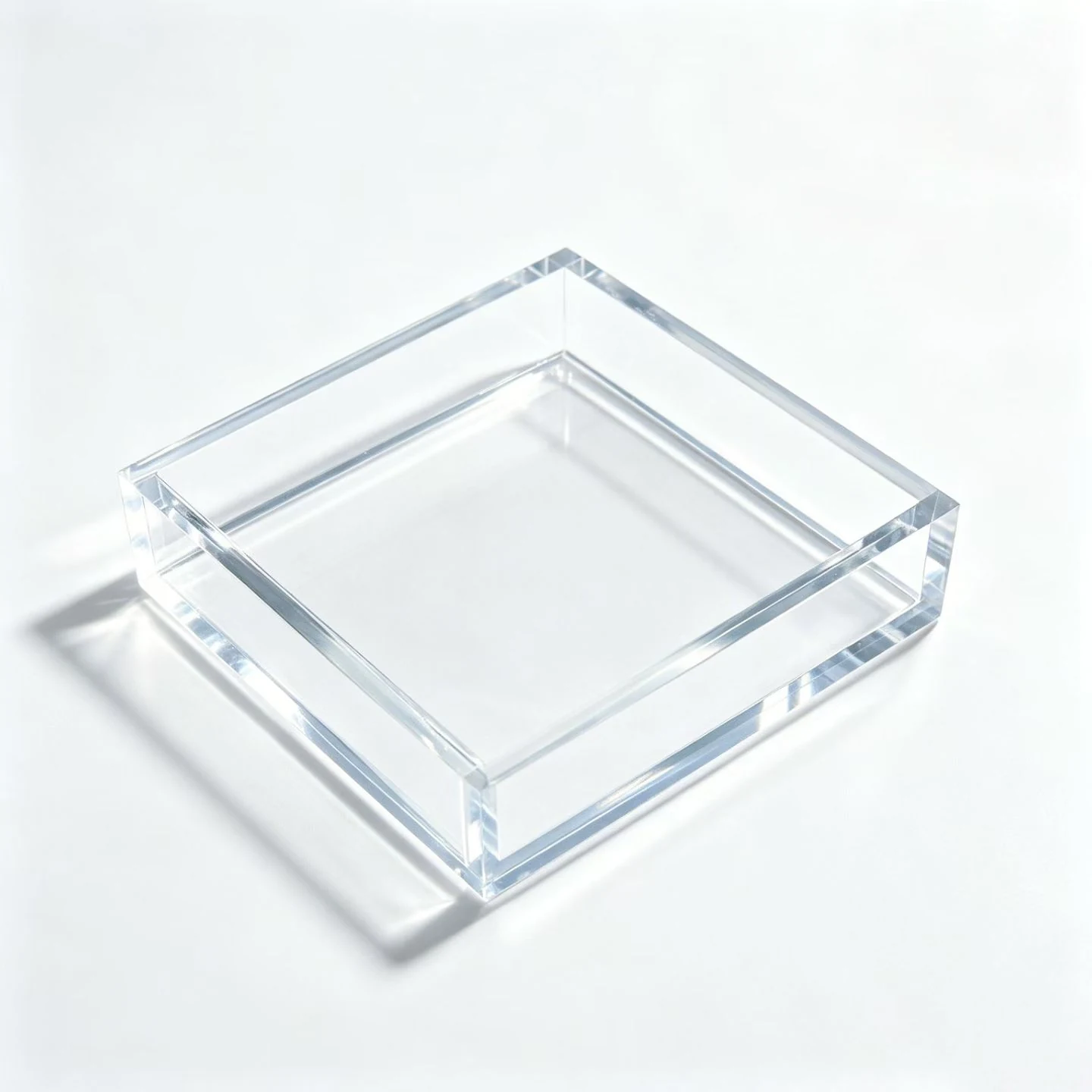
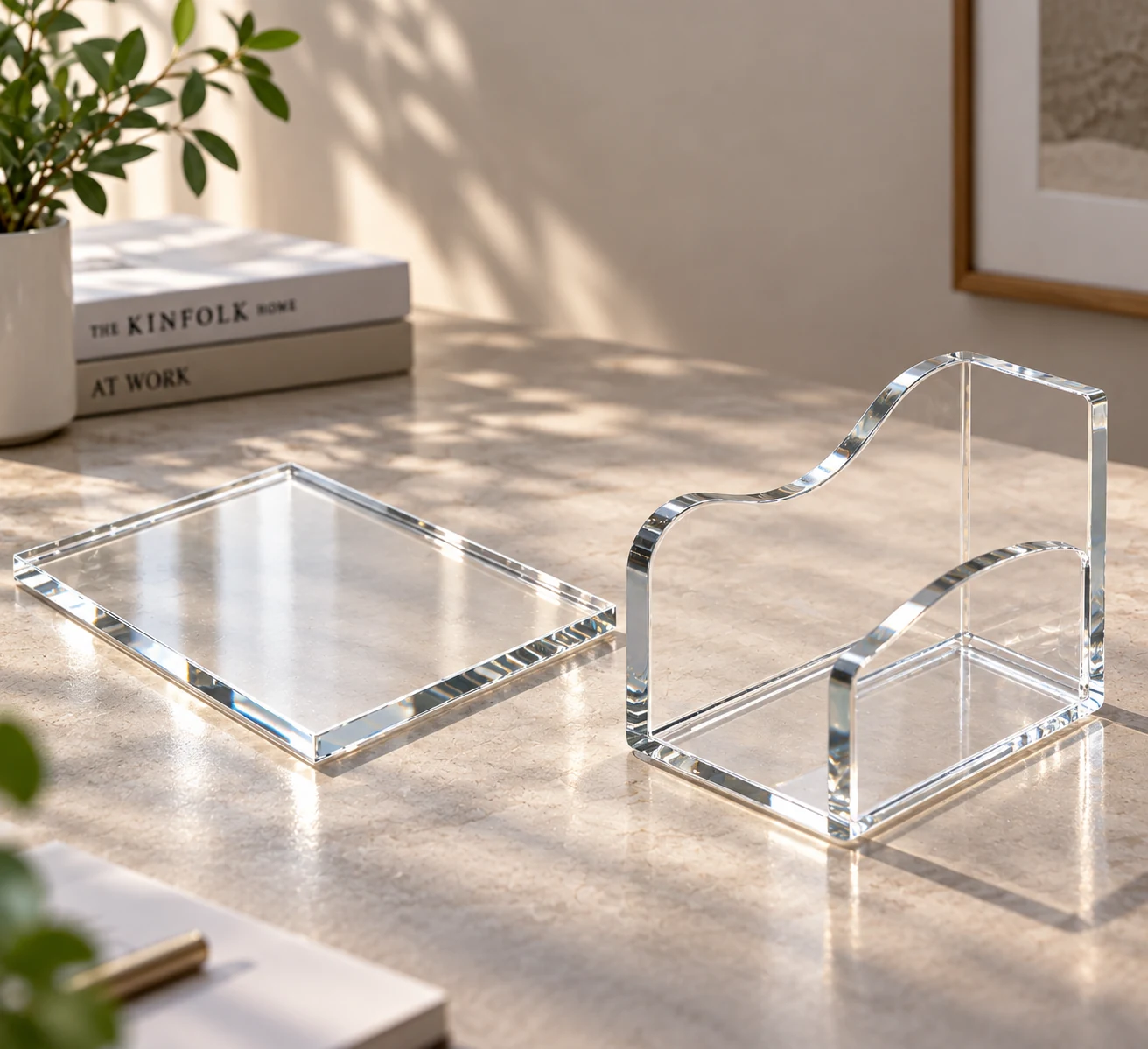
Display Trays & Organizers
Countertop structures for organized presentation of cosmetics, accessories and packaged merchandise.
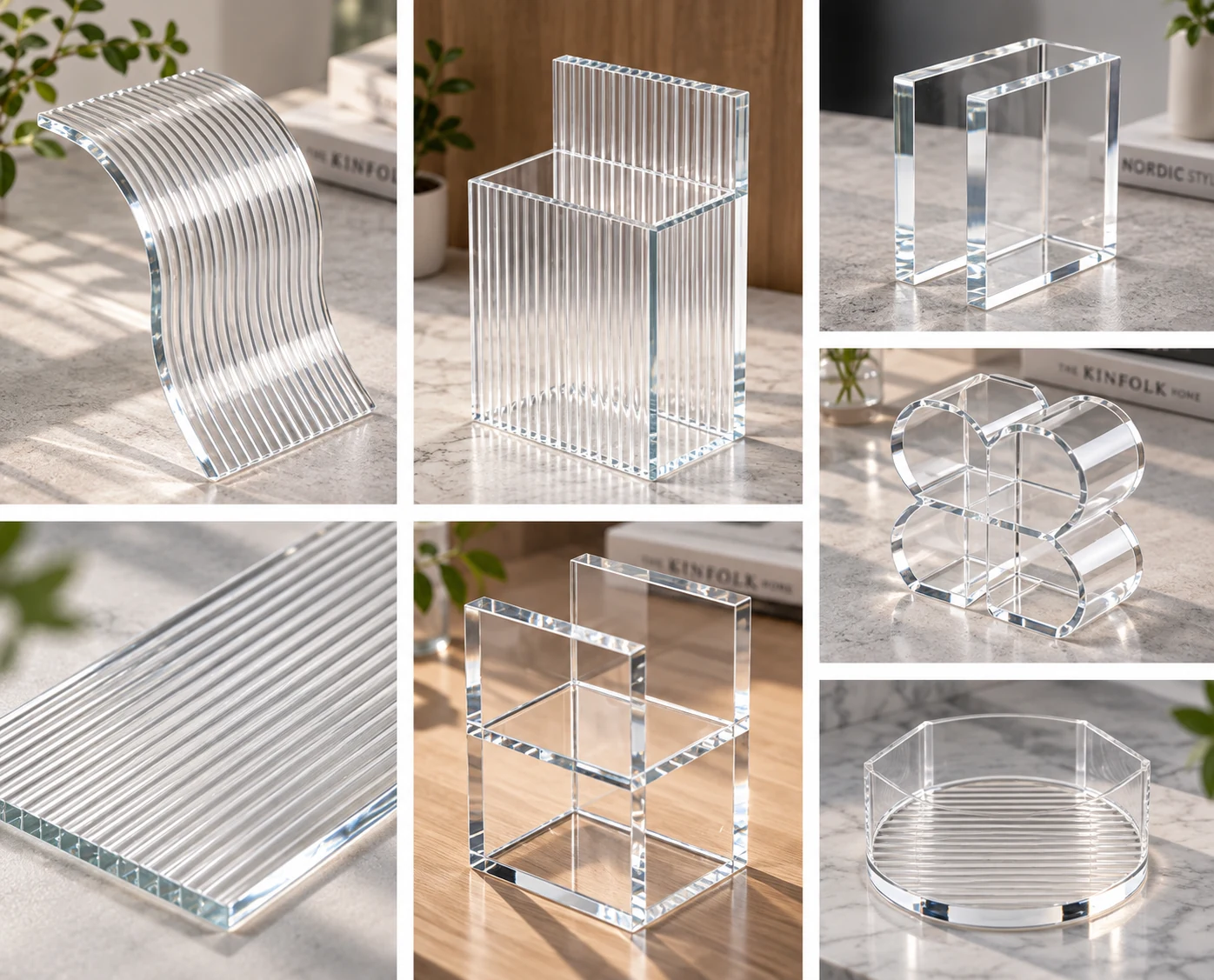
Risers & Presentation Stands
Elevated structures that establish product hierarchy while keeping merchandise visually prominent.
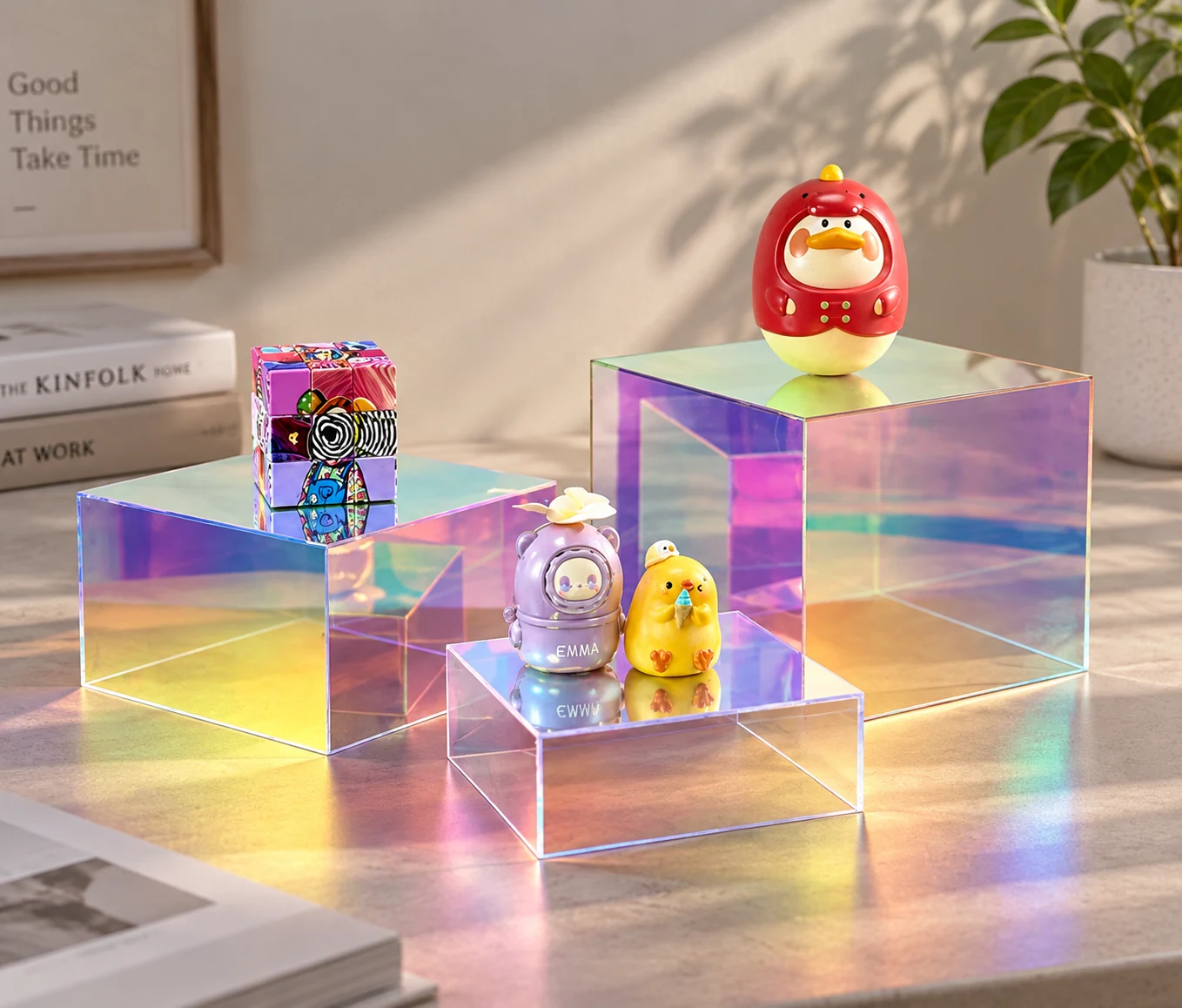
Specialty Acrylic Displays
Colored, frosted, mirror and specialty acrylic can support stronger visual differentiation.
Tiered Displays
Multi-level presentation structures that improve visibility across multiple products or SKUs.
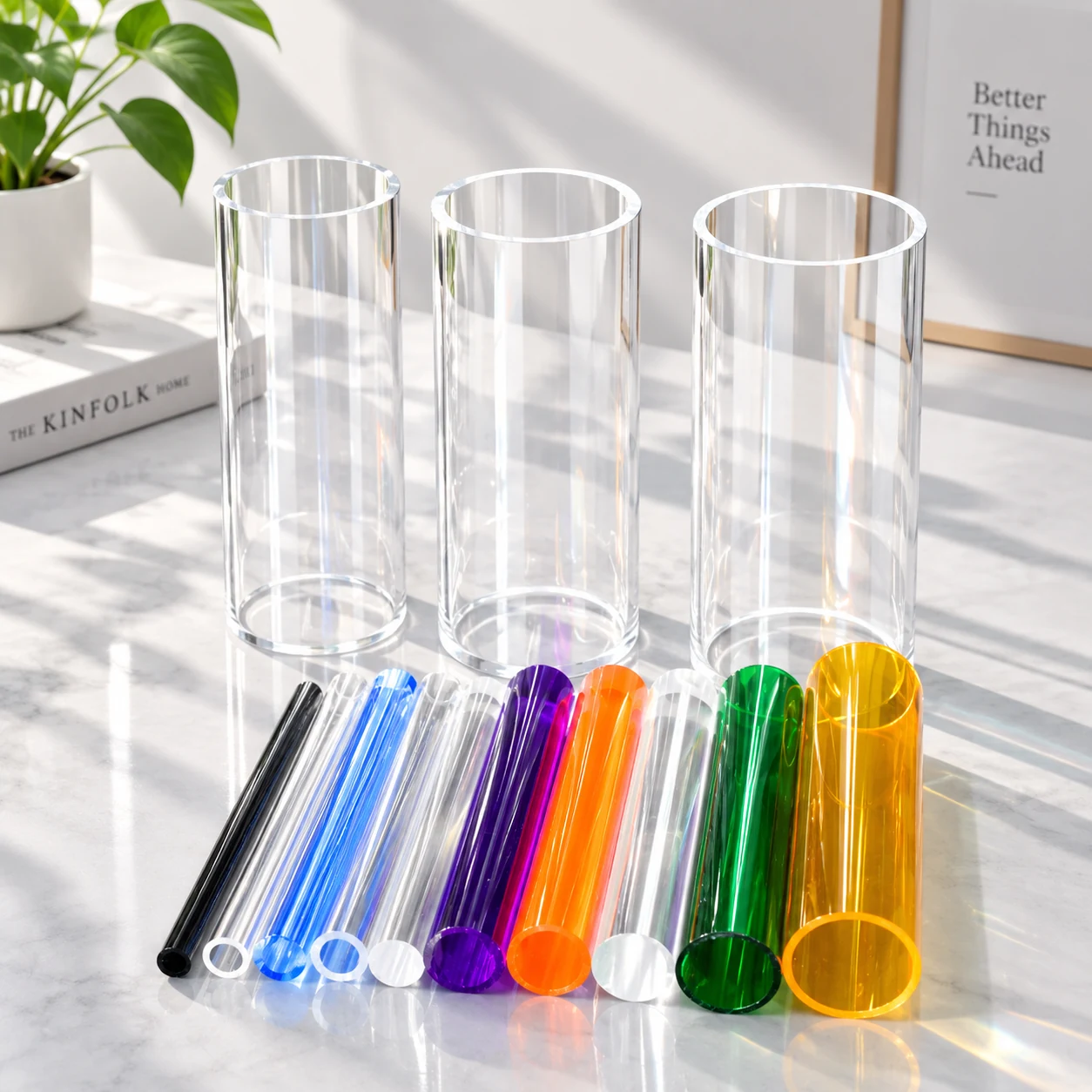
Formed & Fabricated Components
Tubes, blocks and shaped components can form part of more specialized display structures.
Complete Merchandising Displays
Larger display systems can combine acrylic, graphics, hardware and supporting components.
Questions We Resolve Before the Display Reaches Production
Structural decisions made early in development affect product fit, stability, manufacturing repeatability, packing efficiency and practical retail use.
Product Load & Geometry
Weight, span and shape influence material thickness, support points and structural configuration.
Retail Footprint
Overall dimensions are reviewed against counter, shelf or display-space constraints.
Viewing & Access
Product position, incline and tiering can be adjusted around visibility and customer interaction.
Joints & Assembly
Bonded, fabricated or mechanically assembled structures are selected according to the product design.
Branding Integration
Graphics and brand elements are considered together with the physical display structure.
Packing & K/D Potential
Where suitable, modular or knock-down construction can simplify packing and reduce unnecessary shipping volume.
From Digital Geometry to Physical Display Components
Custom display manufacturing depends on translating approved dimensions and structural requirements into repeatable fabricated components before assembly and final inspection.
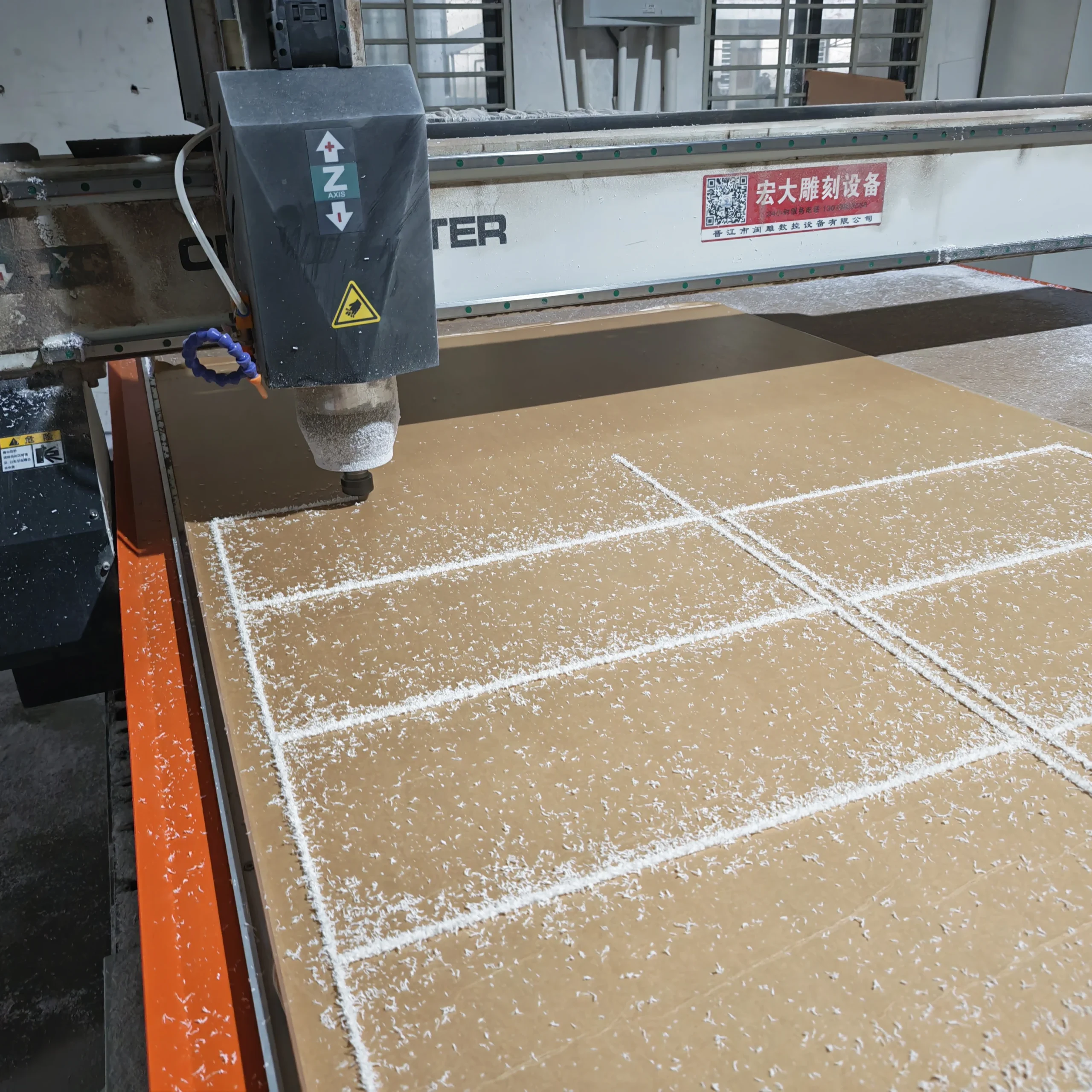
Controlled Geometry for Custom Components
CNC processing supports project-specific shapes, openings, grooves and component geometry according to the approved product requirement.
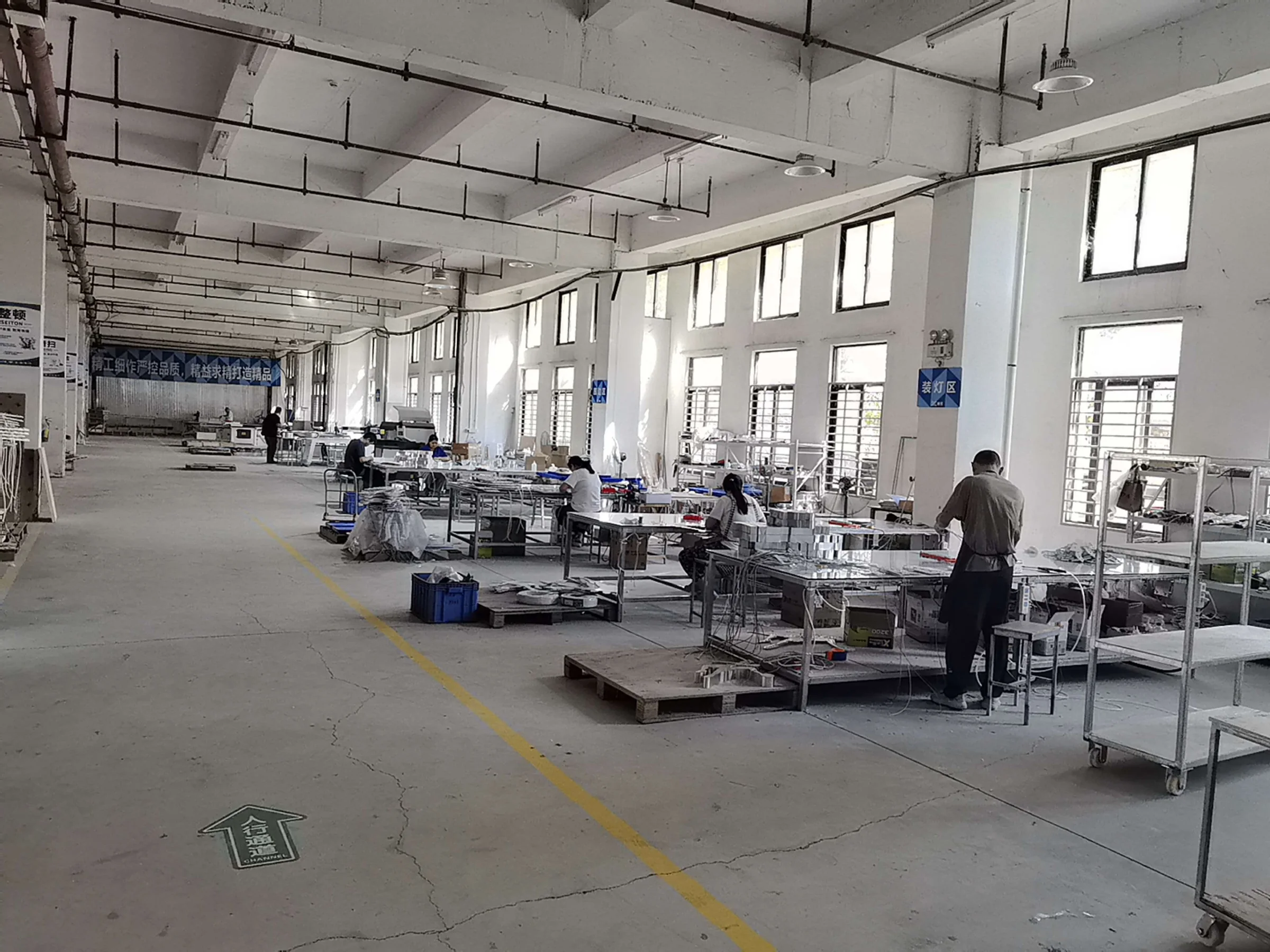
Prototype to Batch Manufacturing
Acrylic fabrication can be combined with assembly, graphics, lighting and other project processes according to the approved display specification.
Material Selection Affects Appearance, Structure and Use
Acrylic type, transparency, thickness and finishing direction are selected according to the display structure, merchandise and required visual result.
Clear Acrylic
High-clarity presentation where the merchandise should remain visually dominant.
Colored & Tinted Acrylic
Opaque, translucent and transparent color directions for stronger brand or campaign alignment.
Matte & Frosted Finishes
Diffused surfaces for a softer visual appearance and reduced transparent effect.
Mirror Acrylic
Reflective accents, backing and decorative presentation elements.
Edge & Surface Finishing
Finishing methods selected around visible edges, geometry and required appearance.
Multi-Material Integration
Acrylic can be combined with PETG, metal, wood, graphics, lighting and hardware.
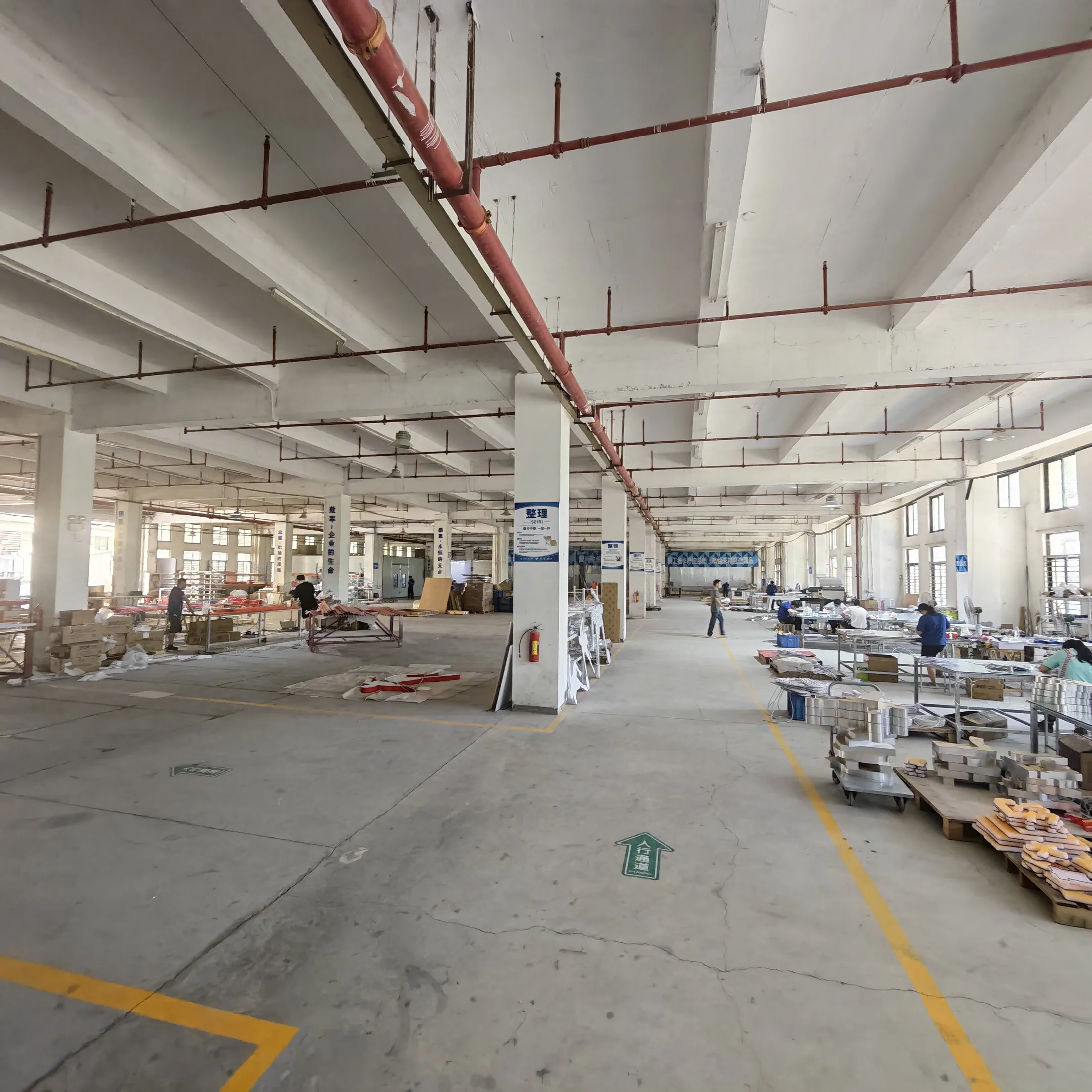
Branding Can Be Built into the Display
Brand identity can be integrated through graphics, engraving, layered elements and replaceable components depending on the intended appearance and campaign requirements.
From Product Input to an Approved Manufacturing Reference
Finished CAD is not required to start. A project can begin from drawings, merchandise, a physical sample, reference images or an early concept.
Project Input
Merchandise, dimensions, drawing, sample, reference or concept.
Engineering Review
Structure, materials, joints, fit and manufacturing feasibility.
Prototype
Physical sample for fit, structure, appearance and functional review.
Golden Sample
Approved physical reference before repeat manufacturing begins.
Repeat Manufacturing
Customized production against agreed project requirements.
The Approved Display Still Needs to Be Checked and Protected
Repeat manufacturing requires more than matching the general appearance. Dimensions, visible details and protective packing all affect whether the finished display reaches the project in the intended condition.
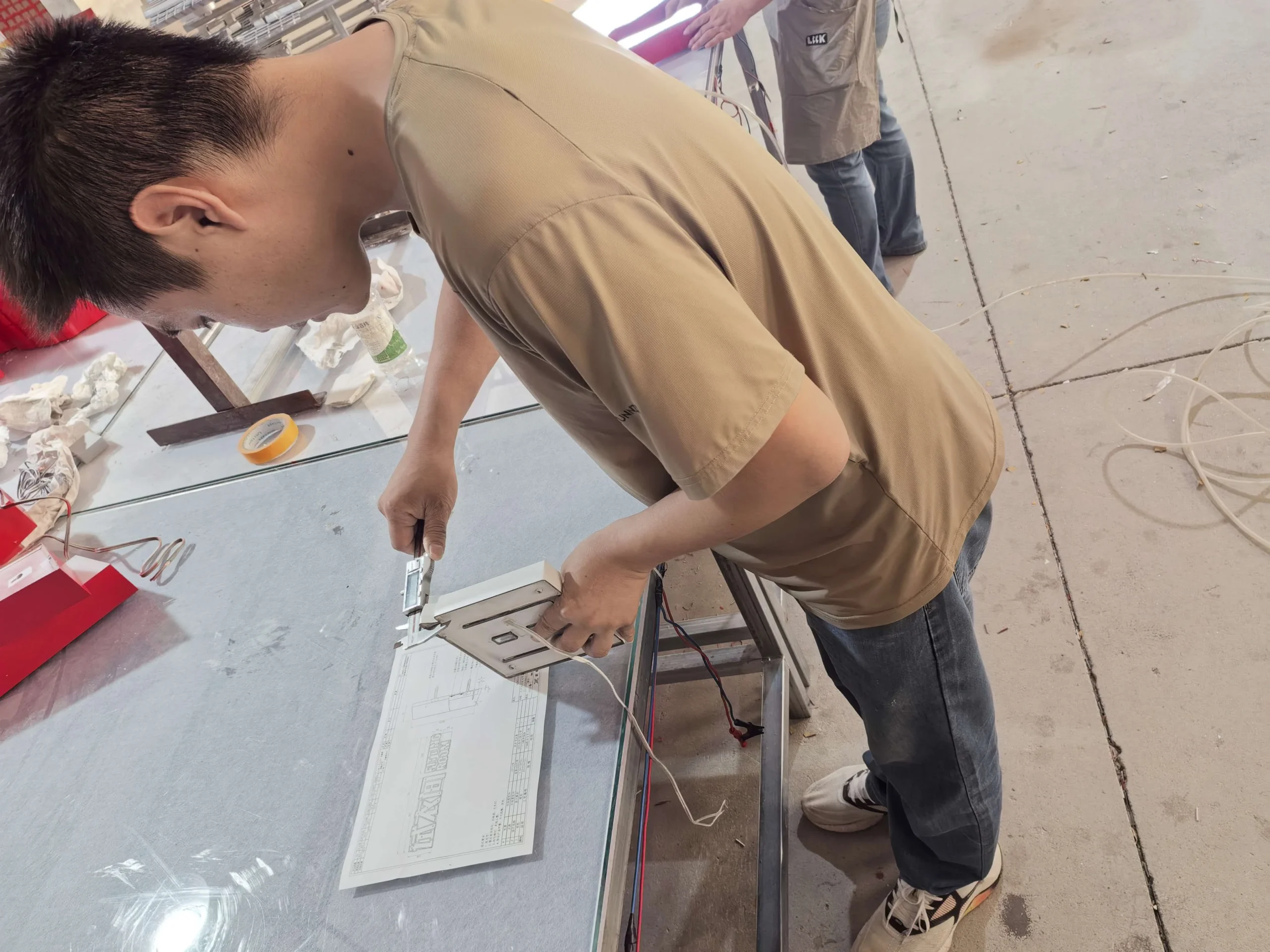
Check Against the Approved Reference
Critical dimensions and project details can be checked against approved drawings, specifications and sample references.
View Quality Control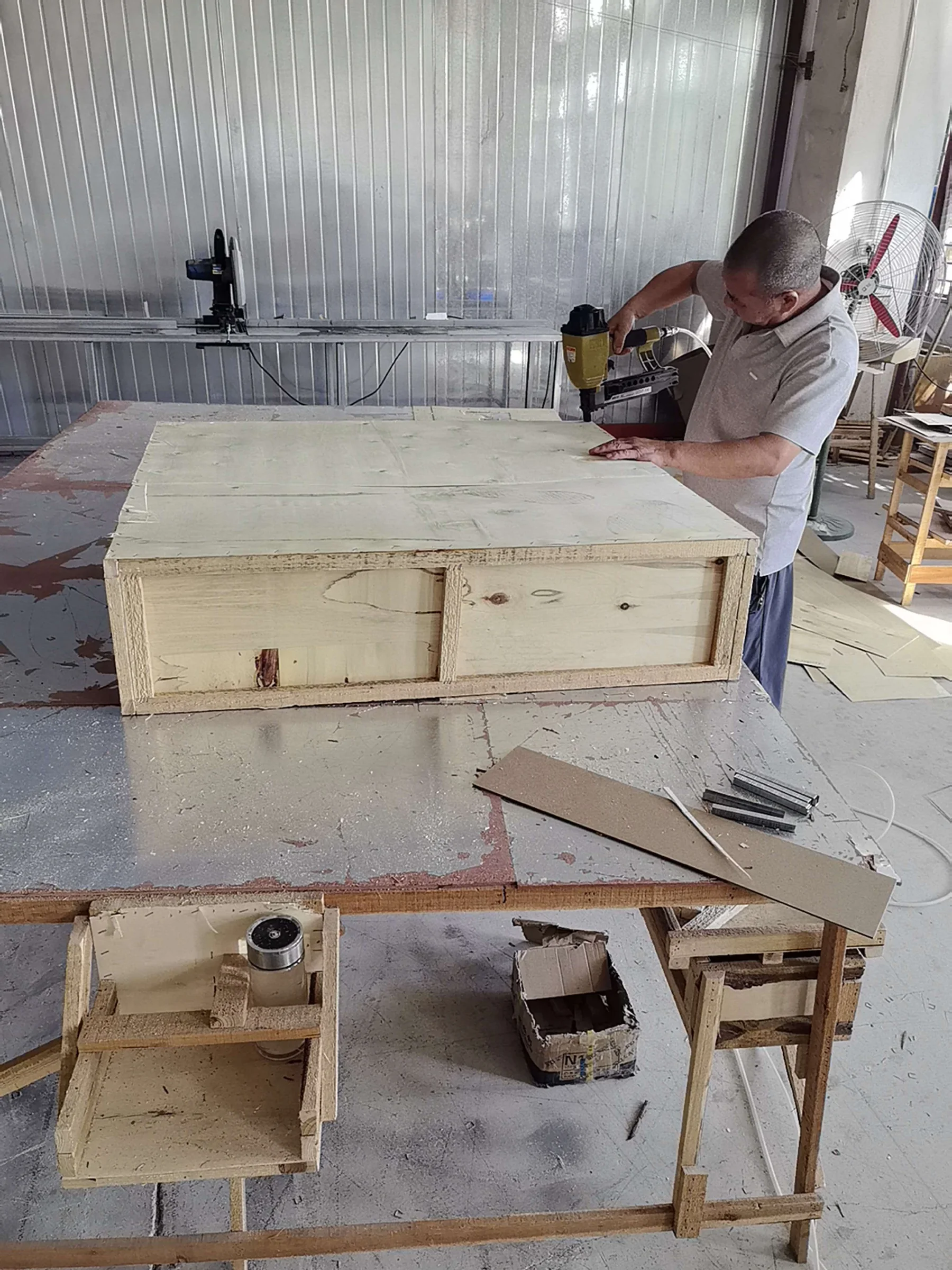
Protection Designed Around the Display
Surface protection, internal cushioning and carton configuration can be selected according to product geometry and shipment requirements.
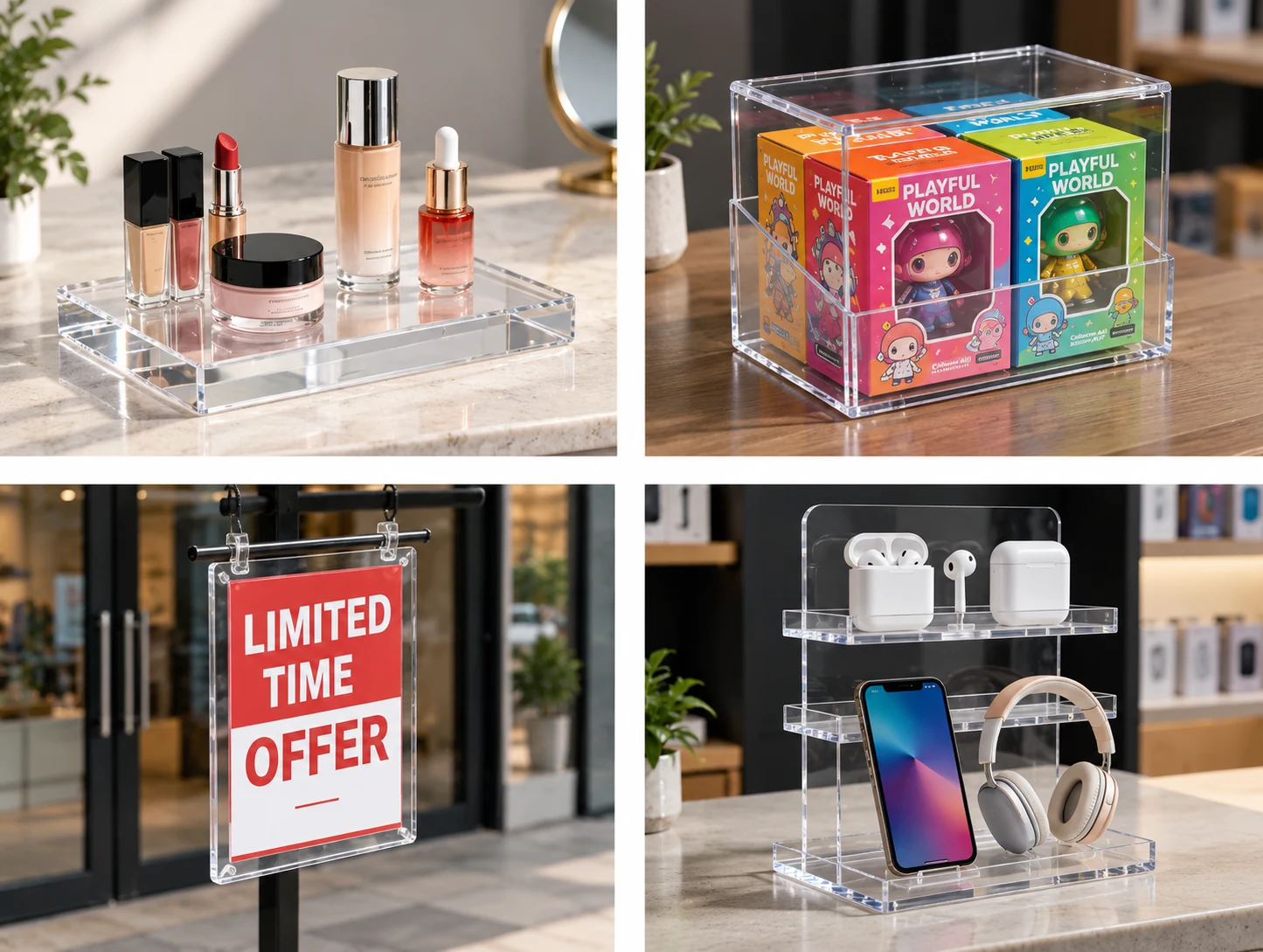
Packaging & ShippingAcrylic Displays Across Different Merchandise Categories
Display structures can be developed around the product, presentation standard and operating requirements of different retail categories.
Questions About Custom Acrylic Display Manufacturing
Common questions from retail brands, display companies and commercial buyers developing custom acrylic displays for retail and visual merchandising projects.
Can you manufacture custom acrylic displays from drawings, samples or reference images?
Yes. Projects can begin from technical drawings, physical samples, reference images, product dimensions or an early concept. We review product fit, structure, materials, joints and manufacturing feasibility before moving into prototype development. For projects that require additional structural development, see our Engineering & DFM support.
What types of acrylic displays can you manufacture for retail stores?
We manufacture custom acrylic display stands, countertop displays, POS and promotional displays, risers, product trays, display cases and multi-component merchandising systems. The structure can be developed around the merchandise, available retail footprint, branding requirements and intended customer interaction.
How do you determine the right acrylic thickness for a retail display?
Acrylic thickness depends on factors such as product weight, unsupported span, overall dimensions, structural geometry, fastening or bonding method and the intended retail use. Thickness should therefore be selected as part of the display structure rather than treated as an isolated material specification. See our acrylic thickness guide for retail displays for additional guidance.
Can acrylic retail displays include metal, wood, graphics or LED lighting?
Yes. Acrylic can be integrated with metal structures, wood components, printed graphics, hardware and lighting when the display requires additional structural or visual elements. Material combinations are selected according to the product design, required appearance and manufacturing method. You can review additional options on our Materials & Finishes page.
How long does it take to develop a custom acrylic display prototype?
Typical prototype development is approximately 15 days, depending on the display complexity, materials, integrated components and revision requirements. The prototype provides a physical reference for reviewing product fit, structure, appearance and function before repeat production. Learn more about our Prototype & Sampling process.
Can you manufacture acrylic displays for repeat orders or multi-store retail rollouts?
Yes. After prototype approval, the approved sample and project specifications can be used as manufacturing references for repeat production. Quality checks, project-specific packaging and shipment preparation can also be planned around larger retail programs. For multi-location projects, see our Retail Display Rollout Programs .
Have a specific display requirement? Send the merchandise dimensions, drawing, physical sample or reference image through our project inquiry and we can review the practical manufacturing route.
Have a Product That Needs a Custom Acrylic Display?
Send us the merchandise dimensions, drawing, physical sample, reference image or concept. We can review the display structure, material direction and practical route toward prototype development and production.