Custom Prototype & Sampling for Retail Displays
Turn drawings, physical samples, renderings and product concepts into physical prototypes that can be reviewed, refined and approved before repeat production.
Prototype development helps confirm dimensions, materials, appearance, fit, assembly and project-specific details before those decisions are repeated across a production run.
A Prototype Is a Decision Tool, Not Just a Sample
A prototype gives the project team something physical to review. It helps turn assumptions from drawings, renderings or reference images into decisions that can be checked in real dimensions.
The purpose is not simply to produce one piece. The purpose is to resolve the product details that need to remain consistent when repeat manufacturing begins.
Dimensions, material, appearance, assembly, branding and packaging are easier to refine during product development than after a batch has entered production.
Different Projects Start at Different Stages
You do not need a completed production package before the first conversation. We can review the project information already available and identify what still needs to be confirmed.
Technical Drawing
Existing dimensions, structures and specifications can provide the starting point for prototype development.
Physical Sample
An existing product can provide reference information for dimensions, structure, materials and visible details.
Rendering or Reference
Renderings, photos and sketches can communicate the intended appearance and product direction.
Early Concept
Tell us what the display needs to present, support or achieve and which details are already known.
From Project Input to an Approved Production Reference
A structured sampling process separates development decisions from production execution and creates a clearer handover once the sample is approved.
Project Input
Review the drawing, sample, rendering, concept and available project requirements.
Technical Review
Clarify dimensions, materials, structure, interfaces and other open development questions.
Prototype Build
Produce the first physical sample using the agreed development direction.
Sample Evaluation
Review dimensions, appearance, fit, function and relevant manufacturing details.
Revision
Update agreed details where the prototype identifies a necessary change.
Approval
Confirm the approved sample and specification for production release.
What Should Be Confirmed at the Sample Stage?
The exact review checklist depends on the project, but the prototype should help resolve the details that affect how the finished product looks, fits, functions and moves into repeat production.
Confirm critical dimensions, clearances, proportions and relationships with other components.
Review whether the selected material supports the intended structure, appearance and handling.
Review visible surfaces, edges, color, graphics and other appearance-sensitive details.
Confirm joints, hardware, access, mounting and how the product functions in real use.
Confirm logo placement, graphic scale, color references and brand-specific presentation requirements.
Review protection, component separation, hardware handling and packing requirements where relevant.
From Technical Review to Physical Verification
Prototype development connects technical decisions with a real product that can be inspected before those decisions are repeated across batch production.
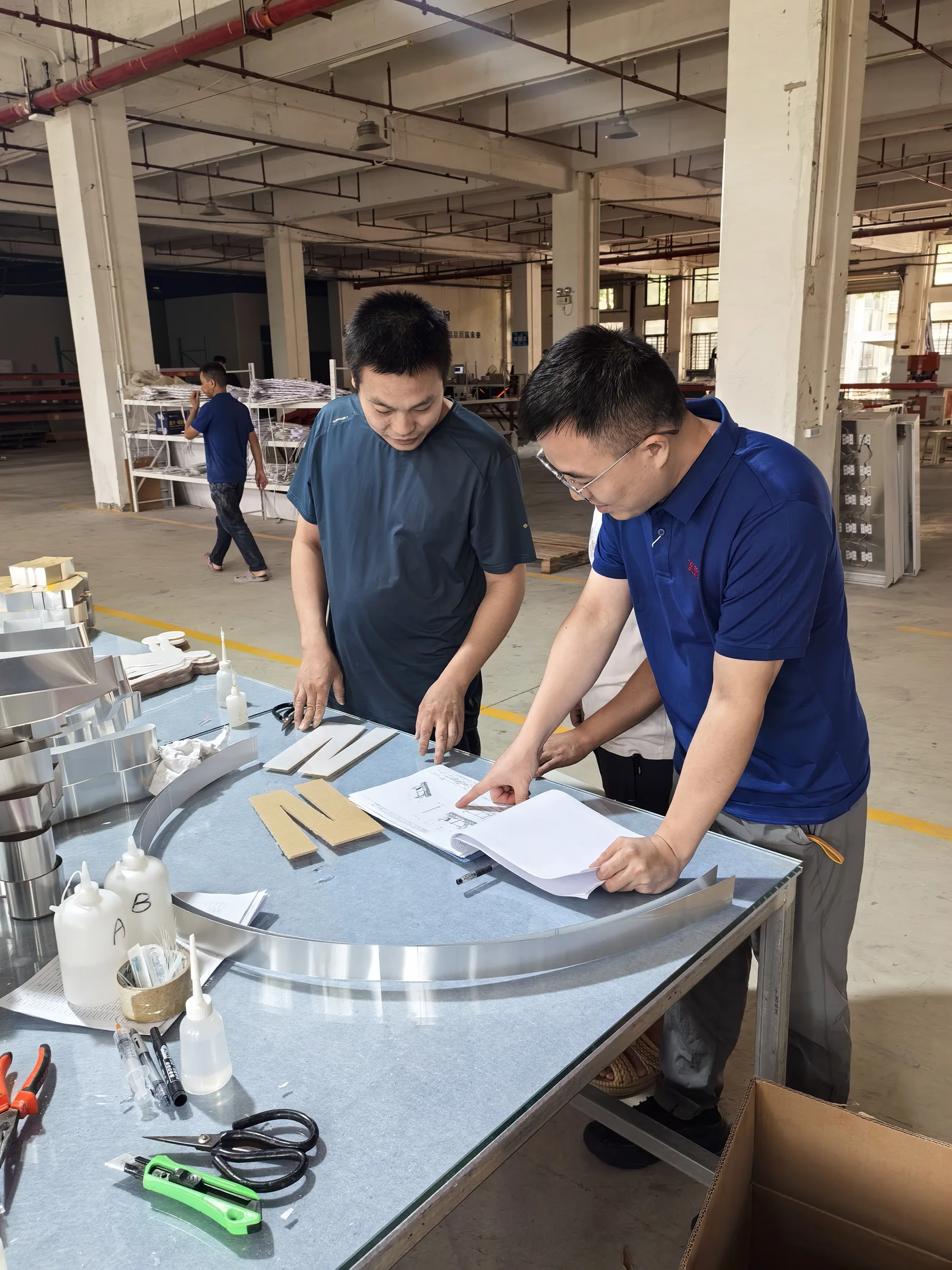
Review the Technical Direction
Dimensions, materials, structure and open technical questions should be clarified before the prototype is built.
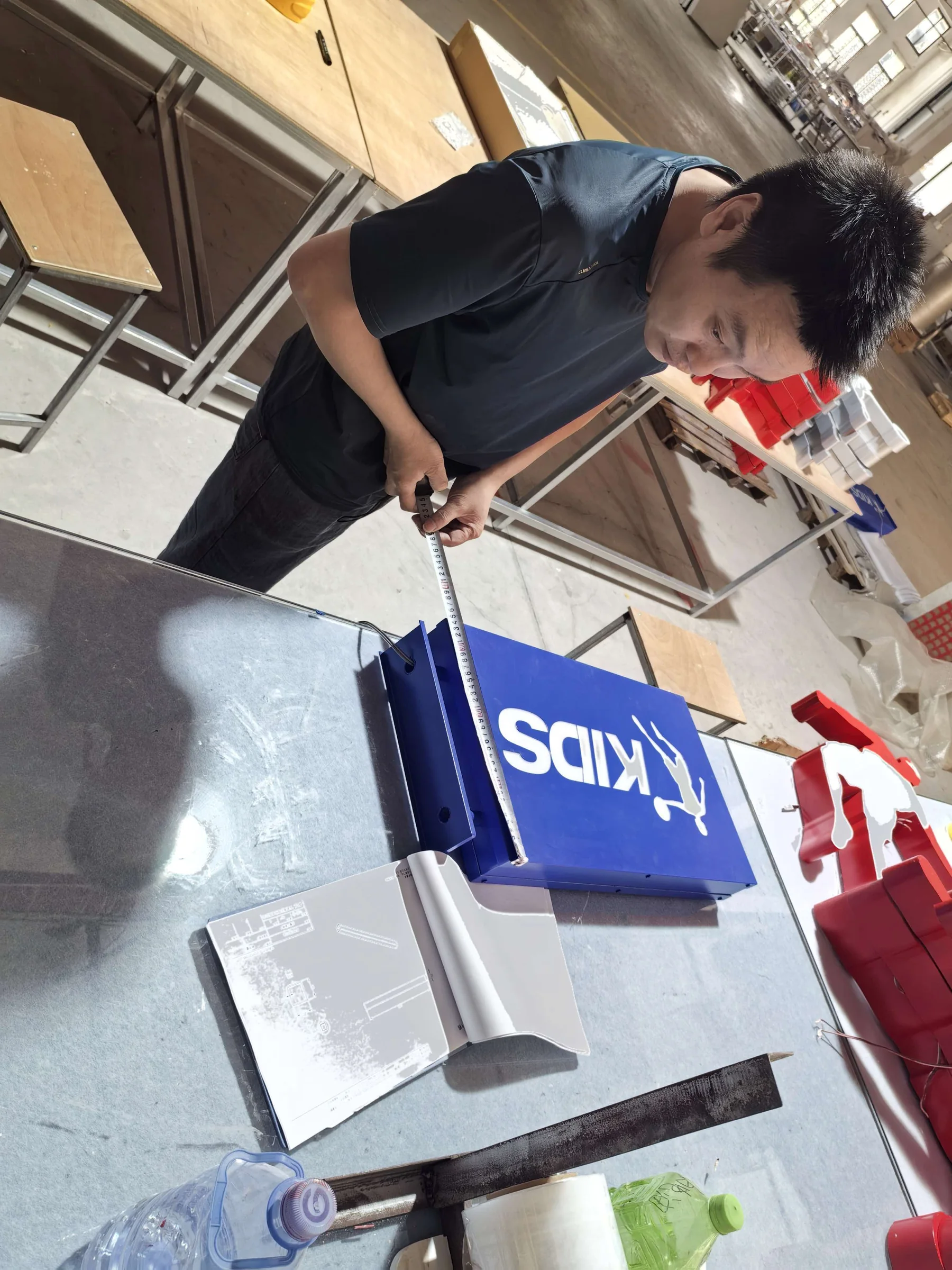
Check the Product in Physical Form
A physical reference makes it possible to review dimensions, visible workmanship, fit and final product condition.
The Prototype Is for Development. The Approved Reference Is for Production.
Early prototypes may still contain details that need adjustment. Once the relevant requirements are confirmed, the approved physical sample and agreed specification become the production reference.
This creates a clearer handover from product development into repeat manufacturing and helps reduce ambiguity around visible, structural and functional details.
A prototype is a development version. A Golden Sample is the customer-approved physical reference used together with the confirmed specification for production control.
What the Approved Reference Can Control
Typical timing after the required project information has been sufficiently confirmed.
Sampling Time Depends on What Needs to Be Proven
For many projects, typical prototype development is approximately 15 days after the required details are confirmed.
Projects involving special materials, custom hardware, integrated lighting, complex structures or multiple development rounds may require additional time.
Not Every Change Has the Same Development Risk
A further prototype may be appropriate when a revision materially changes the product’s structure, fit, material behavior, function or visible result. The requirement should be decided around the actual project rather than automatically repeating the same process.
Structural Change
Changes that affect support, stability, construction or assembly.
Material Change
A different material or thickness may affect appearance, forming, stiffness or fit.
Major Fit Change
Significant dimensional revisions may need physical confirmation before release.
Hardware or Lighting Change
Changes to interfaces, hardware, wiring or lighting can affect the finished assembly.
Critical Visual Change
Important surface, graphic or presentation changes may require a new physical review.
Development Information Should Stay Within the Project
Prototype development can involve unreleased products, drawings, branding and commercial information. Our role is to support the manufacturing project behind your brand or customer relationship.
NDA Available
Confidentiality arrangements can be discussed before sensitive project information is shared.
Project Information Control
Drawings, samples and development information are handled in relation to the relevant manufacturing project.
B2B Customer Relationship
Manufacturing support remains behind your brand, project or existing commercial relationship.
Before and After Prototype Development
Prototype development sits between technical definition and controlled repeat manufacturing.
Ready to Turn Your Display Concept into a Physical Prototype?
Send your drawing, physical sample, rendering, reference image or early concept. We can review what is already defined, identify what still needs confirmation and determine the next step toward prototype development.