
Custom Acrylic Boxes, Display Cases & Enclosures
Custom acrylic boxes and cases manufactured around the product inside — from clear display cases and retail boxes to protective covers, organizers and non-standard commercial enclosures.
A Clear Box Is Simple. A Good Box Is Engineered.
A custom acrylic enclosure has to do more than surround a product. It may need to protect, organize, display, provide access, integrate hardware or lighting, carry branding and survive transport.
That is why we review the product inside and the final commercial use before deciding dimensions, material thickness, construction, openings and finishing.
Custom Enclosures for Different Commercial Uses
Each acrylic box, case or enclosure can be developed around the product inside — including required dimensions, material, finish, access, internal organization, branding and final application.
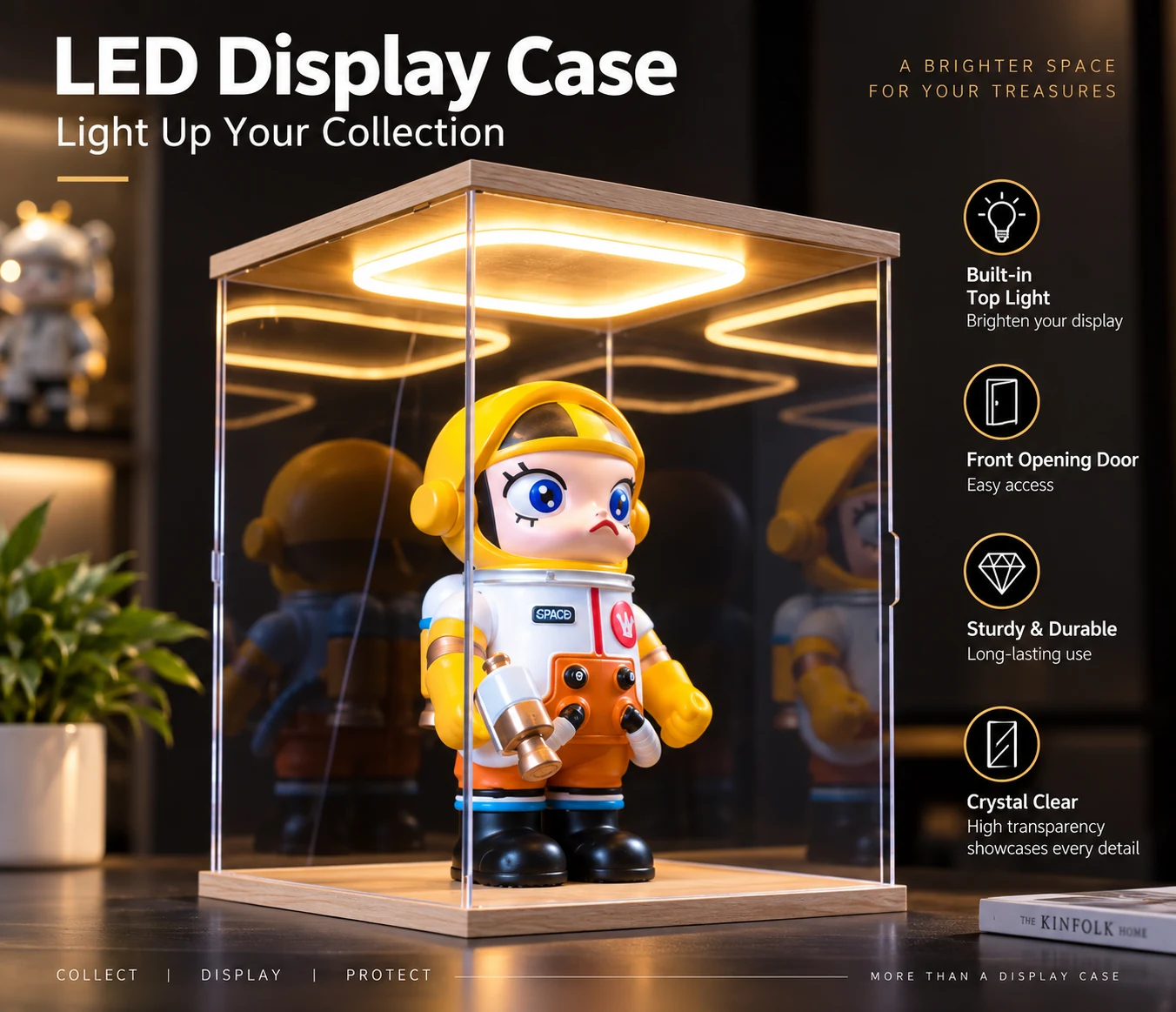
Acrylic Display Cases
Clear and illuminated cases for products, collectibles, retail presentation, exhibitions and high-value displays.
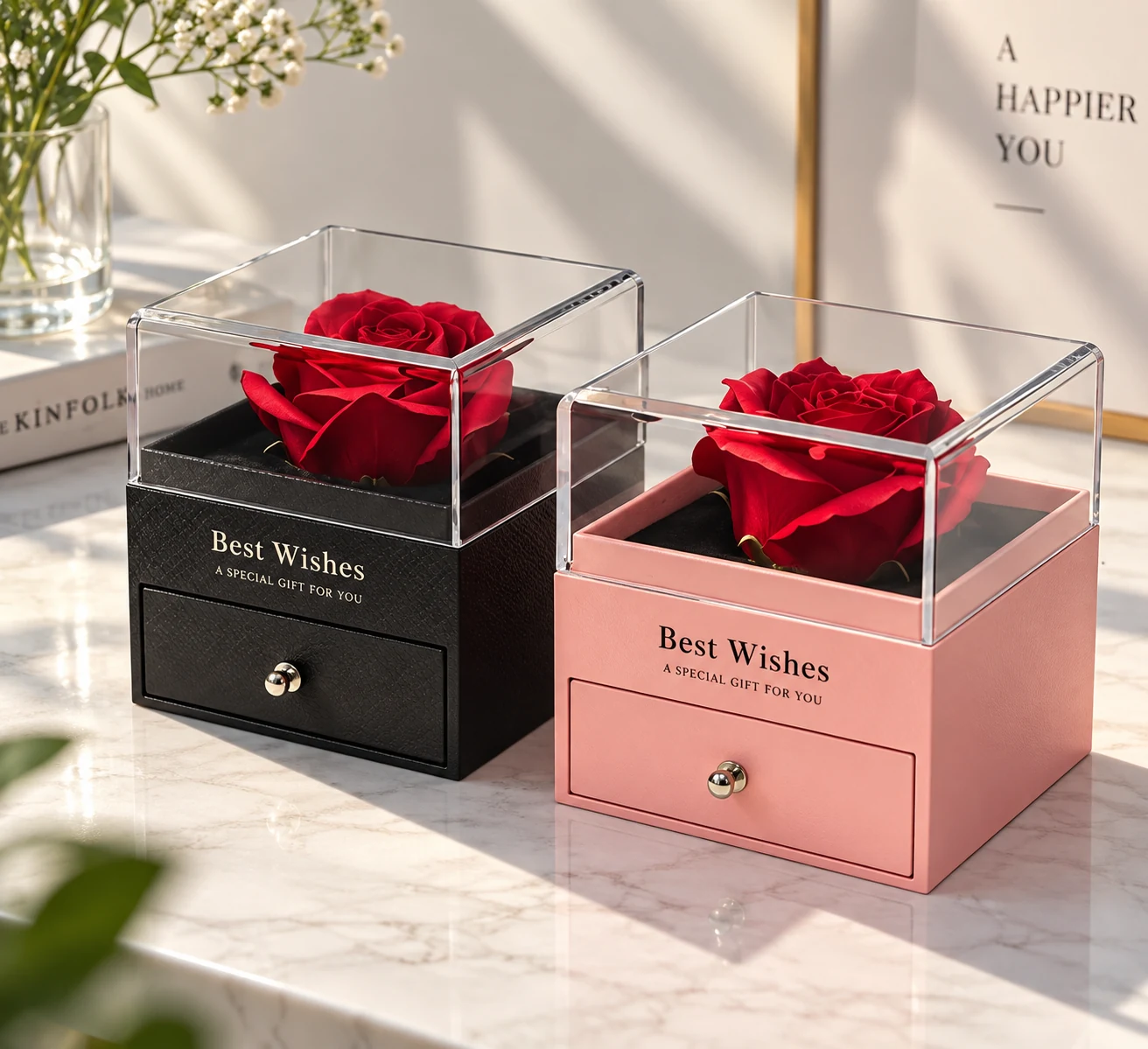
Retail & Presentation Boxes
Custom boxes developed for merchandising, countertop presentation, branded products and commercial display.
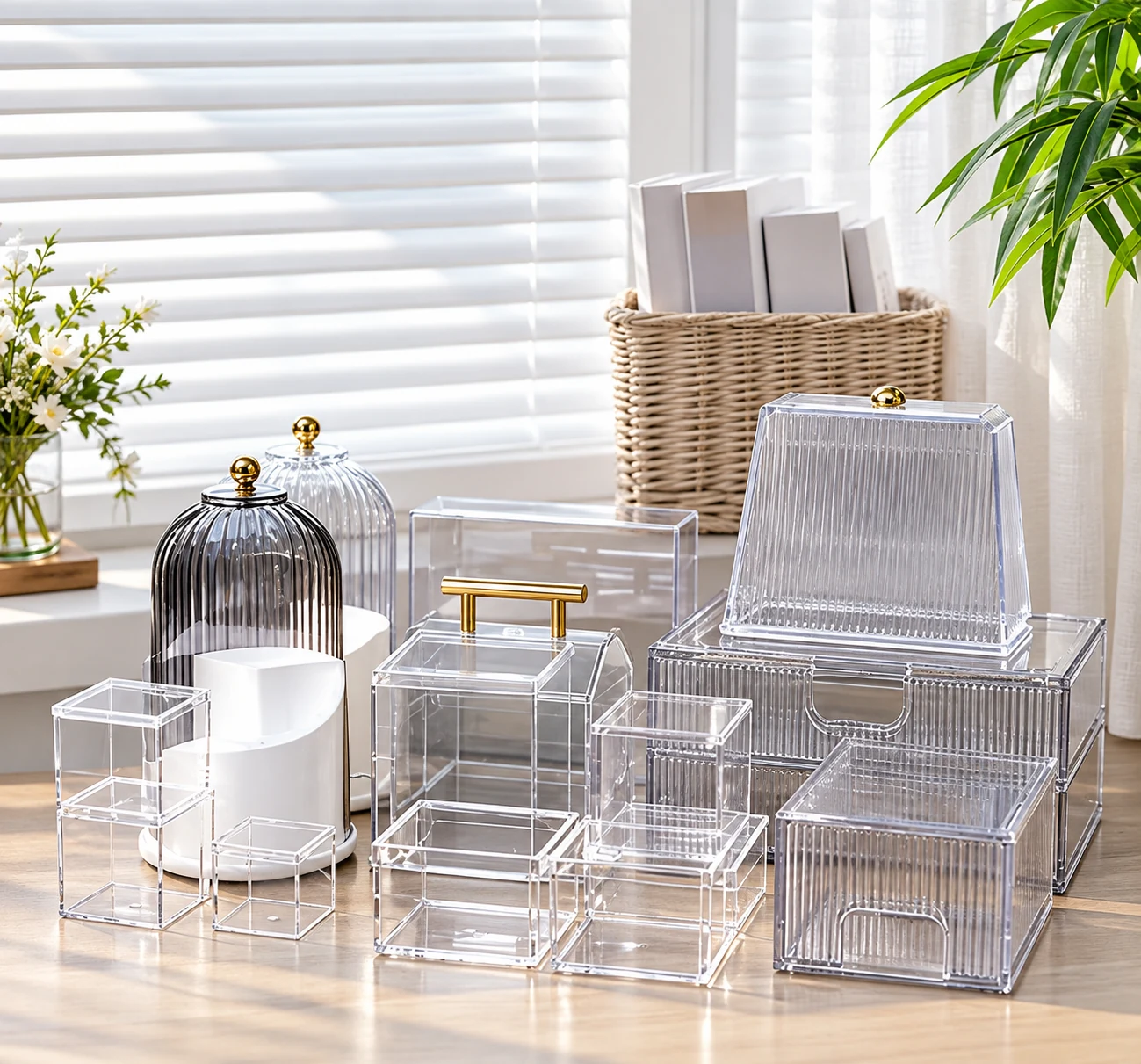
Storage & Organizer Boxes
Functional acrylic storage solutions with dividers, compartments, lids and product-specific configurations.
Protective Covers
Made-to-size transparent covers for equipment, displays and commercial installations where visibility and physical protection need to work together.
Product Enclosures
Transparent housings developed around components, electronics and commercial equipment with consideration for openings, access, hardware, assembly and installation.
Custom Fabricated Cases
Non-standard structures developed around a specific product, installation or technical requirement when a standard acrylic box is not enough.
Built Around the Product Inside
The enclosure should follow the product, not force the product into a standard box. We review how the contents are displayed, accessed, supported and protected before finalizing the structure.
Six Questions Before We Finalize an Acrylic Box or Case
Small structural decisions can affect appearance, usability, durability, production cost and shipping performance.
What Goes Inside?
Product dimensions, weight, sensitivity and required clearance influence the enclosure structure.
How Will It Be Accessed?
Openings, lids, doors and removable panels should match how the enclosure will actually be used.
How Clear Should It Be?
Material, surface condition and edge finish become especially important on transparent products.
Does It Need Internal Organization?
Dividers, shelves, trays and supports can be integrated around the product configuration.
Will Hardware Be Required?
Hinges, magnets, locks, fasteners and other components affect both structure and assembly.
How Will It Ship?
Surface protection, corners, internal movement and carton size should be considered before production is finalized.
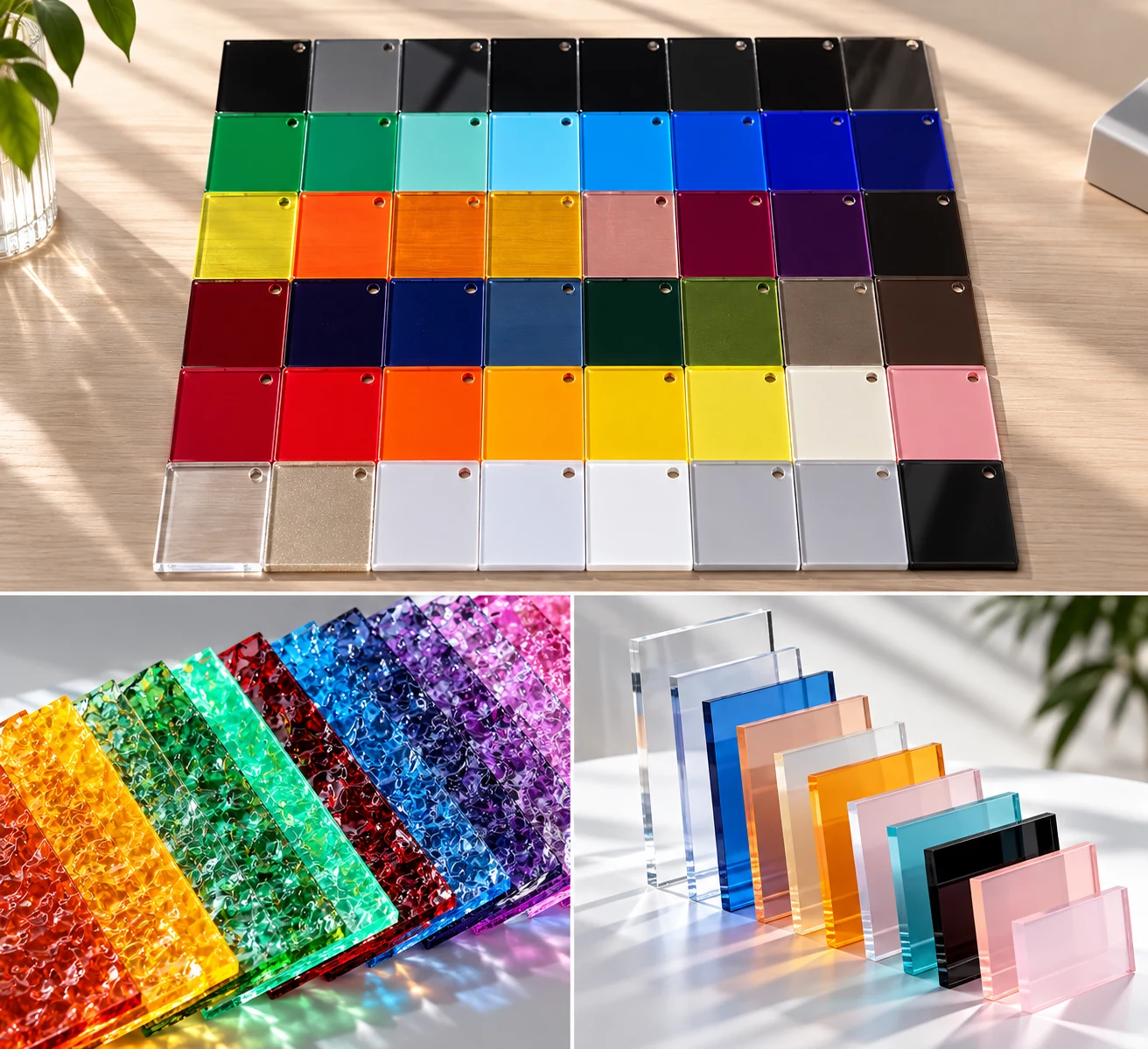
Material Choice Changes Both Appearance and Performance.
Clear acrylic is common for boxes and display cases, but the final material specification should follow structure, visual requirements, fabrication and application.
Small Details Can Change How the Enclosure Works.
Custom cases can incorporate functional features according to access, organization, installation and presentation requirements.
Lids & Doors
Removable lids, hinged access and other opening configurations.
Dividers & Shelves
Internal sections developed around the products being stored or displayed.
Hinges & Fasteners
Hardware selected according to structure, access and assembly requirements.
Magnets & Locks
Closure options for selected retail, display and protective applications.
Printing & Graphics
Logos, graphics and visual information integrated into the product.
Cutouts & Ports
Functional openings for cables, controls, ventilation or product access.
LED Integration
Lighting can be incorporated into selected display and presentation cases.
Multi-Part Structures
Components can be designed around assembly, maintenance and shipment needs.
When the Case Becomes Part of the Presentation
Some projects require the enclosure itself to contribute to the product experience. Lighting, branding, internal supports and presentation details can turn a functional case into part of the display system.
From Project Input to Production-Ready Enclosure
You do not need a finished production drawing to start. We can review drawings, samples, photos or concepts and identify the details required before sampling.
Project Review
Understand the product, application, dimensions and required function.
Structure Review
Define material, thickness, access, hardware and fabrication approach.
Golden Sample
Establish the approved reference for production where applicable.
Bulk Production
Manufacture against the approved specification and production reference.
Clear Acrylic Makes Quality Visible.
Transparent products can reveal surface, edge, bonding and assembly issues more easily than opaque products. Quality control therefore needs to follow the approved specification throughout production.
Explore Quality ControlCheck key dimensions, openings and component fit against the approved requirement.
Verify specified material direction and required thickness.
Review visible surfaces and exposed edges according to the product requirement.
Confirm functional components and assembly follow the approved structure.
Review placement and appearance of specified printing or branding.
Prepare protection around exposed surfaces, components and shipment requirements.
Acrylic Boxes & Cases Across Commercial Environments
The same fabrication principles can support very different applications when dimensions, access, structure and presentation are developed around the final use.
Retail & Merchandising
Product presentation, branded boxes and countertop display applications.
Collectibles & Exhibitions
Transparent display cases and covers for visible presentation and protection.
Cosmetics & Beauty
Organizers, presentation boxes and product-specific retail enclosures.
Electronics & Equipment
Custom housings, covers and enclosures with access or cable openings.
Hospitality & Commercial Interiors
Custom storage, presentation and protective structures for project use.
OEM & Custom Projects
Non-standard fabricated products developed from drawings, samples or concepts.
The Box Is Only One Part of the Manufacturing Decision.
Material selection, fabrication, production control and packaging all affect the finished enclosure.
Common Questions About Custom Acrylic Boxes & Display Cases
Practical questions from retail brands, distributors, project buyers and OEM customers before moving from a custom enclosure concept into prototyping and production.
Can you manufacture custom acrylic boxes from drawings, photos or physical samples?
Yes. Development can begin from technical drawings, sketches, photos, reference images, dimensions or a physical sample. We review the product being enclosed, intended application, size, access, material, structure and other functional requirements before preparing the product for prototyping or production.
Projects that require additional structural review can move through our Engineering & DFM process before sampling.
What acrylic thickness should I use for a custom box or display case?
There is no single thickness that is correct for every acrylic box. Material thickness should be selected around overall dimensions, wall height, load, required rigidity, access method, openings, hardware, transport conditions and the appearance expected from the finished product.
Smaller presentation boxes may use a different construction from large protective covers or display cases. Our guide to acrylic thickness for retail displays explains the main selection factors in more detail.
Can you add lids, hinges, locks, magnets, dividers or cable openings?
Yes. Depending on the application, custom acrylic cases can include removable or hinged lids, doors, magnets, locks, fasteners, internal dividers, shelves, trays, cable openings, ventilation openings and other project-specific details.
These components are reviewed together with the acrylic structure because hardware, cutouts and access methods can affect material thickness, reinforcement, assembly and final usability.
Can you make a prototype before bulk production?
Yes. A physical prototype can be used to confirm dimensions, product fit, material, structure, access, hardware, appearance and packaging before the design moves into repeat production.
Prototype development is typically around 15 days, depending on product complexity, material availability, hardware, fabrication requirements and revisions. See our Prototype & Sampling process for more information.
What is the MOQ for custom acrylic boxes and cases?
There is no single fixed MOQ for every custom acrylic box or case. Practical order quantity depends on dimensions, material thickness, structure, hardware, graphics, fabrication processes, packaging requirements and the overall project scope.
Send us the expected quantity together with your drawing, dimensions, photo, sample or concept and we can review the most suitable manufacturing approach.
How do you protect clear acrylic boxes and cases during shipping?
Clear acrylic surfaces can show scratches, edge damage and movement marks easily, so packaging needs to be considered before the product is released for shipment. Protection can include surface film, internal separation, corner protection, accessory isolation and carton or crate preparation depending on the product and shipment method.
For repeat or multi-piece projects, packaging can also be developed around product identification and packing efficiency. See our Packaging & Shipping capability for the broader process.
Need a Custom Acrylic Box, Case or Enclosure?
Send us a drawing, sample, photo or concept. We can review the dimensions, material, structure, access, finishing and packaging requirements before moving into sampling.