
Retail Display Engineering & DFM Support
Turn concepts, renderings, drawings and physical samples into retail display structures that can be prototyped, manufactured and repeated in production.
We review structure, acrylic thickness, dimensions, interfaces, joinery, lighting, hardware, assembly and manufacturing constraints before prototype development.
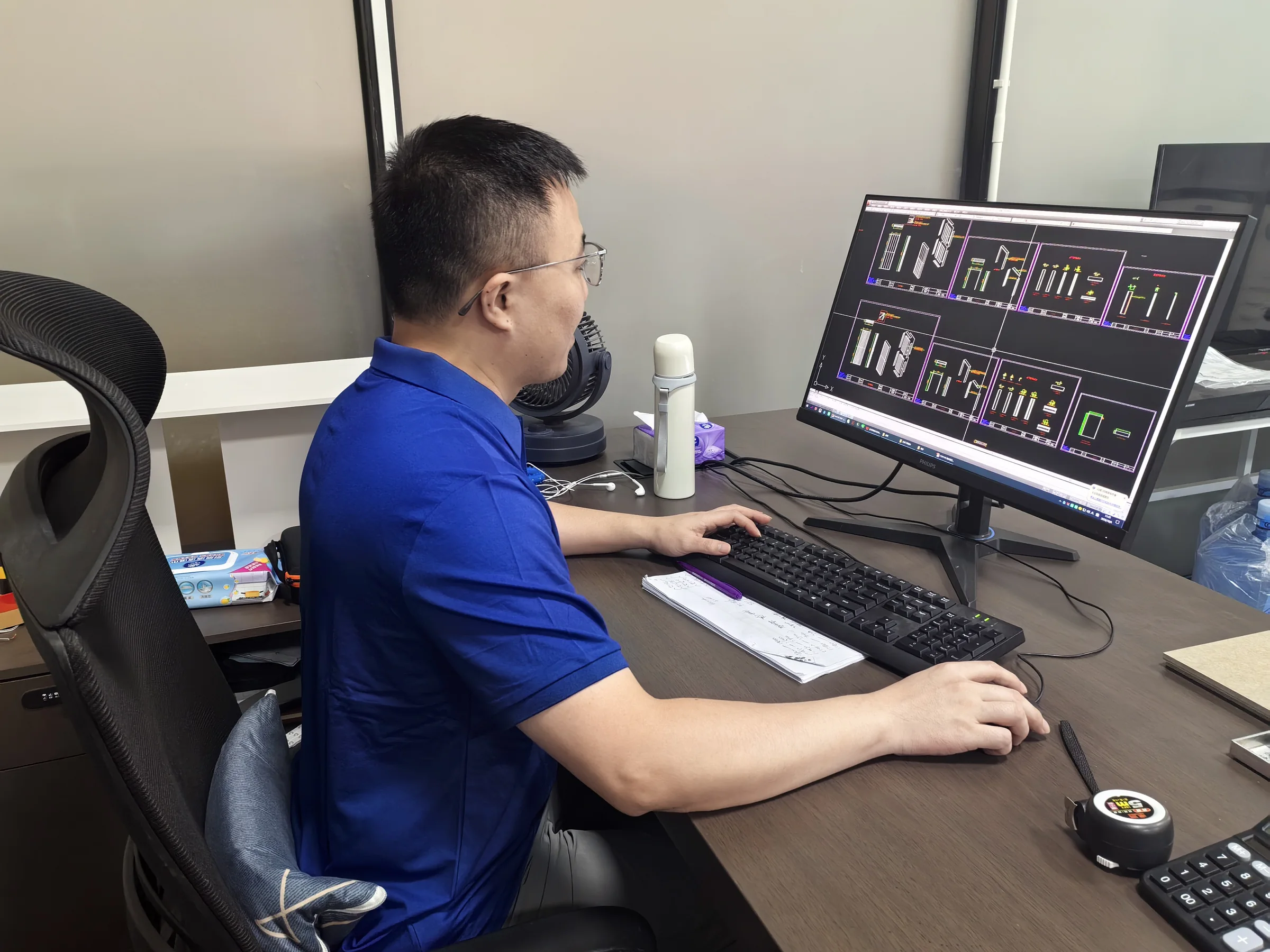
Engineering and technical drawing support connected directly with the manufacturing operation.
Typical prototype timing depends on the structure, materials and overall project complexity.
Start with a CAD file, drawing, rendering, sketch, sample or reference image.
Suitable for customer-owned concepts, confidential development and white-label manufacturing projects.
The Rendering Shows the Idea. Engineering Resolves What Production Needs.
A visual concept can communicate appearance very well while leaving structural, dimensional and manufacturing details unresolved. DFM closes that gap before the project reaches prototype production.
What Supports the Product?
Product weight, center of gravity, spans and base dimensions need to work in the real retail environment, not only in the rendering.
How Do Components Fit Together?
Holes, slots, fasteners, inserts, lighting parts and multi-material interfaces need defined clearances and repeatable positioning.
Can the Detail Be Produced Reliably?
Cutting, CNC machining, bending, bonding, polishing and assembly all create practical constraints that affect the final structure.
Can It Be Assembled and Shipped Safely?
Large projections, fragile edges and fully assembled structures can increase packing risk, freight volume and on-site handling difficulty.
What We Review Before Prototype Development
Not every project needs the same level of engineering. These are the areas most commonly reviewed before a custom retail display is released for prototyping.
Support & Stability
Base footprint, load paths, panel spans and supporting components are reviewed against product weight and expected retail use.
Thickness & Material Selection
Acrylic thickness and supporting materials are reviewed around stiffness, appearance, machining, forming, finishing and cost.
Critical Dimensions & Clearances
Product holders, openings, mating parts, holes and important interfaces are identified where dimensional consistency directly affects fit.
Bonding & Mechanical Connections
Adhesive joints, screws, inserts, hidden fasteners and hardware are reviewed around strength, appearance and assembly access.
LED, Diffusion & Wiring
LED position, light path, diffusion material, hotspots, wiring routes and service access are considered for illuminated displays.
Assembly Sequence & Accessibility
The order of assembly, fastening points and access requirements are reviewed so the structure can be assembled consistently.
Process Feasibility
Design details are reviewed against practical laser cutting, CNC machining, drilling, bending, polishing, bonding and assembly processes.
K/D & Packaging Considerations
Where appropriate, the structure can be reviewed around knock-down assembly, packaging volume, fragile areas and transport protection.
From Design Intent to Prototype-Ready Direction
The purpose of DFM is not to redesign a project unnecessarily. It is to identify risk, clarify technical details and preserve the intended visual effect while making the display practical to manufacture.
Drawing, rendering, sample, reference image, product dimensions and project requirements.
Product fit, retail environment, visual intent, quantity, materials, lighting and assembly needs.
Structure, acrylic thickness, interfaces, joinery, tolerances, hardware and process feasibility.
Important dimensions, component relationships, production details and assembly logic are clarified.
The technical direction is confirmed before material is committed to the physical sample.
Physical results are reviewed and relevant revisions are carried back into the approved technical direction.
Technical Development Happens Before Production Starts.
Drawings and engineering communication provide the bridge between design intent and manufacturing. They make important dimensions, component relationships and production details visible before the factory commits material.
Engineering & Technical Drawing
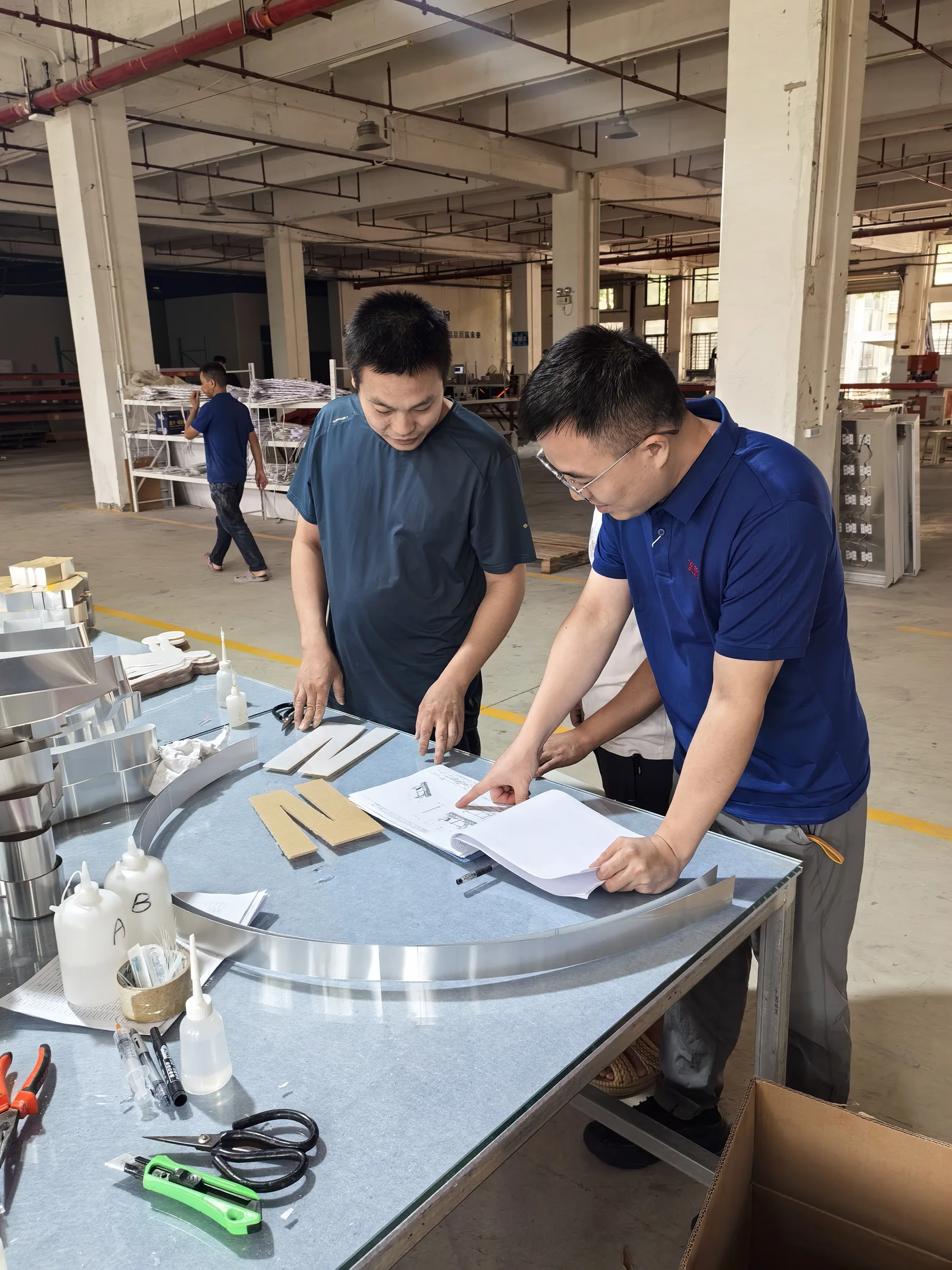
Drawing Review & Communication
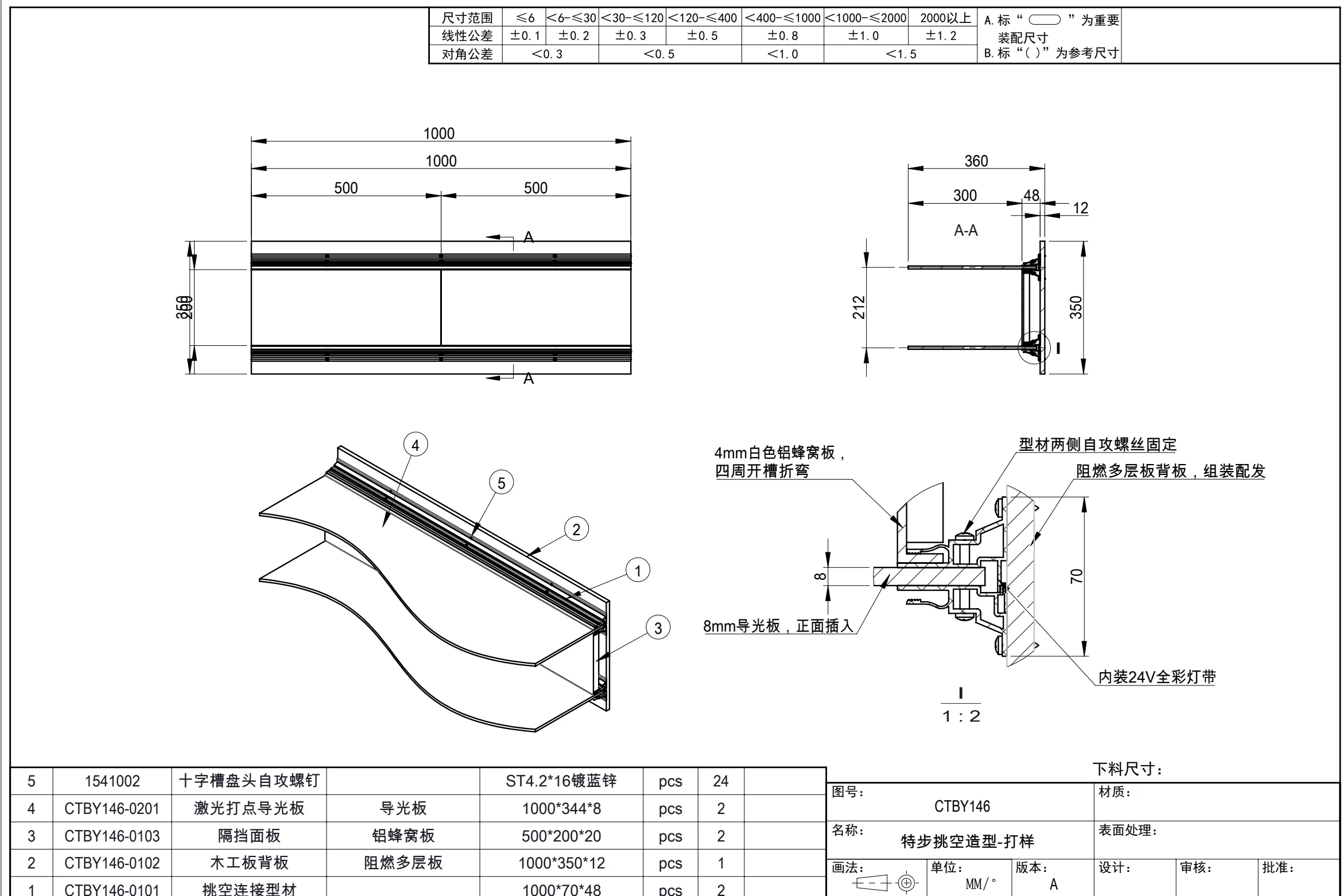
Structure & Dimension Development
Engineering Details Matter More When the Material Is Visible.
Retail displays often expose their joints, edges, lighting and material interfaces directly to the customer. This makes engineering quality visible in the finished product.
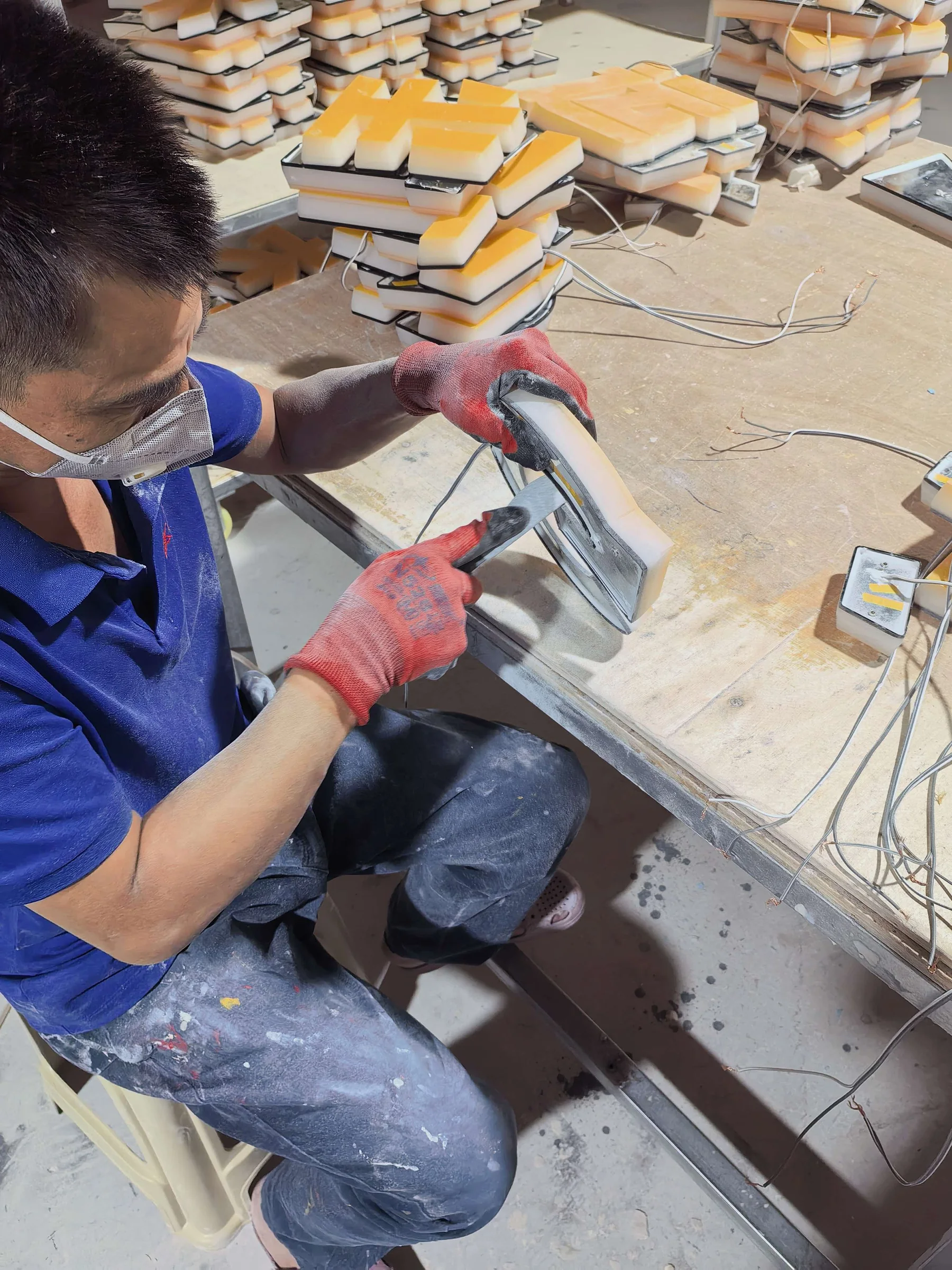
Clear Acrylic Bonding
Joint position, visible glue lines, bubbles, component alignment and access during bonding are considered where transparent acrylic makes assembly quality highly visible.
Heat Bending & Forming
Acrylic thickness, bend geometry, forming allowance and dimensional consistency need to be considered when curved or folded components are part of the design.
CNC-Machined Acrylic Components
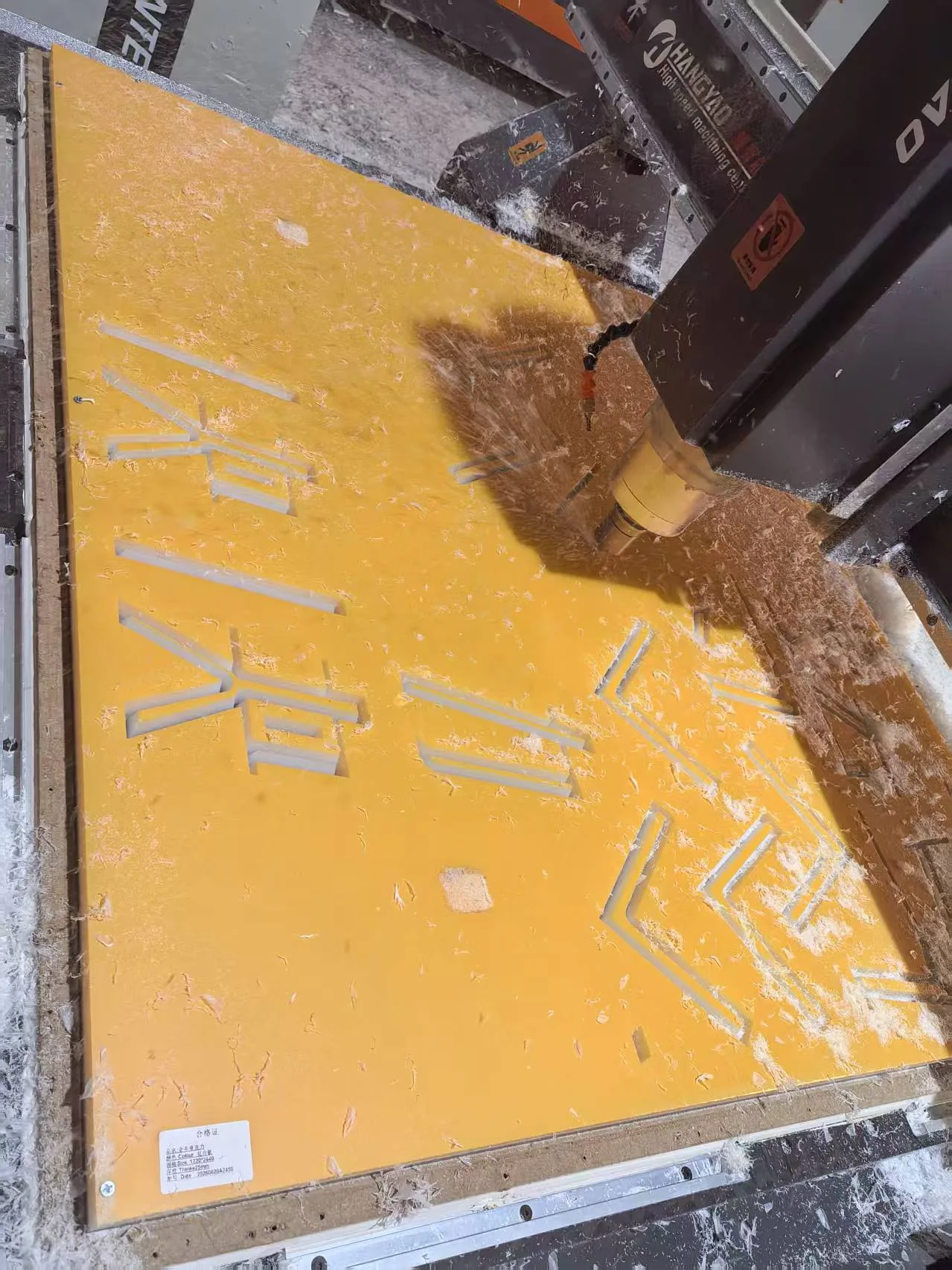
Hole position, internal corners, slot geometry, edge condition and machining access are reviewed when converting a concept into production-ready parts.
Lighting & Diffusion
For illuminated displays, LED position, light path, diffusion surfaces, hotspots, wiring routes and service access need to work as one system.
Multi-Material Interfaces
Acrylic-to-metal, acrylic-to-wood and hardware interfaces require suitable holes, fasteners, inserts, clearances and practical assembly access.
Visible Edge & Surface Quality
Polished edges, transparent surfaces and premium finishes often remain exposed in retail environments, so the production method should support the intended visual standard.
What Comes Out of the Engineering Stage?
The exact level of documentation depends on the project. The purpose is to give prototype and production teams a clear technical reference rather than create unnecessary paperwork.
Production Drawings
2D manufacturing drawings can define key dimensions, holes, interfaces and production details required for the project.
Structure & Assembly Details
Component relationships, fixing methods and assembly logic are clarified where they affect prototype development or repeat production.
Material & Process Direction
Acrylic thickness, supporting materials, finishes, hardware and relevant production processes are aligned with the approved structure.
DFM Recommendations
Recommendations can be made where structural simplification, material changes or manufacturing adjustments improve feasibility, consistency or cost.
Engineering Is Not the Finish Line. The Prototype Tests the Decisions.
The first physical sample verifies whether the proposed structure, product fit, dimensions, finish, assembly and visual effect work as intended.
Prototype feedback can then be converted into revisions before the approved sample becomes the reference for customized production.
You Do Not Need a Finished Production Drawing to Start.
Send the most complete information you currently have. Missing technical details can be identified during the engineering review rather than guessed before the project begins.