
Retail Display Materials & Finishes for Custom Projects
Choose retail display materials around the product — not just the color.
Acrylic, PETG, PVC, transparency, thickness, surface finish, graphics and integrated components all influence how a custom retail display looks, performs and moves into production.
Material Choice Is Part of the Engineering.
Two displays can look similar in a rendering and still require different materials, thicknesses or fabrication methods.
The right specification depends on how the product is supported, fabricated, branded, illuminated, assembled, transported and ultimately presented in the retail environment.
Instead of selecting a sheet only by color or thickness, material decisions should consider structure, appearance, fabrication requirements and the commercial use of the finished display.
Retail Display Materials for Different Product Requirements
Retail display materials should be selected around the finished product. Acrylic remains at the core of our fabrication work, while PETG, PVC and other specified materials can be considered according to the design, process and application.
Clear Acrylic
Commonly selected where clarity, clean presentation and polished visible surfaces are important. Transparent products also make edge quality, bonding and handling marks more visible.
Displays / Cases / SignageColored Acrylic
Suitable for branded displays, decorative components, signage and projects where material color is part of the visual identity.
Branding / Retail / SignageFrosted Acrylic
Creates a softer visual effect and reduced direct visibility, making it useful for selected display, signage and illuminated applications.
Display / Signage / LightingMirror Acrylic
Used for decorative, branding and visual applications where a reflective surface forms part of the display concept.
Retail / DecorativePETG
Can be considered where forming behavior, impact characteristics or fabrication requirements make it more suitable for the specific component.
Formed Parts / CoversPVC
Suitable for selected signage and fabricated display applications where its characteristics match the project requirements.
Signage / FabricationMaterial Selection Has to Work in Production
Material type, sheet condition, thickness, color and project quantity all affect how a custom display moves from an approved specification into cutting, machining, forming and assembly.
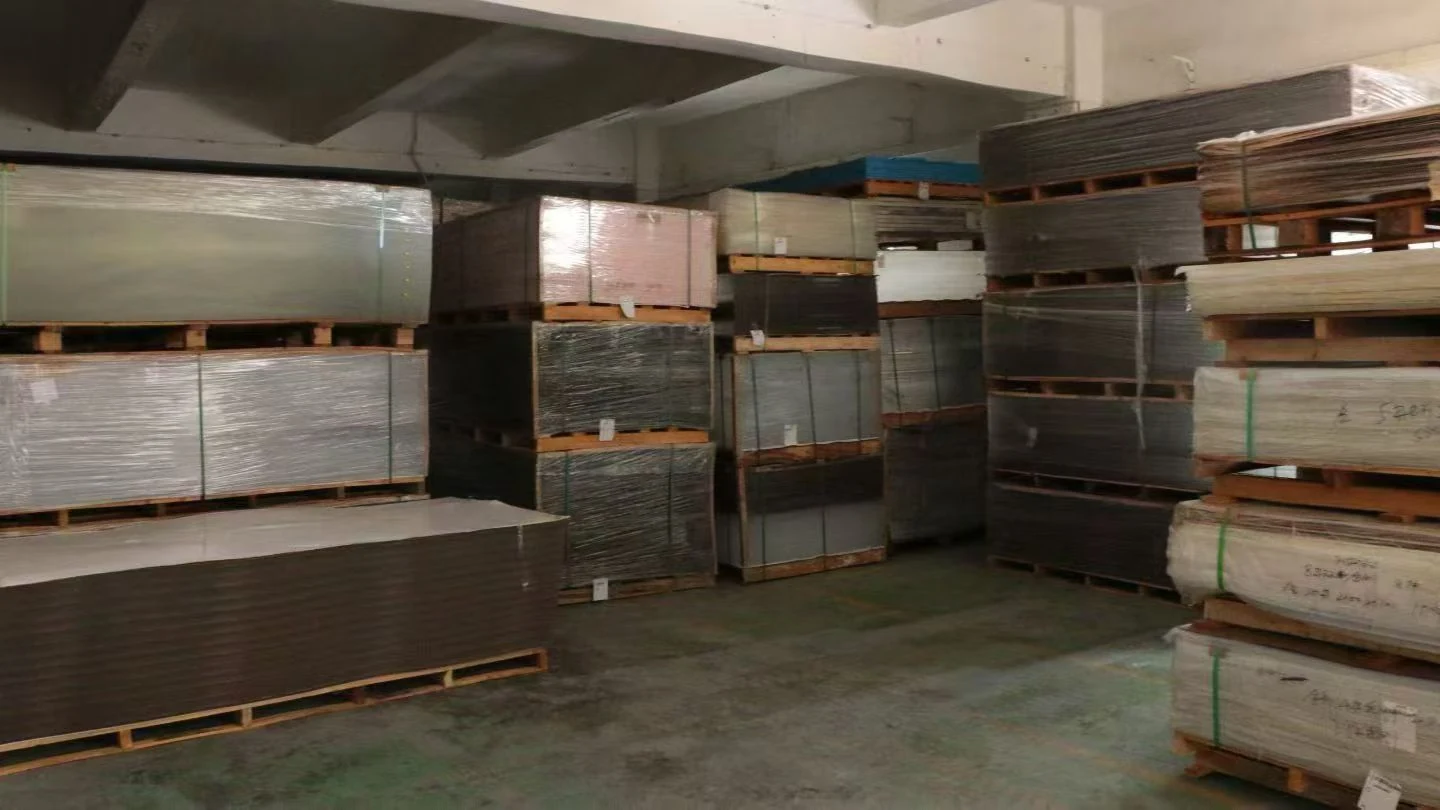
Material Control Starts Before Cutting.
The correct project material needs to be identified and prepared before it reaches laser cutting, CNC machining, forming, printing or assembly.
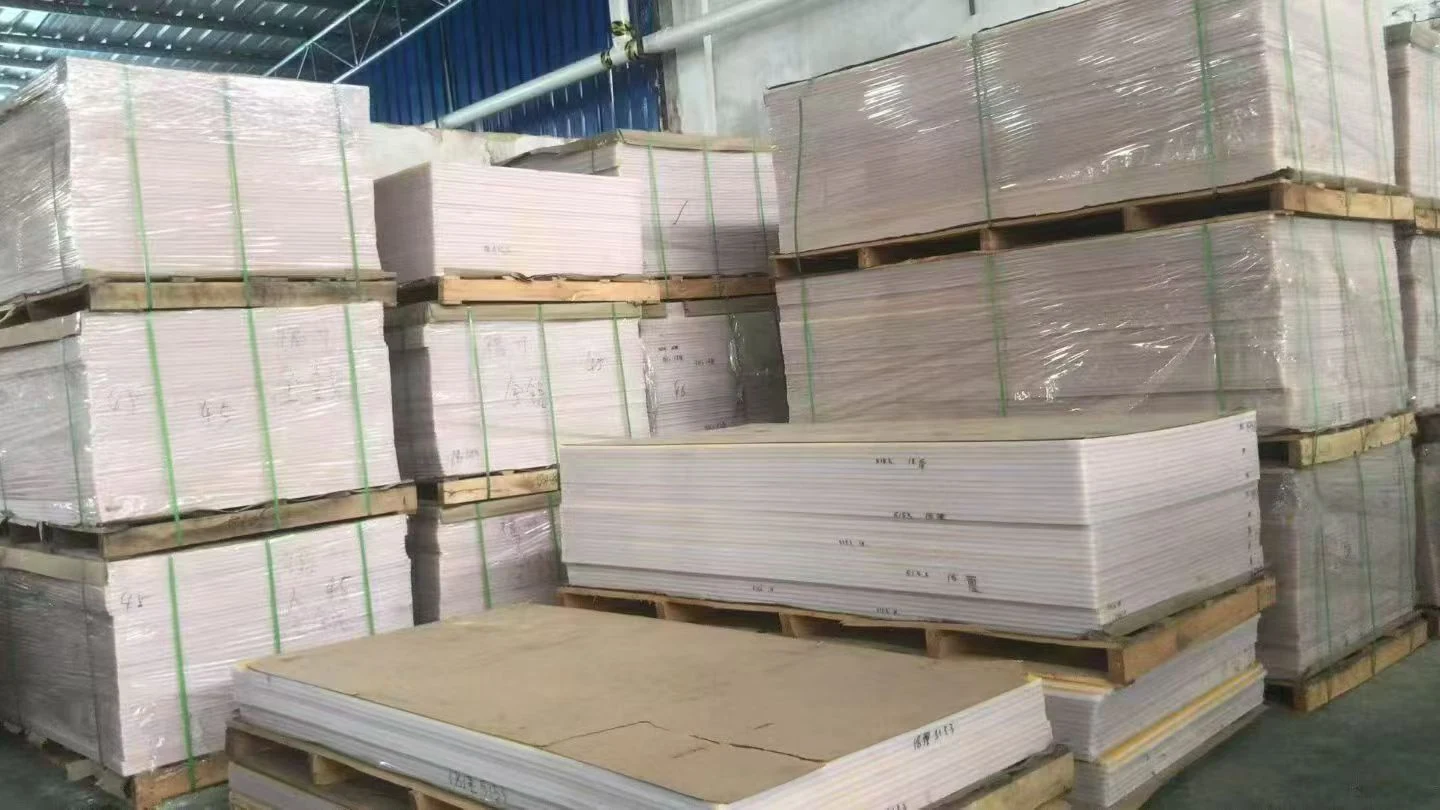
Different Products Start with Different Material Decisions.
The required material specification depends on the appearance, structure, fabrication route and production requirements of the project.
Selected around appearance, processing and end-use requirements.
Reviewed against geometry, support, load and fabrication needs.
Considered together with lighting, background and visible surfaces.
Material planning considers prototype, production and repeat-order needs.
Appearance and Structure Need to Be Considered Together
Color, transparency and thickness affect more than appearance. They can influence lighting, fabrication, structural behavior, visual weight and the final presentation of the display.
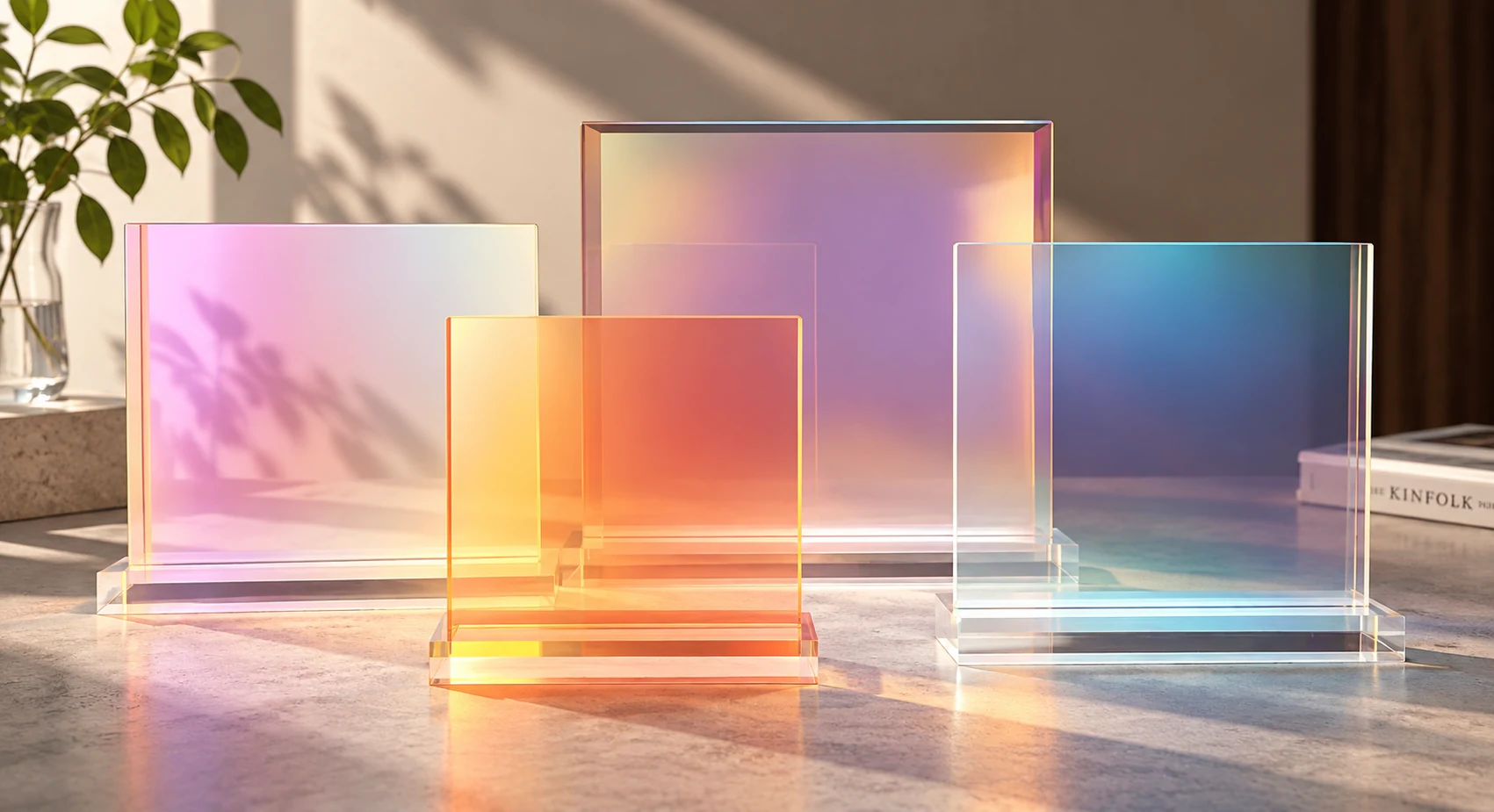
Color Is More Than a Pantone Number.
With transparent and translucent materials, perceived color can change with thickness, lighting, background and surrounding components.
For appearance-sensitive projects, a physical material or approved sample can provide a more useful reference than relying only on a screen rendering.
Thickness Should Follow the Structure.
Selecting acrylic thickness only by habit can add unnecessary weight and cost or provide insufficient rigidity. The appropriate thickness depends on how the part actually needs to perform.
Unsupported areas and connection points affect structural requirements.
Product weight and applied loads influence material selection.
Bends, joints, ribs and overall shape affect stiffness and processing.
Thickness also changes the visual weight and perceived quality of a display.
Cutting, machining, forming and bonding influence the final specification.
Weight, package size and transport protection also matter in commercial production.
The Raw Material Is Only the Starting Point.
Edge treatment, graphics, forming, bonding and integrated components determine how retail display materials become finished commercial products.
Edge Finishing
Sanding and polishing are used where clean, visually refined acrylic edges are important to the finished appearance.
UV Printing
Adds project-specific graphics, color and branding directly to selected acrylic and display surfaces.
Laser Engraving
Creates decorative or informational details on suitable project components.
Heat Forming
Converts flat sheet material into bends, curves and formed structures according to the product design.
Bonding & Assembly
Brings fabricated parts together into complete displays, cases and multi-part structures.
Lighting & Hardware Integration
Lighting, fittings and other specified components can be integrated according to the requirements of the display.
From Material Surface to Finished Detail
Material selection and finish specifications only become meaningful when they can be reproduced through real fabrication and production processes.
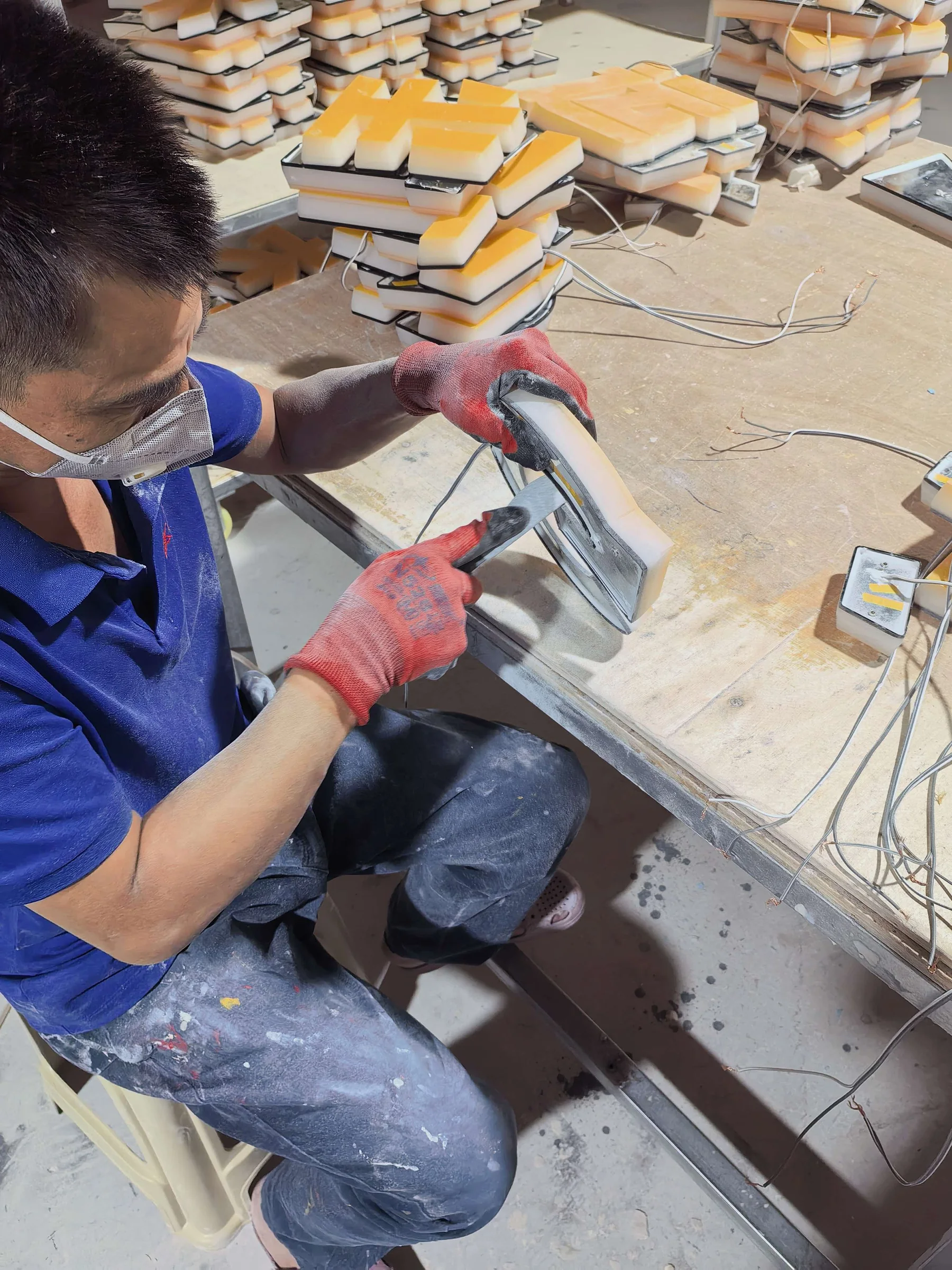
Sanding & Polishing
Edge finishing helps create the clean visible surfaces required for clear and appearance-sensitive acrylic parts.
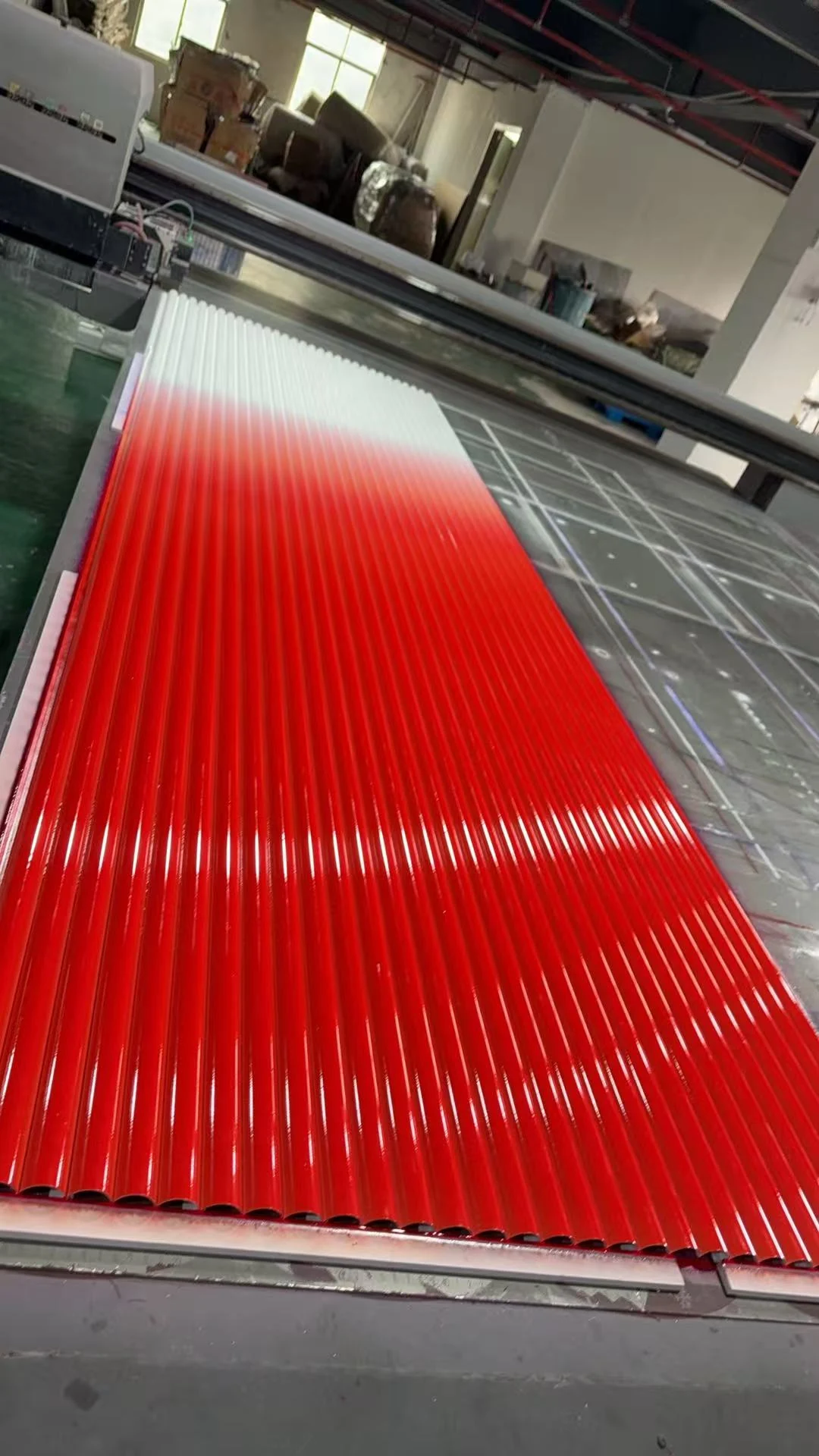
Graphics Applied in Production
UV printing can add project-specific graphics and visual treatments directly to selected display components.
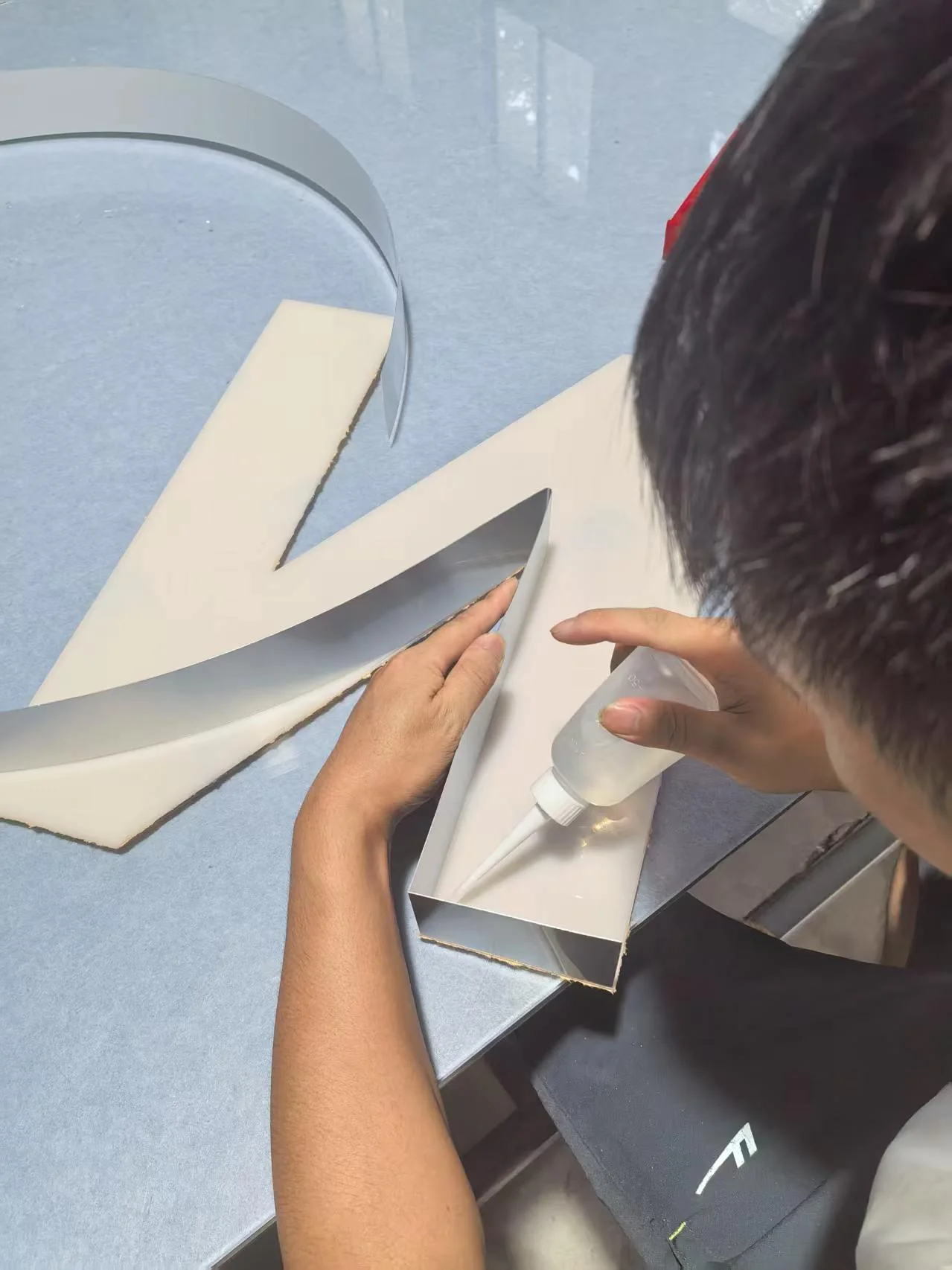
Bonding & Assembly
Fabricated components are joined and assembled according to the structure and visible finish required by the product.
Acrylic at the Core. Other Materials Where the Product Needs Them.
Many custom retail displays are not made from acrylic alone. Lighting, graphics, structural elements, hardware and other specified materials can be integrated according to the project requirements.
Acrylic + Metal
Metal components can support frames, brackets, structural connections and selected fixture details.
Acrylic + Wood
Wood-based components can be integrated where the display concept requires a different structural or visual material combination.
Acrylic + Graphics
Printed graphics and branded visual elements can be combined with fabricated acrylic components.
Acrylic + Lighting
LED and illuminated elements can be integrated where lighting forms part of the product presentation.
Acrylic + Hardware
Hinges, magnets, fasteners, fittings and other specified hardware can be incorporated according to the display structure.
Acrylic, PETG or PVC?
There is no single material that is best for every display. The appropriate choice depends on appearance, structure, fabrication and the intended application.
Need a deeper comparison of acrylic and PETG for retail display applications?
Read Acrylic vs PETG for Retail DisplaysKeep Material Decisions Connected to the Approved Product.
Material selection should not end when a material name is written on a drawing. Appearance-sensitive and functional requirements need to remain connected to the approved project reference as the product moves into production.
Define the Material Reference
Confirm relevant material type, thickness, color, transparency and finish requirements for the project.
Engineering & DFMValidate the Physical Result
Where required, prototype development provides a physical opportunity to review material appearance, fit, fabrication and other project-specific details.
Prototype & SamplingCarry the Approved Reference into Production
Approved material and finish requirements become part of the production reference used to support repeatability during manufacturing.
Quality ControlMaterial Selection Is One Part of the Manufacturing Decision
See how engineering, fabrication, prototype development and quality control connect material decisions with the finished display.
Not Sure Which Material or Finish Fits Your Display?
Send us your drawing, sample, rendering or concept. We can review the structure, appearance and fabrication requirements before the material specification is finalized.
Drawing · Sample · Rendering · Material Reference · NDA Available