
Custom Retail Display Manufacturing Process
From approved project requirements to fabrication, finishing, assembly and controlled production, each manufacturing route is built around what the finished display actually requires.
Precision acrylic fabrication sits at the core, with graphics, lighting, hardware and other specified components integrated according to the project.
Use the Process That Fits the Part
A clear acrylic panel, machined component, formed cover and illuminated display assembly do not follow exactly the same manufacturing route.
Material, geometry, visible surfaces, interfaces, assembly requirements and final application all influence which processes are used and in what sequence.
The objective is to connect the required fabrication and assembly processes into a practical route that can be repeated after the product specification has been approved.
From Approved Reference to Finished Assembly
The exact route changes by product, but custom display production typically moves through a controlled sequence of preparation, fabrication, finishing, integration and verification.
Approved Production Reference
Confirm the approved drawing, specification and physical reference where applicable before repeat production begins.
Material Preparation
Prepare the specified acrylic, components and project materials according to the approved requirements.
Cutting & Machining
Create profiles, openings, slots, recesses and other component geometry using the process appropriate to each part.
Forming & Shaping
Bend or form components where the approved product requires curved, folded or shaped geometry.
Surface & Edge Finishing
Prepare visible edges and surfaces according to the approved appearance requirement.
UV Printing & Branding
Apply project-specific graphics, markings and branding directly to selected product surfaces where required.
Assembly & Integration
Bring together acrylic parts, lighting, hardware, graphics and other specified components.
Production Verification
Check relevant requirements during and after production before the product moves to final packing.
Real Processes Behind Custom Display Production
These processes do not exist as isolated capabilities. They are selected and combined according to the geometry, appearance and assembly requirements of the finished product.
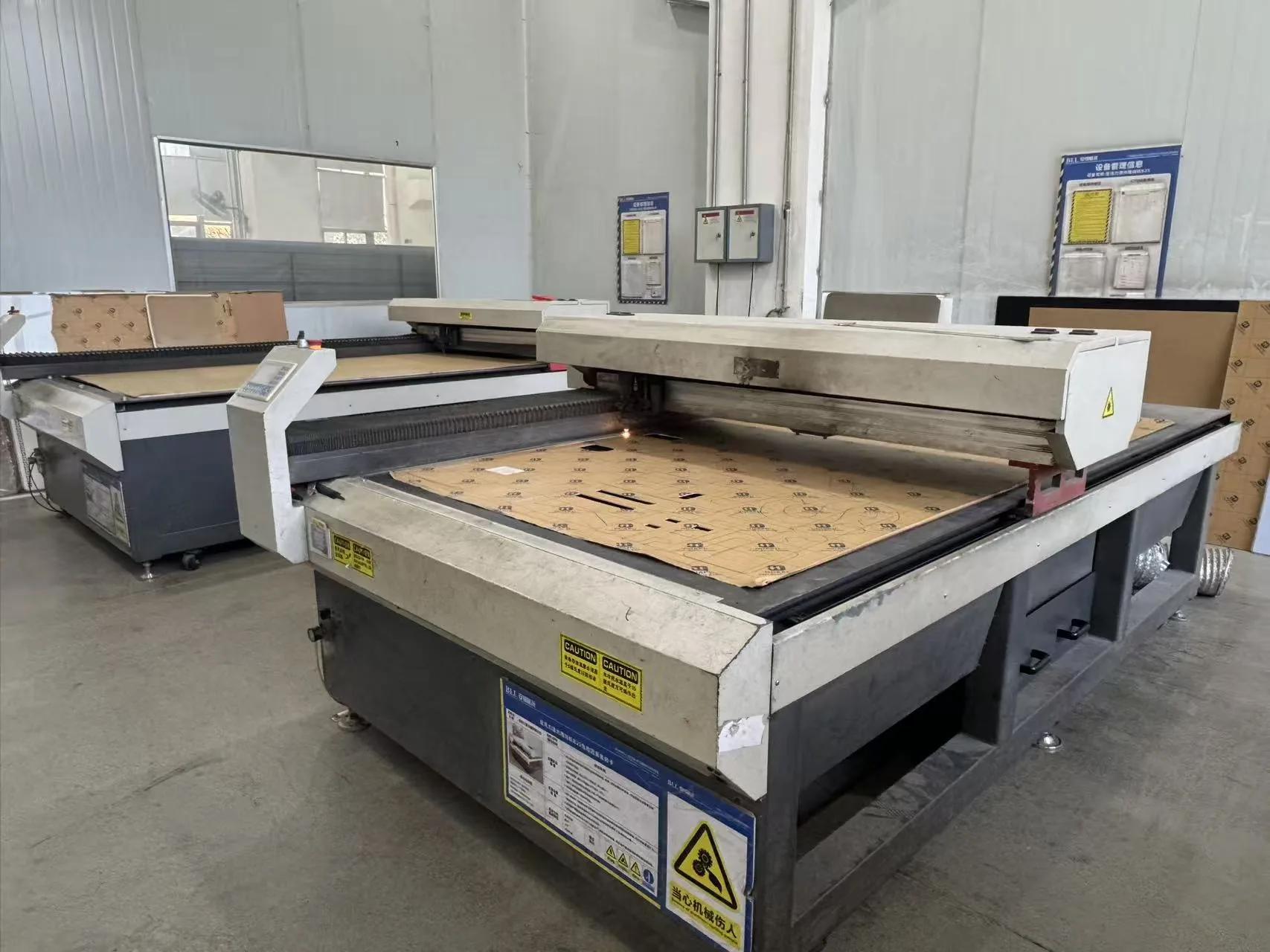
Laser Cutting
Laser cutting is used for selected sheet components where the product requires defined profiles, openings or repeatable two-dimensional geometry.
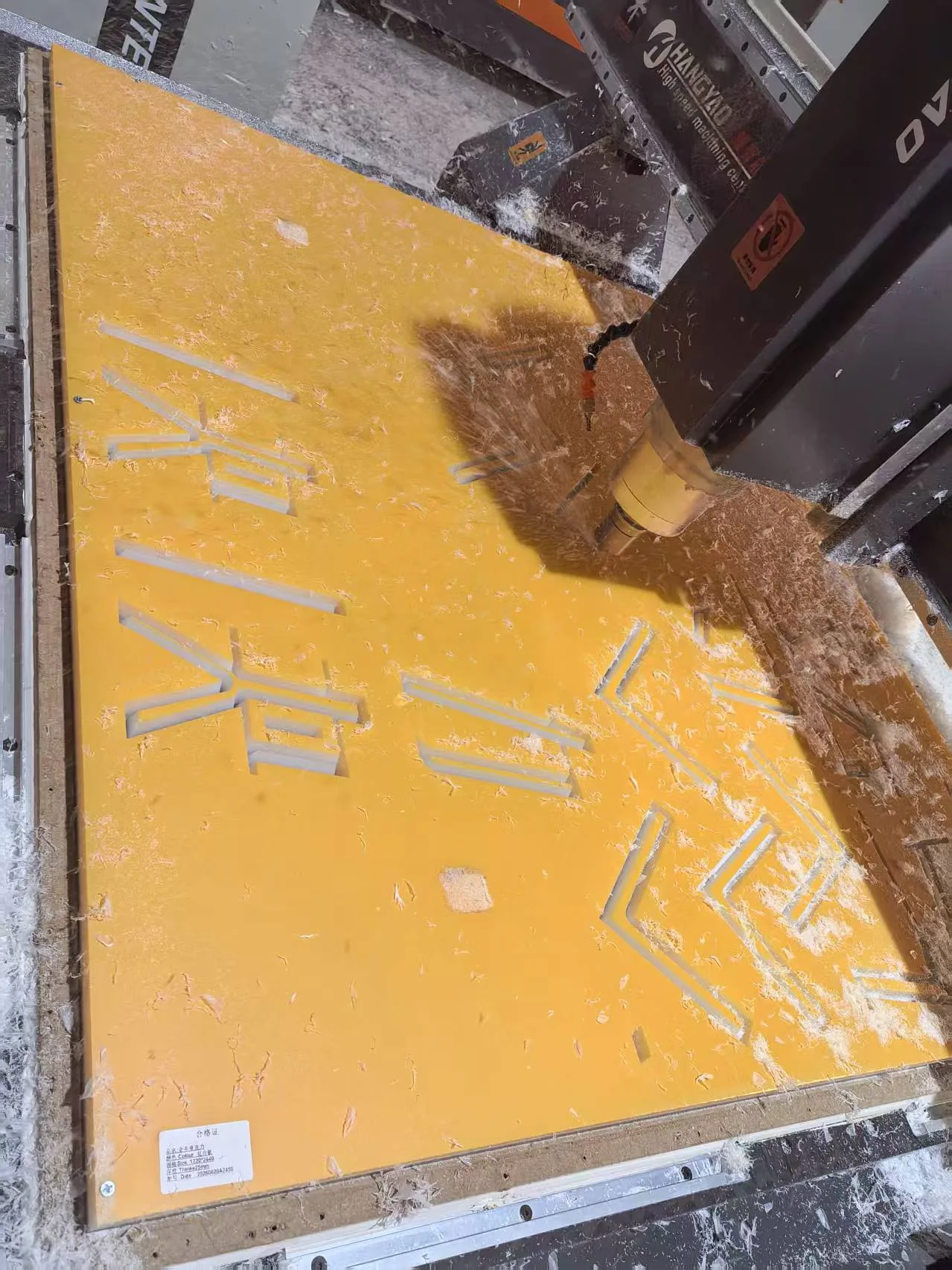
CNC Machining
CNC machining supports components that require routed features, thicker material, recesses, slots or geometry better suited to mechanical machining.
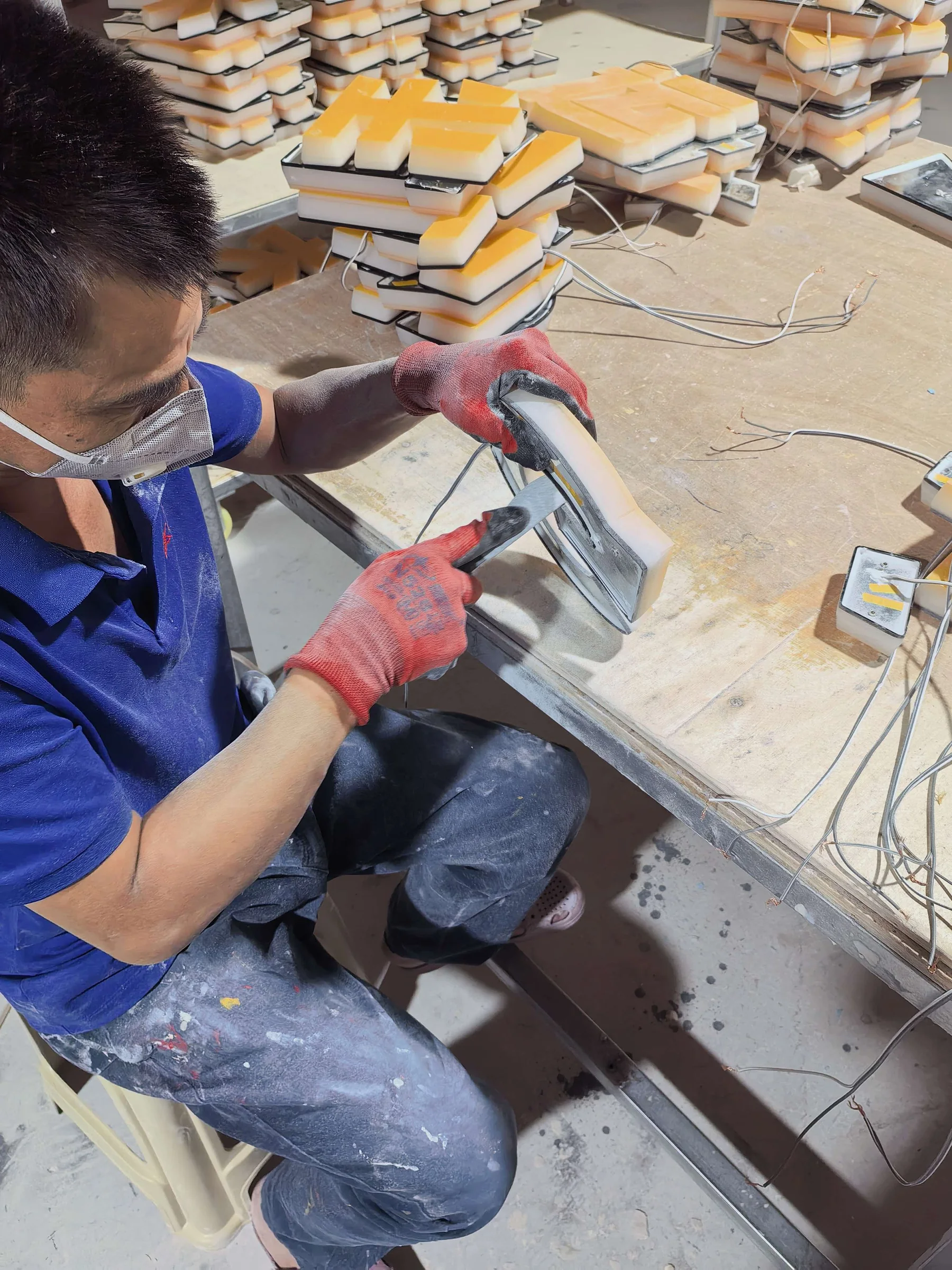
Edge Finishing & Polishing
Transparent acrylic makes edge quality highly visible. Sanding and polishing are therefore part of the manufacturing route for products where exposed edges contribute to the finished appearance.
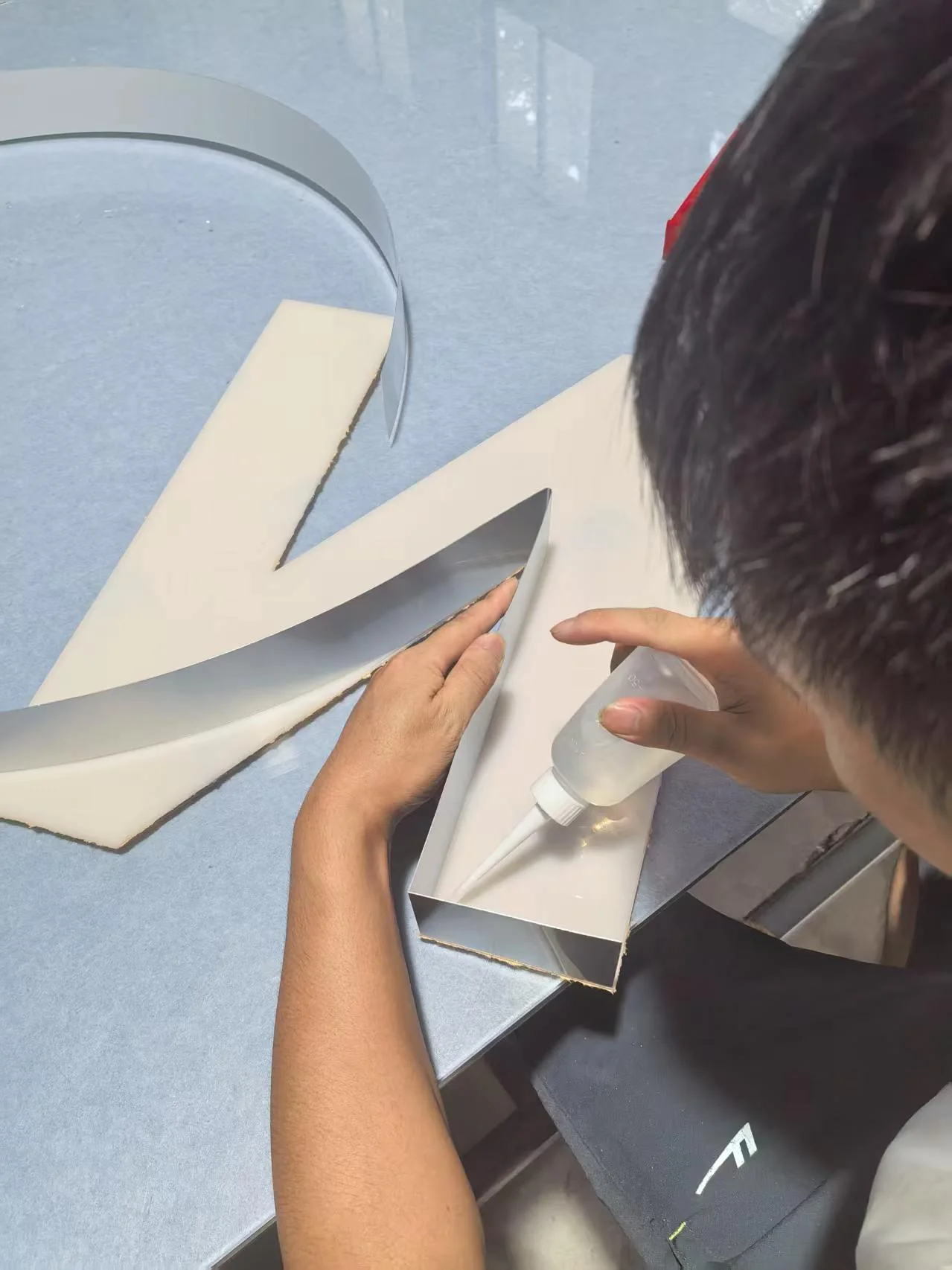
Bonding & Assembly
Fabricated parts become a finished product through controlled bonding, fitting and assembly. Visible joints, component alignment and final fit can be especially important on clear acrylic and presentation-focused products.
Additional Processes Are Integrated Around the Product
Custom displays often require more than one fabrication method. Supporting processes are added where they contribute to the approved structure, appearance or function.
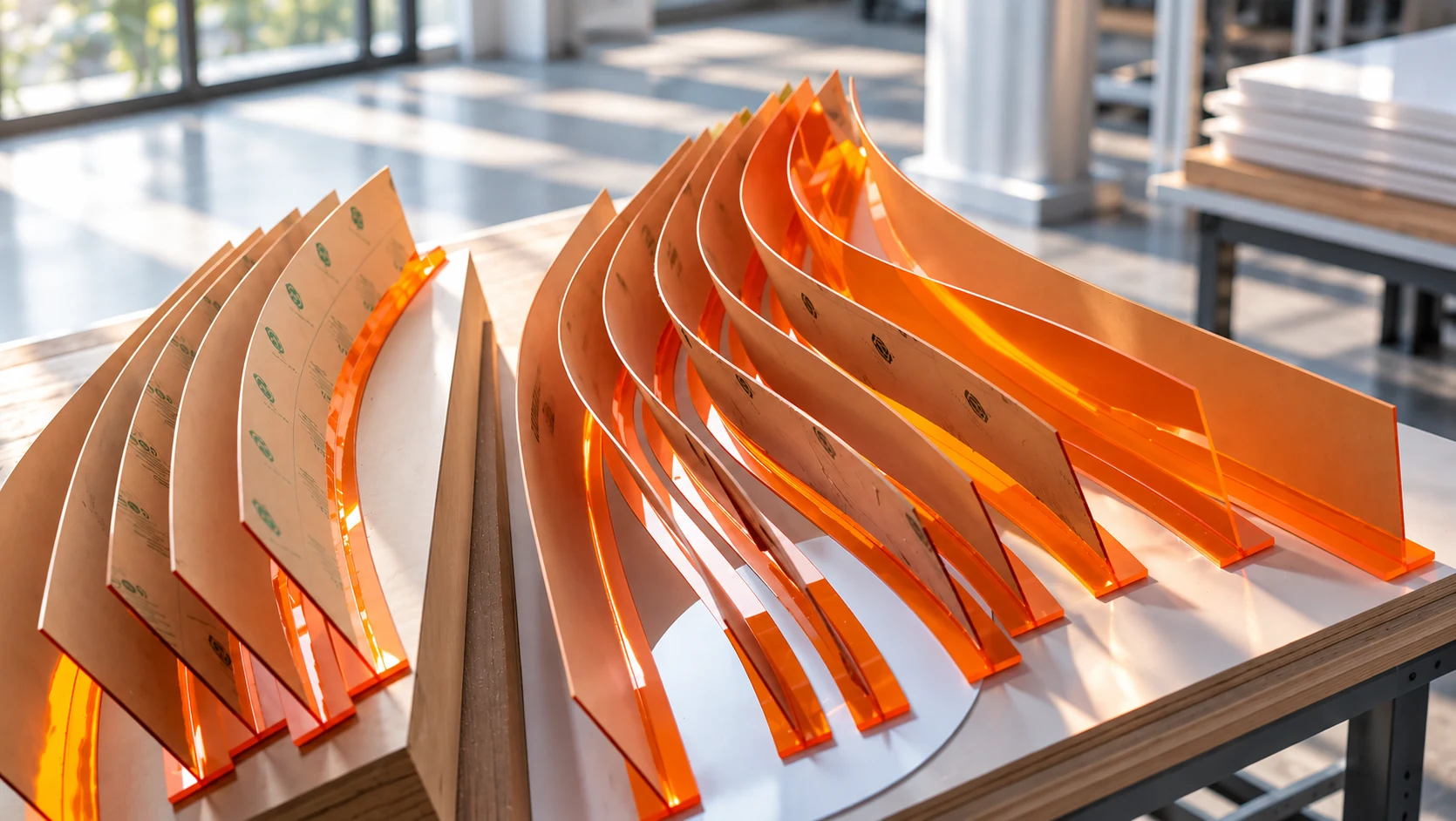
Heat Bending & Forming
Used where acrylic components require folded, angled or shaped geometry.
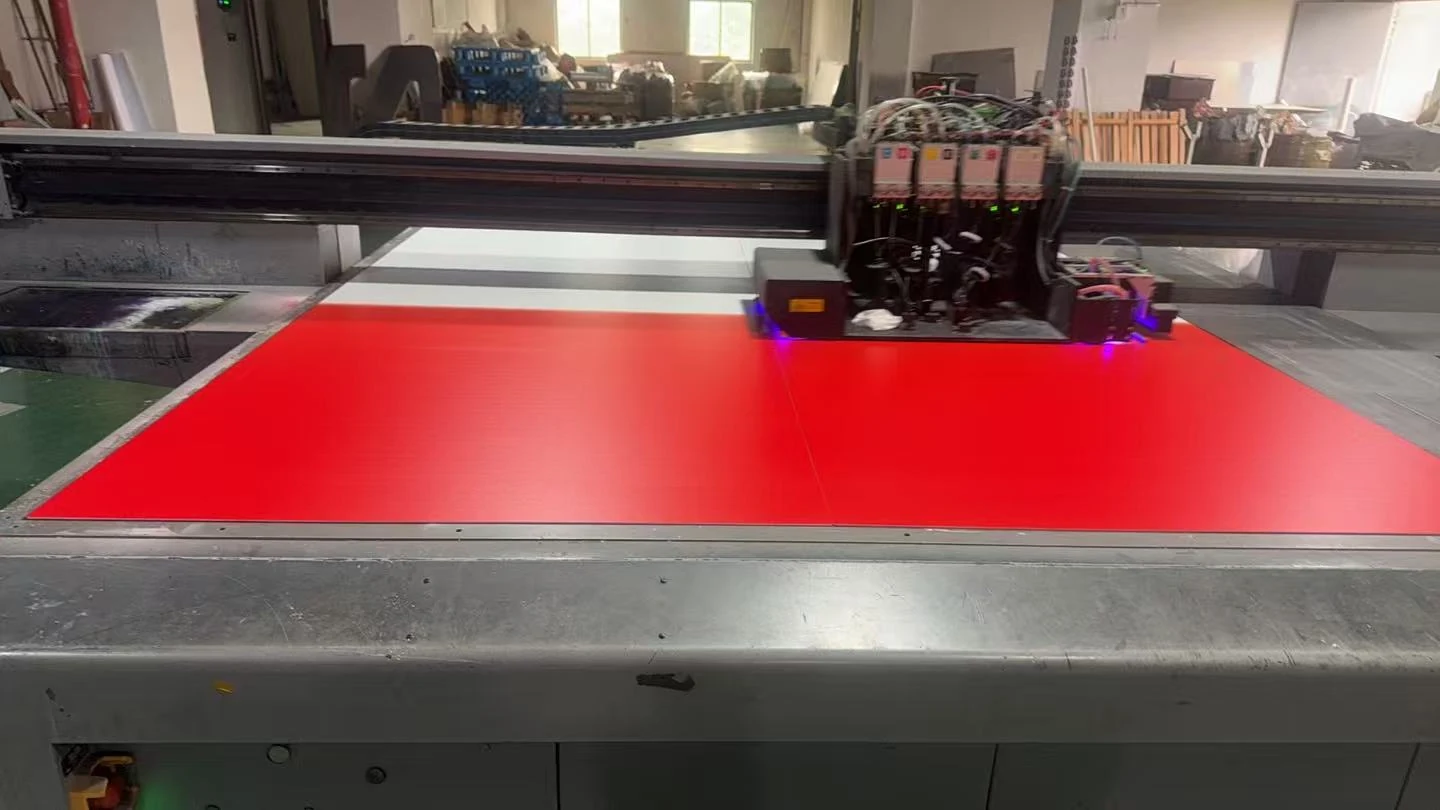
UV Printing & Graphics
UV printing adds project-specific graphics, color and branding directly to selected acrylic and display surfaces.
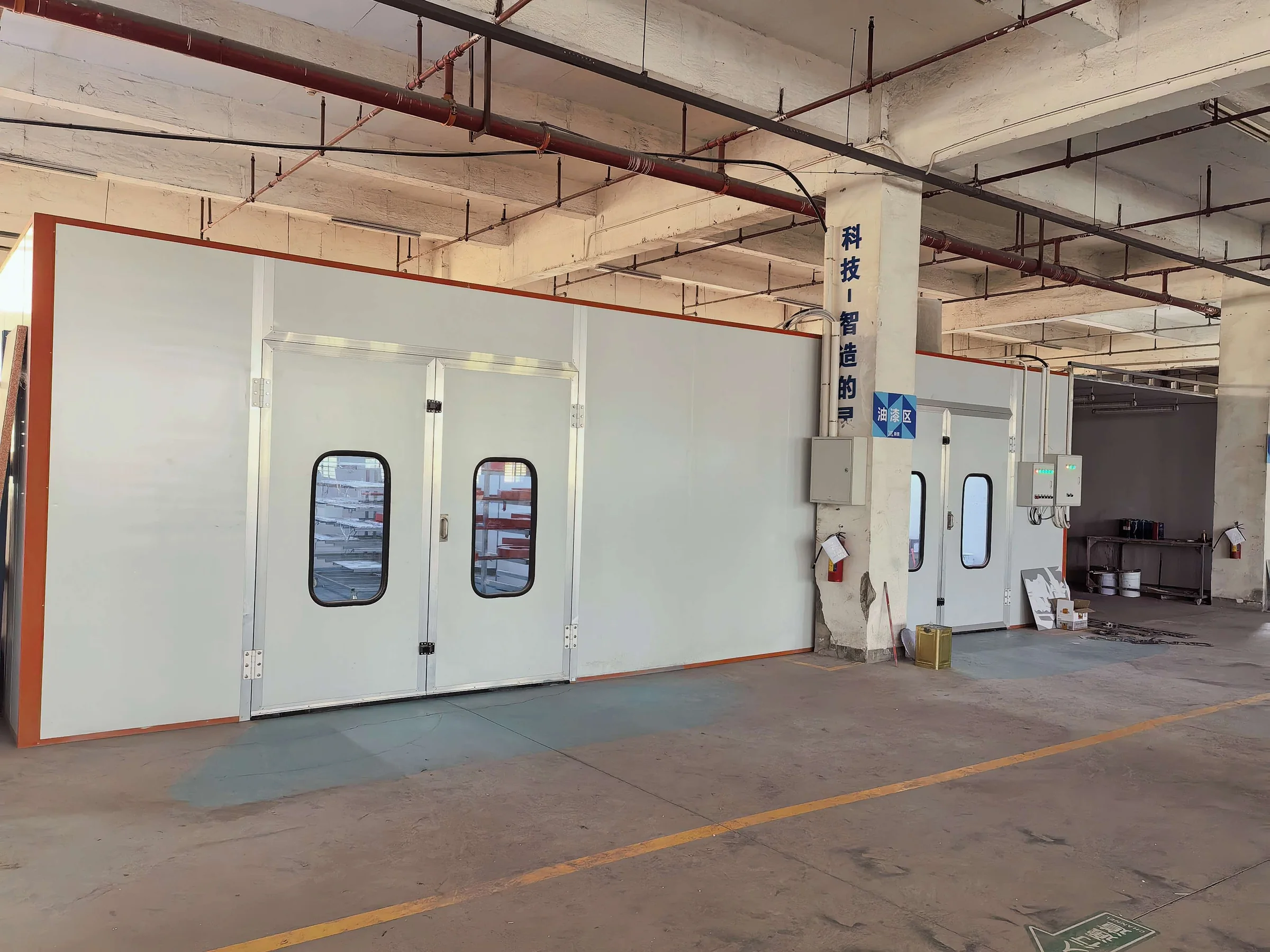
Spray Finishing
Selected display and signage components can require project-specific surface finishing.
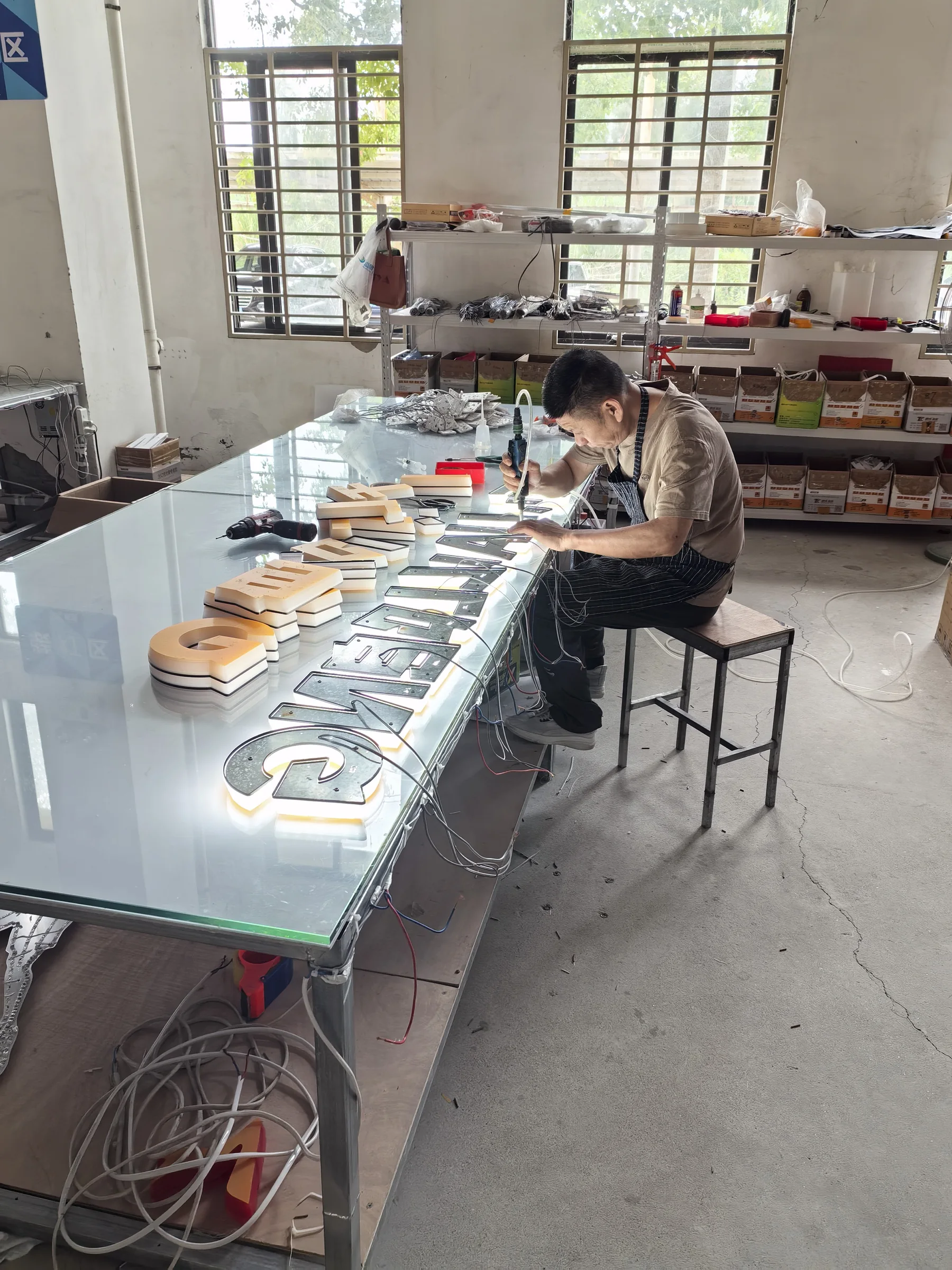
Manual Fitting & Assembly
Components are aligned, fitted and assembled according to the approved product construction.
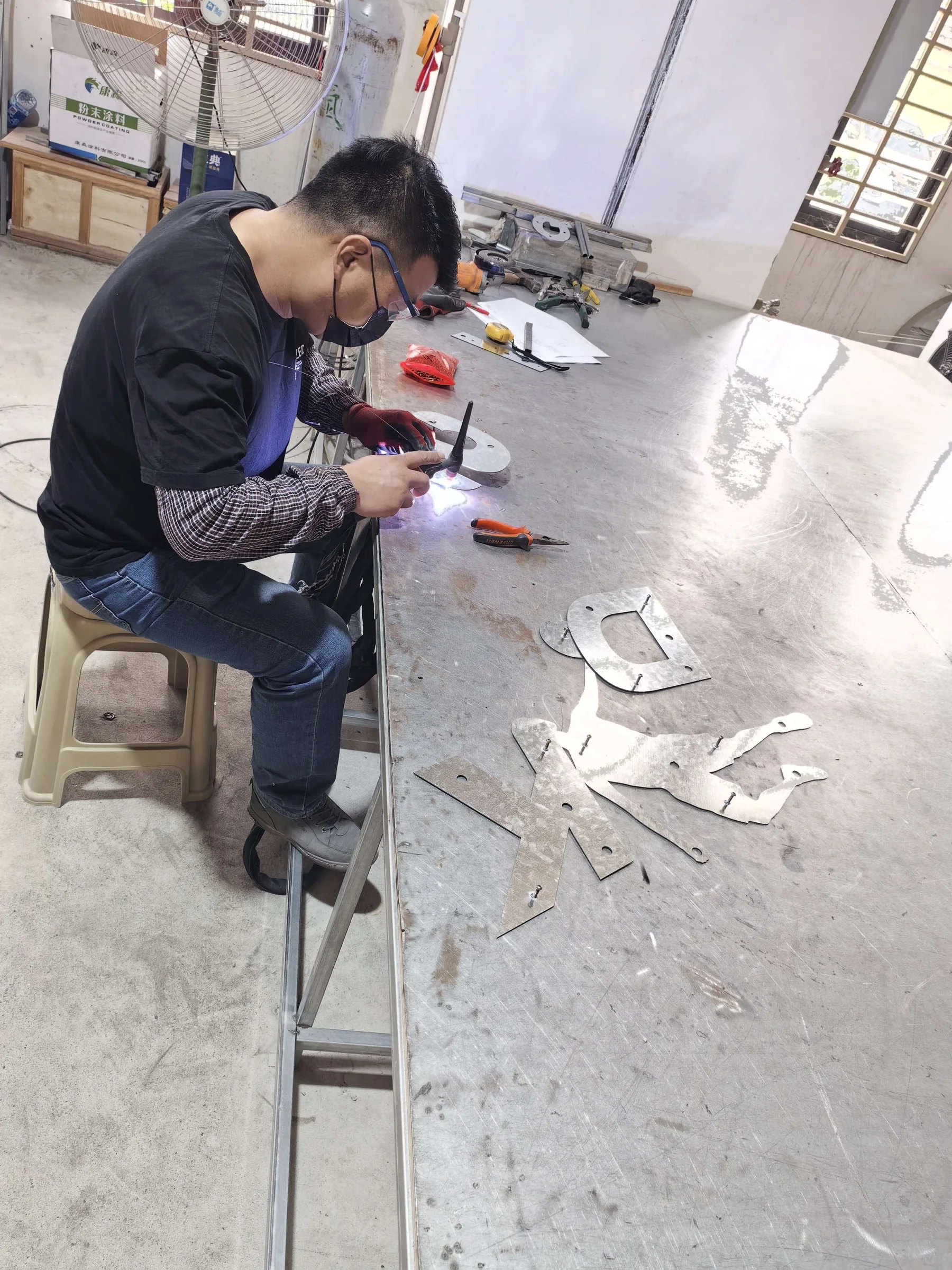
Lighting Integration
LED components can be integrated into illuminated signage and selected custom display assemblies.
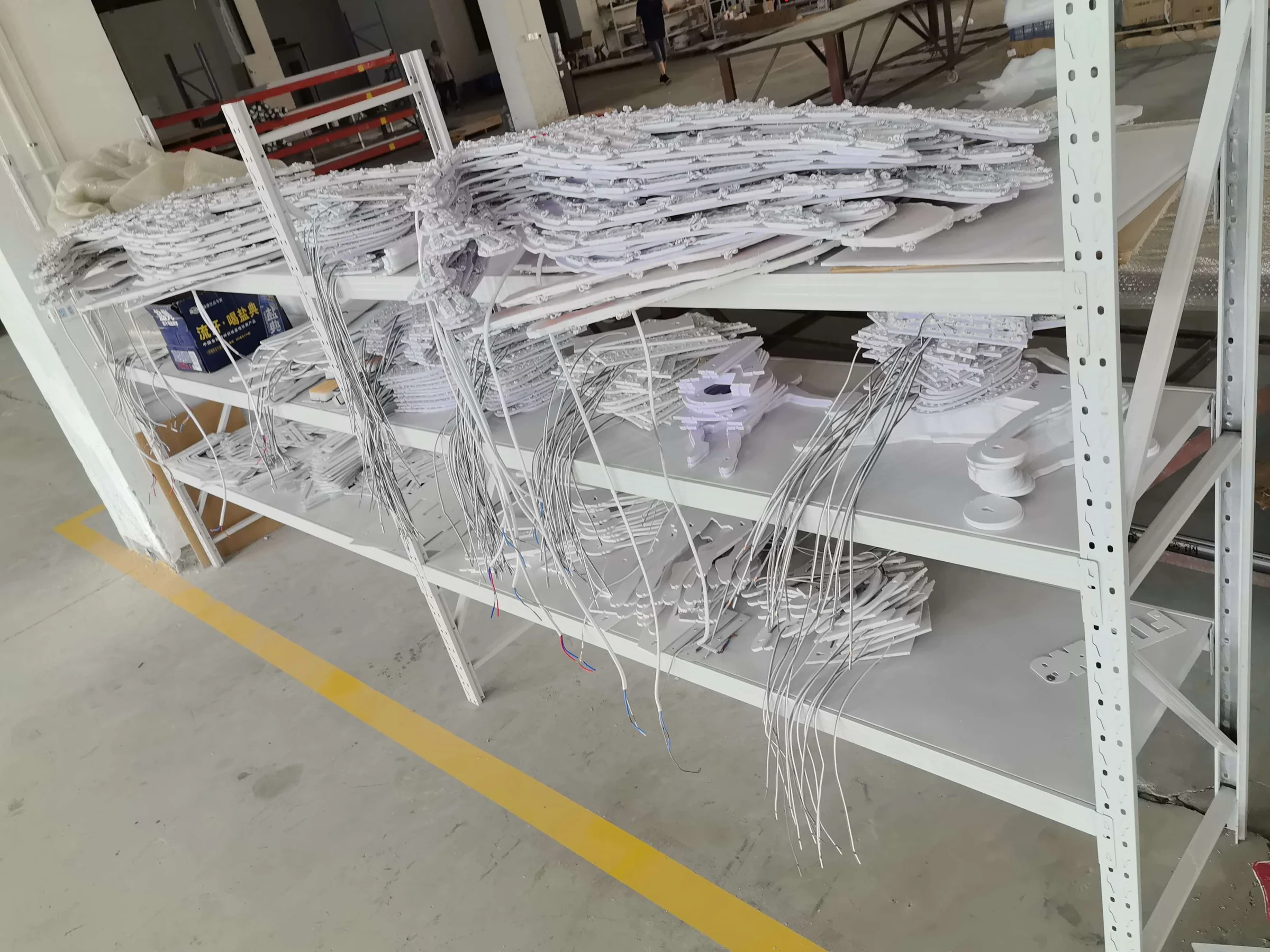
Repeat Assembly
Approved product requirements are carried into repeat production and assembly across the batch.
Repeat Production Needs More Than Capable Machines
Once a product moves from development into repeat production, the manufacturing team needs a clear reference for what is being made and checkpoints that help keep the batch aligned with it.
Explore Quality ControlApproved Production Reference
The confirmed drawing, specification and Golden Sample where applicable establish the production target.
First Article Verification
Key product requirements can be checked at the beginning of production before the full run continues.
In-Process Check
Relevant dimensions, appearance and assembly requirements can be checked during production at appropriate stages.
Final Inspection
Finished products are reviewed against relevant project requirements before protective packing.
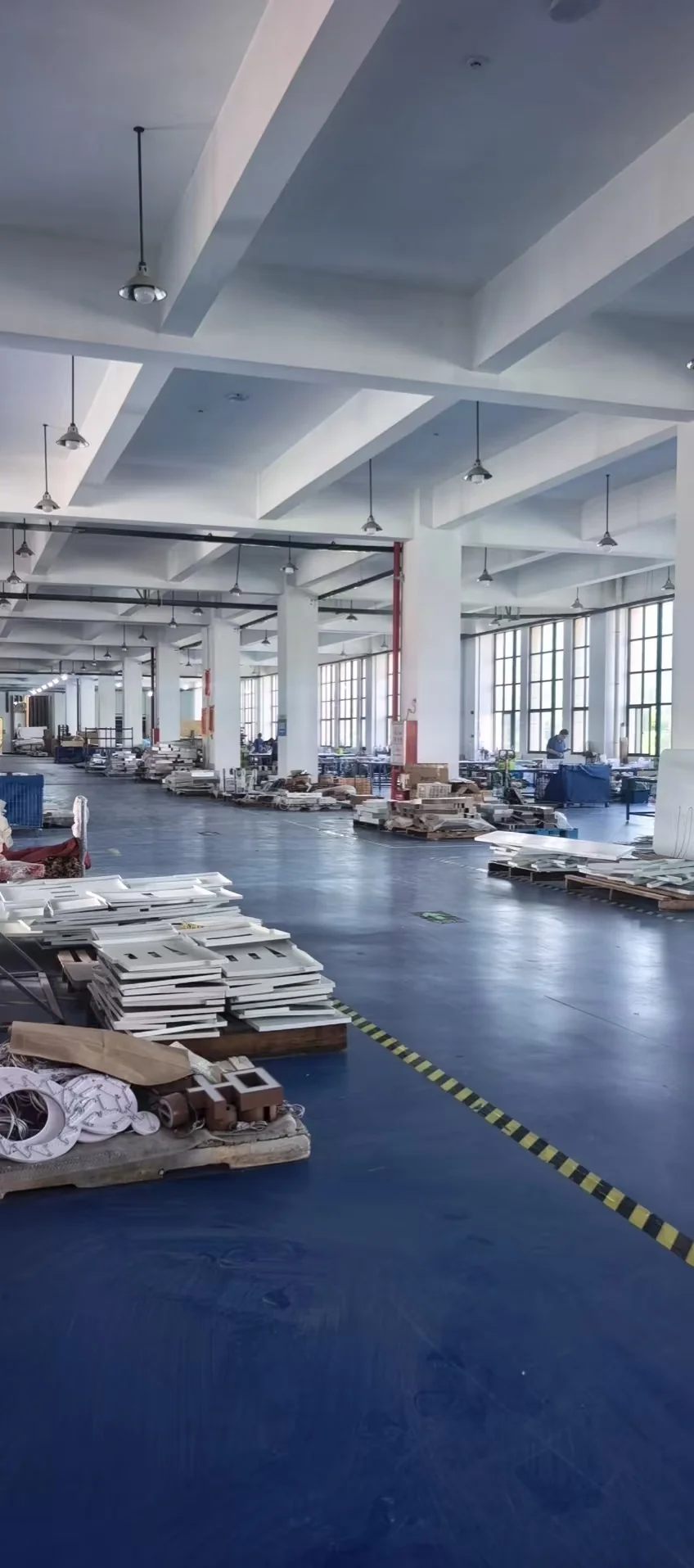
Production Supported by a 5,600 m² Manufacturing Base
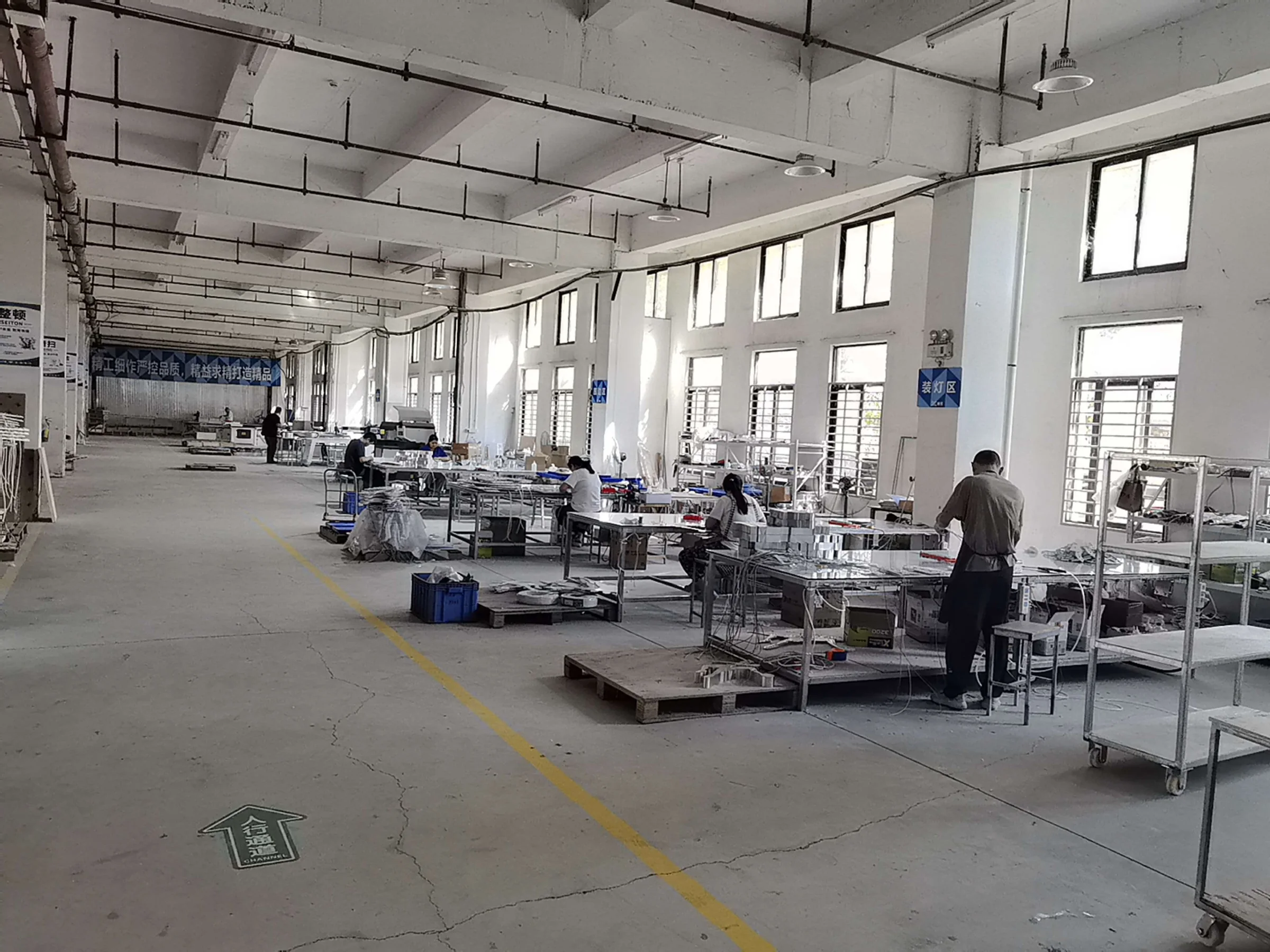
Our Quanzhou manufacturing base supports custom acrylic fabrication, display production, illuminated products and related assembly work for B2B projects.
The production setup combines fabrication equipment with technical drawing, manual finishing, assembly and project coordination around custom manufacturing requirements.
Manufacturing Is One Part of the Project Route
Engineering, prototype approval, fabrication, quality control and packaging work together to move a custom display from project definition into repeat production and delivery.
Have a Custom Display Ready for Manufacturing Review?
Send your drawing, approved sample, reference product or concept. We can review the product requirements and determine the practical manufacturing route from fabrication through assembly.